




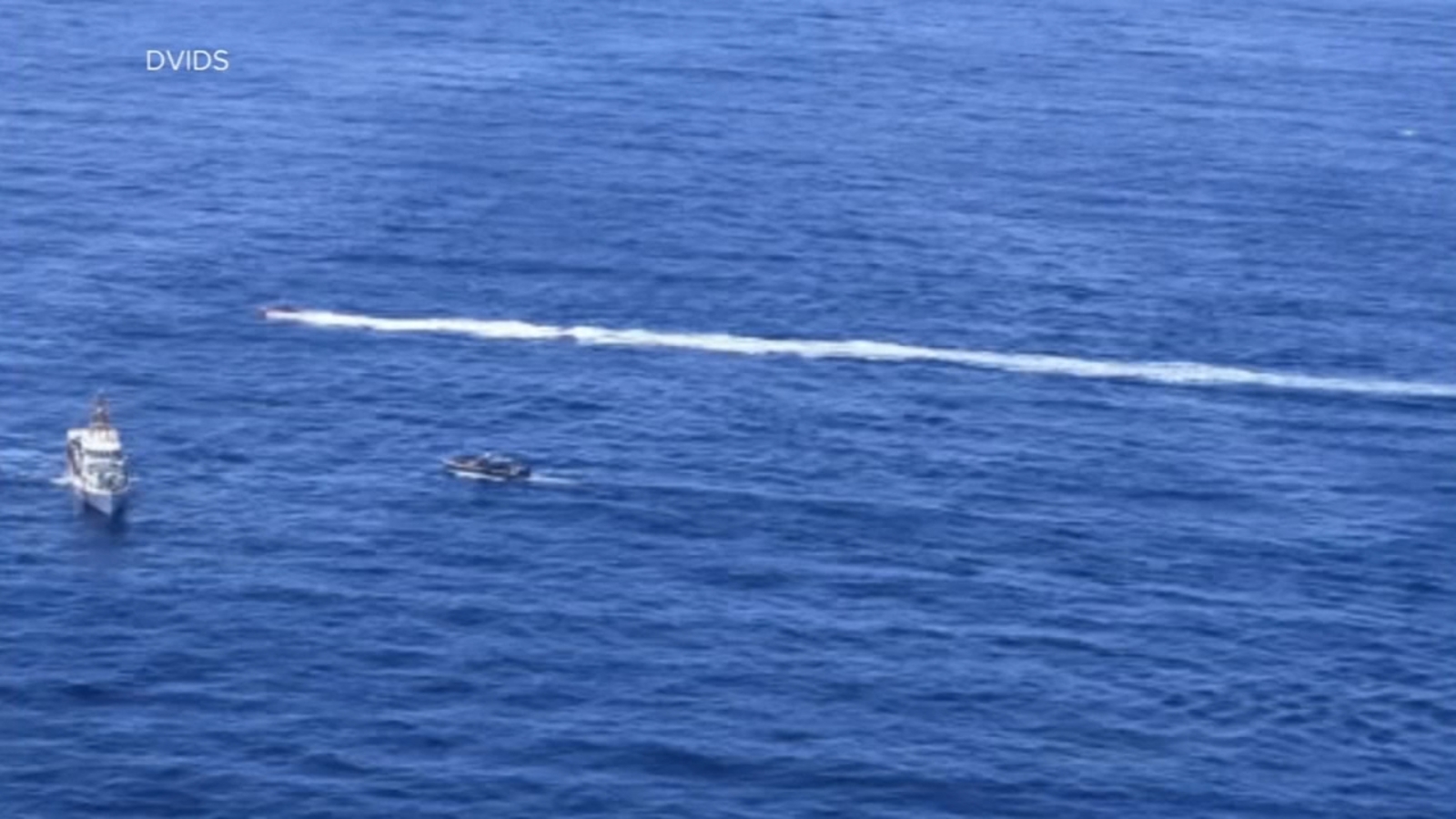
The U.S. Coast Guard reported on Tuesday that 49 individuals were rescued while 10 others remain missing after a boat carrying migrants capsized in waters west of Puerto Rico. The incident occurred late Sunday near Mona Island, involving a vessel that was carrying a total of 62 passengers.
Details of the Incident
Reports indicate that the situation escalated when one passenger allegedly attacked others with a machete, leading to serious injuries and causing panic that forced many to jump into the ocean. At least three bodies have been recovered thus far. U.S. Coast Guard spokesperson Ricardo Castrodad stated the majority of those onboard were migrants from the Dominican Republic, while two individuals are believed to be from Haiti. The motive behind the attack has not been determined.
Castrodad emphasized that the number of casualties could have been significantly higher if a vessel passing through the area on Monday afternoon had not reported the incident and assisted in the rescue of four individuals. “Everyone could have easily died,” he remarked.
Rescue operations continued on Tuesday, with helicopters searching areas surrounding Mona Island for the missing individuals. Coast Guard footage depicted at least two survivors, dressed in life jackets, walking along the rocky shoreline, with one attempting to swim towards a rescuer amid choppy conditions.
This incident highlights the ongoing perilous journeys that migrants undertake while crossing the Mona Passage, which separates Puerto Rico from Hispaniola, home to both Haiti and the Dominican Republic. Many migrants continue to flee conditions of poverty and violence in their home countries, often risking their lives in precarious vessels. A similar tragedy occurred in June 2022 when 11 Haitian girls and women died after their overloaded boat capsized in nearby waters.
Why It Matters
This recent boat capsizing underscores the dangerous circumstances faced by migrants in search of a better life, as well as the urgent need for improved safety measures and interventions in the region to prevent such tragedies in the future. The ongoing challenges that drive individuals to undertake these risky voyages remain a critical issue for authorities and humanitarian organizations alike.
