




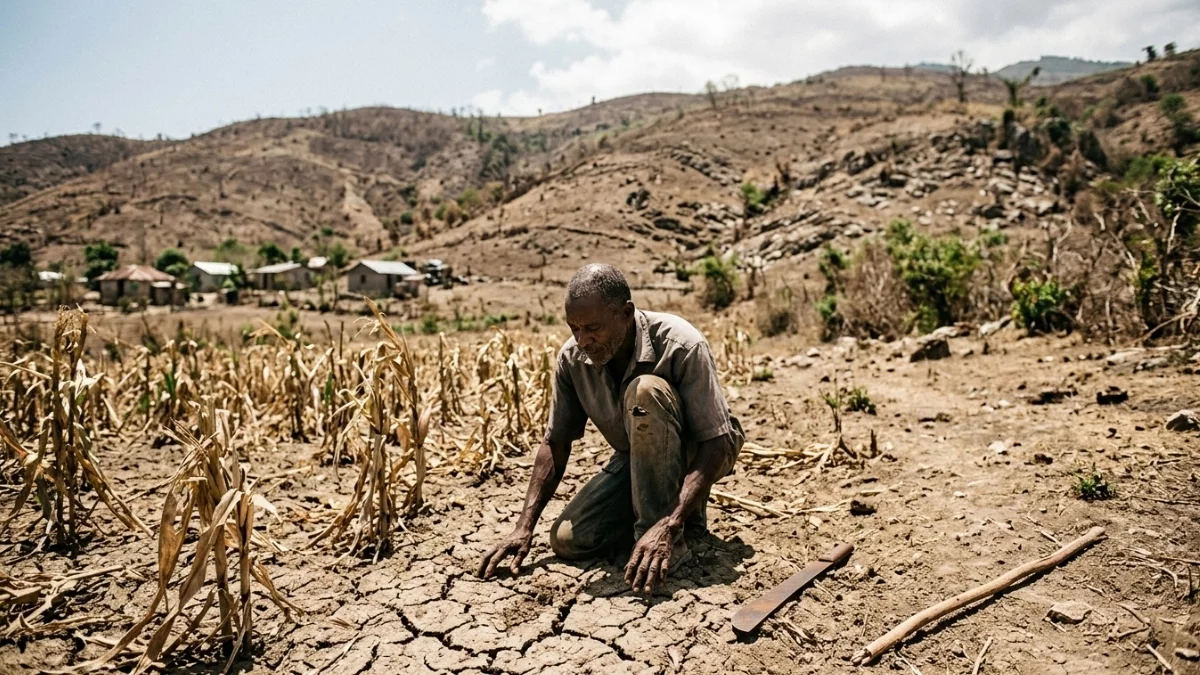
Haiti Faces Significant Agricultural Crisis
On September 5, 2026, reports indicated that Haiti is encountering a severe agricultural crisis characterized by a dramatic decline in domestic food production. The situation is attributed to a combination of issues, including governance challenges, environmental degradation, insufficient technical support, and increasing dependency on food imports.
Currently, over 60% of the food consumed in Haiti is imported, which jeopardizes the nation’s food sovereignty. Domestic agricultural output has dwindled due to widespread insecurity, the impacts of climate change, low public investment, inadequate infrastructure, and ineffective governance. This decline in self-sufficiency is leaving the country heavily reliant on international markets to satisfy its food needs.
The livestock sector is particularly affected, suffering from a range of problems such as inadequate infrastructure, limited veterinary services, and challenges in accessing markets. The decline in livestock populations, which serve as a vital economic resource for many rural families, is alarming. Livestock often function as a form of savings, affording families the means to finance education and healthcare, yet their diminishing numbers further threaten household livelihoods and diminish the availability of locally sourced animal protein.
Coupled with livestock difficulties, limited access to essential water resources is straining agricultural productivity. Rural areas frequently experience water scarcity, which hampers irrigation practices necessary for effective crop growth.
Additionally, the absence of technical assistance is limiting the capabilities of smallholder farmers. Many lack the support and training needed to enhance their farming methods, which restricts their productivity and ability to adopt sustainable practices.
Insecurity remains a pervasive issue, often exacerbated by the presence of armed groups and criminal activities that threaten agricultural activities. Farmers are increasingly reluctant to invest in their crops due to safety concerns, which jeopardizes production and market access. This insecurity complicates the procurement of vital resources such as seeds and fertilizers, while also stunting potential collaborative efforts among farmers.
Environmental challenges further compound these struggles. Deforestation, soil erosion, and water pollution have severely compromised soil fertility, worsening the agricultural landscape. The country’s environmental management failures contribute to the vulnerability of its farming communities to climate-related changes.
To address these challenges, recommendations have been put forth by agriculture and development organizations. Key strategies include enhancing governance within agricultural ministries, establishing a National Sentinel Commission for stakeholder engagement, improving irrigation systems, supporting rural women in agriculture, and promoting sustainable farming practices. Additionally, awareness and education initiatives around food security and environmental stewardship are emphasized as essential actions moving forward.
Why It Matters: The collapse of agriculture in Haiti poses a critical threat to food security, economic stability, and the overall well-being of its population. Effective interventions are urgently needed to stabilize the agricultural sector and ensure sustainable development for the future.
