




Following the termination of temporary protected status (TPS) for Haitian migrants, immigration officials have announced the arrest of 380 individuals in Springfield, Ohio. This announcement was made by Homeland Security Secretary Markwayne Mullin on Friday, highlighting the implications of the policy change implemented by the previous administration.
Details of the Arrest and Community Impact
Temporary protected status is a program that allows foreign nationals to remain in the U.S. when their home countries experience unsafe conditions. TPS was initially granted to Haitian nationals after the devastating earthquake over 15 years ago. The Trump administration officially ended TPS for Haitians in late July 2024, offering individuals a $3,000 incentive to voluntarily return to Haiti.
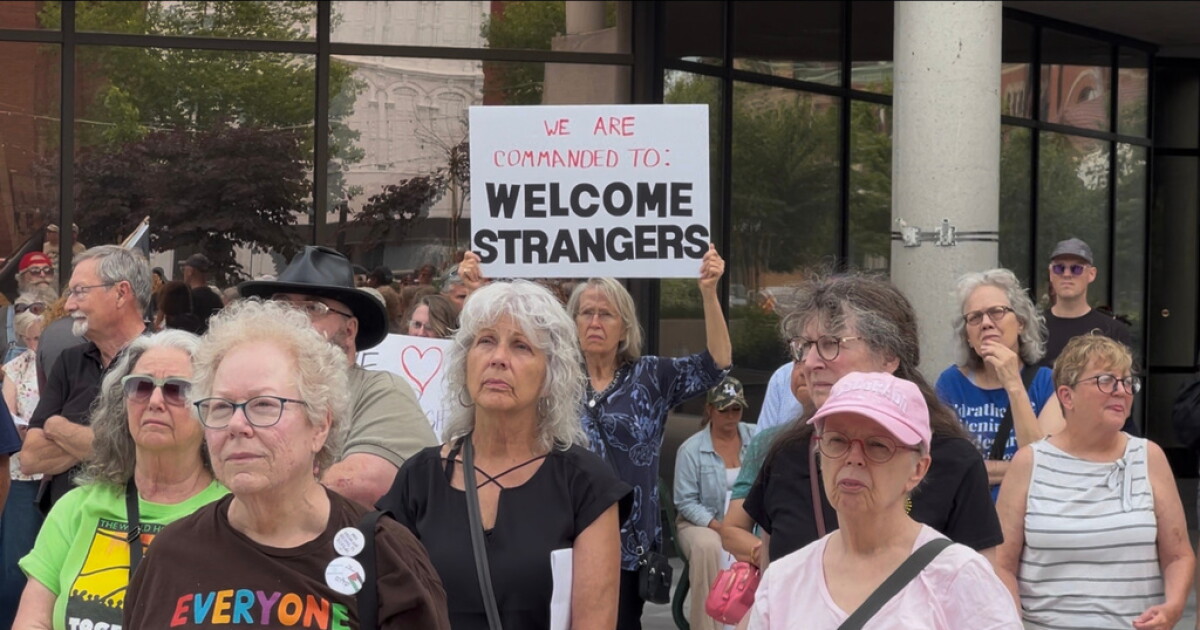
City officials in Springfield estimate that at least 15,000 Haitian immigrants have settled in the area, contributing to the community’s demographic landscape. The recent arrests follow heightened visibility of the local Haitian community, marked by controversial statements made by political figures in the past.
Advocates express concern that conditions in Haiti remain perilous, with ongoing violence and instability. The Federal Aviation Administration has continued to prohibit U.S. airlines from conducting flights to Haiti, while the State Department has issued a Level 4 “Do Not Travel” advisory for the nation.
The issue came into sharper focus this week after the death of Pierre Damas Bel, a college freshman who was tragically struck by a vehicle on Interstate 70. Damas Bel, who had been fitted with an ankle monitor by Immigration and Customs Enforcement (ICE), was not in custody at the time of the incident. Mullin commented on the unfortunate circumstances of Damas Bel’s passing but stated that ICE was “not responsible” for his death.
Damas Bel had recently decided to attend Wright State University after opting out of Wittenberg University due to restrictions posed by the ankle monitor. The university’s men’s soccer program noted that the monitor precluded his ability to participate in preseason training.
Despite the outcry following Damas Bel’s death, Mullin emphasized that DHS has no plans to reconsider its policies regarding ankle monitors, arguing that they are necessary for tracking individuals to ensure compliance with court dates.
As Springfield navigates the complexities surrounding immigration enforcement and community well-being, the situation underscores the broader implications of immigration policy changes on vulnerable populations.
Why It Matters
The recent arrests and the death of a young migrant raise significant questions regarding immigration enforcement practices and the impact of policy changes on immigrant communities. As conditions in Haiti remain critical, the decisions made by officials reflect broader conversations about the status and treatment of Haitian nationals in the United States. Balancing national security concerns with humanitarian considerations remains a central challenge for policymakers.
