




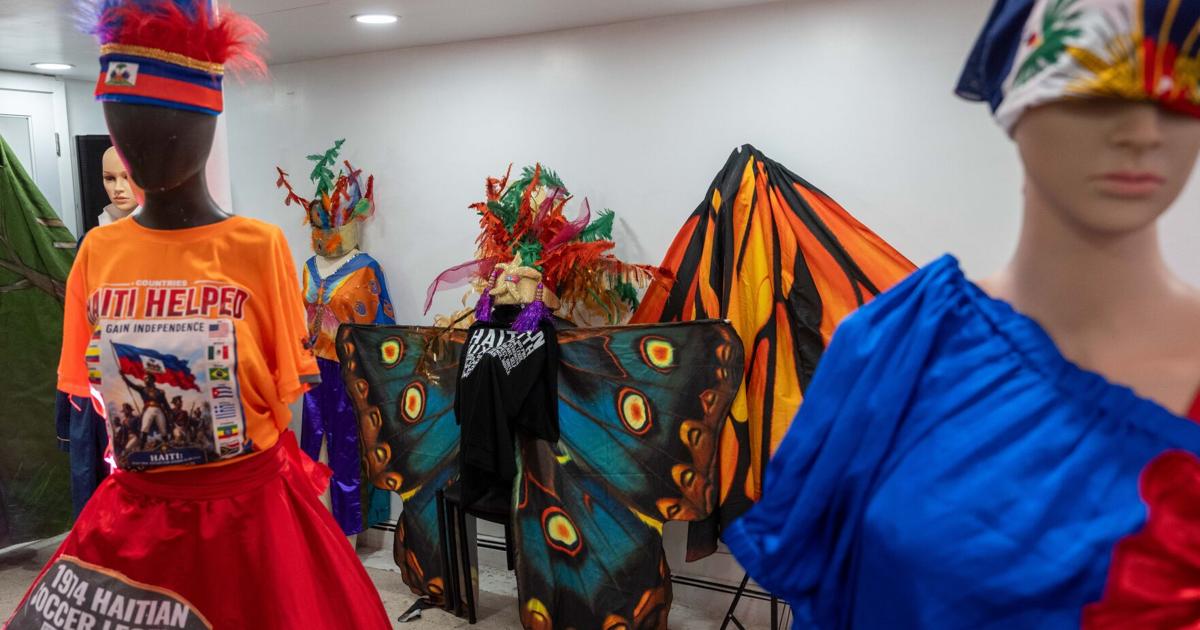
New York’s West Indian Day Parade took place on Brooklyn’s Eastern Parkway on Monday, attracting hundreds of thousands of attendees amidst vibrant displays of Caribbean culture. This annual celebration featured steel drums, floats adorned with flags, and the aroma of traditional Caribbean foods, such as jerk chicken. However, participants from the Haitian community approached the event with a more serious outlook this year.
Haitians Face Increased Challenges
The parade, which is one of the largest celebrations of Caribbean culture in the United States, saw Haitians marching under the shadow of intensified federal immigration enforcement. Over the past year, the U.S. government has heightened its focus on Caribbean and other Black immigrant communities, leading to increased apprehensions and detentions.
Significantly, many Haitians have recently lost access to Temporary Protected Status (TPS), a designation allowing hundreds of thousands of individuals to reside legally in the United States. The end of this protection has raised concerns among community members regarding their immigration status and future in the country.
As the parade unfolded, attendees celebrated their heritage while grappling with these pressing challenges. Many expressed a determination to keep their culture alive and highlighted the importance of community solidarity during difficult times. The event not only showcased artistic performances and traditional customs but also served as a platform for raising awareness about the struggles faced by the Haitian community.
Local leaders and participants emphasized the need for resilience and unity among Haitian Americans, who, despite the challenges posed by changing immigration policies, remain committed to honoring their heritage and advocating for their rights.
The West Indian Day Parade serves not only as a celebration of culture but also as a reminder of the ongoing struggles and the importance of community support in times of adversity.
Why It Matters
This year’s West Indian Day Parade highlights the intersection of cultural celebration and the pressing issues facing immigrant communities. As federal immigration enforcement measures become more aggressive, the event underscores the importance of unity and resilience within the Haitian community, as well as the broader implications for all immigrant groups facing similar challenges.
