




More than a month after the end of Temporary Protected Status (TPS) for Haitian immigrants, immigration enforcement has noticeably increased in Springfield, Ohio. Since the policy change, the Department of Homeland Security has reported at least 380 arrests in the city, raising concerns among the local Haitian community.
Local authorities have indicated that immigration agents have been actively apprehending individuals at various locations, including gas stations and residences. Many Haitian residents have been required to report to the Immigration and Customs Enforcement (ICE) office, where they undergo interviews and, in many cases, leave with ankle monitors attached to their legs. This new reality has prompted feelings of shame and fear among the affected individuals, with many expressing reluctance to leave their homes.
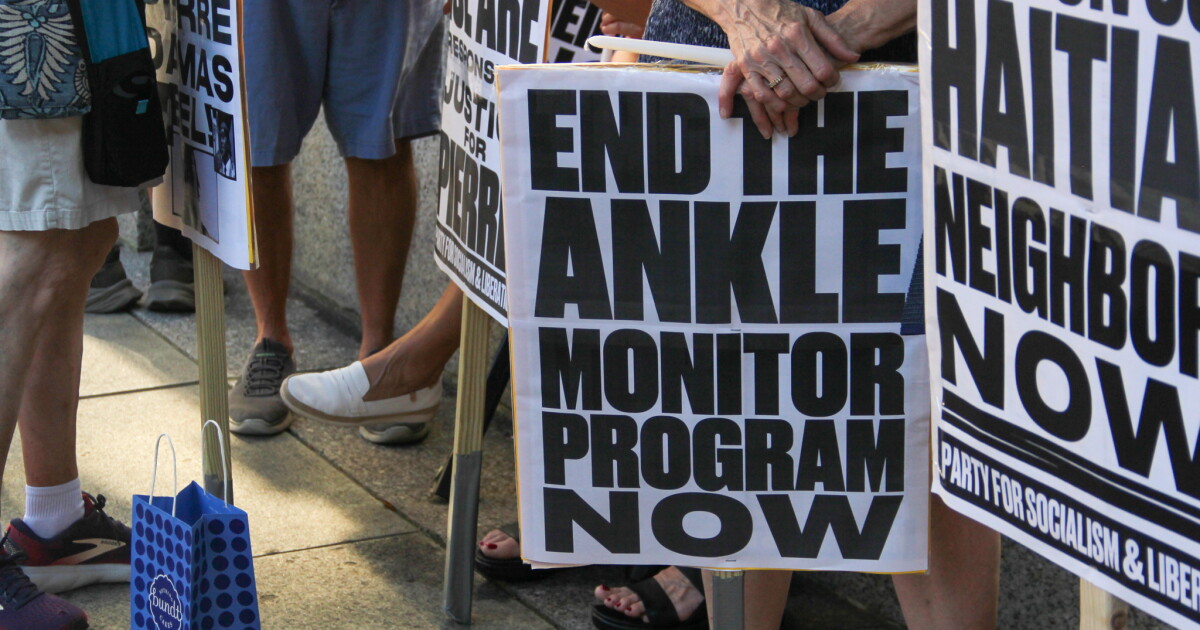
In response to the heightened enforcement actions, a campaign titled “Unshackle Springfield” has emerged, spearheaded by local nonprofits and community leaders. Activists aim to raise awareness about the challenges Haitian immigrants are facing and call for an end to the use of ankle monitors.
The situation has been further complicated by the recent suicide of a local 20-year-old Haitian resident, Pierre Damas Bel, who was reportedly under the stress of wearing an ankle monitor. Damas, a promising neuroscience student at Wright State University, had expressed his emotional distress regarding the monitor, equating it to being treated like a criminal. His death has triggered discussions around the mental health implications of such immigration practices.
The Department of Homeland Security stated that monitoring individuals with ankle devices is a choice between wearing the monitor or facing detention. However, many advocates argue that this choice is not genuinely viable for those impacted. They contend that the heavy scrutiny and public stigma associated with ankle monitoring exacerbate the emotional toll on individuals suffering from anxiety and depression.
As the local community rallies to support immigrants, vigils have been organized across Ohio, calling for a reevaluation of ICE policies and for the DHS to honor the legal processes of those seeking asylum or other forms of legal status. However, many express frustration over the limited legal options available for Haitians since the conclusion of TPS.
Looking ahead, community leaders indicate a commitment to continue advocacy efforts. Meanwhile, the DHS maintains that its enforcement operations will persist in Springfield and beyond, affecting the lives of countless immigrants.
Why It Matters
The ramp-up of immigration enforcement in Springfield highlights ongoing tensions surrounding immigration policies in the U.S. The impact on mental health and community cohesion speaks to broader concerns about the treatment of immigrant populations, raising critical questions about policy, empathy, and support systems during a challenging time.
