




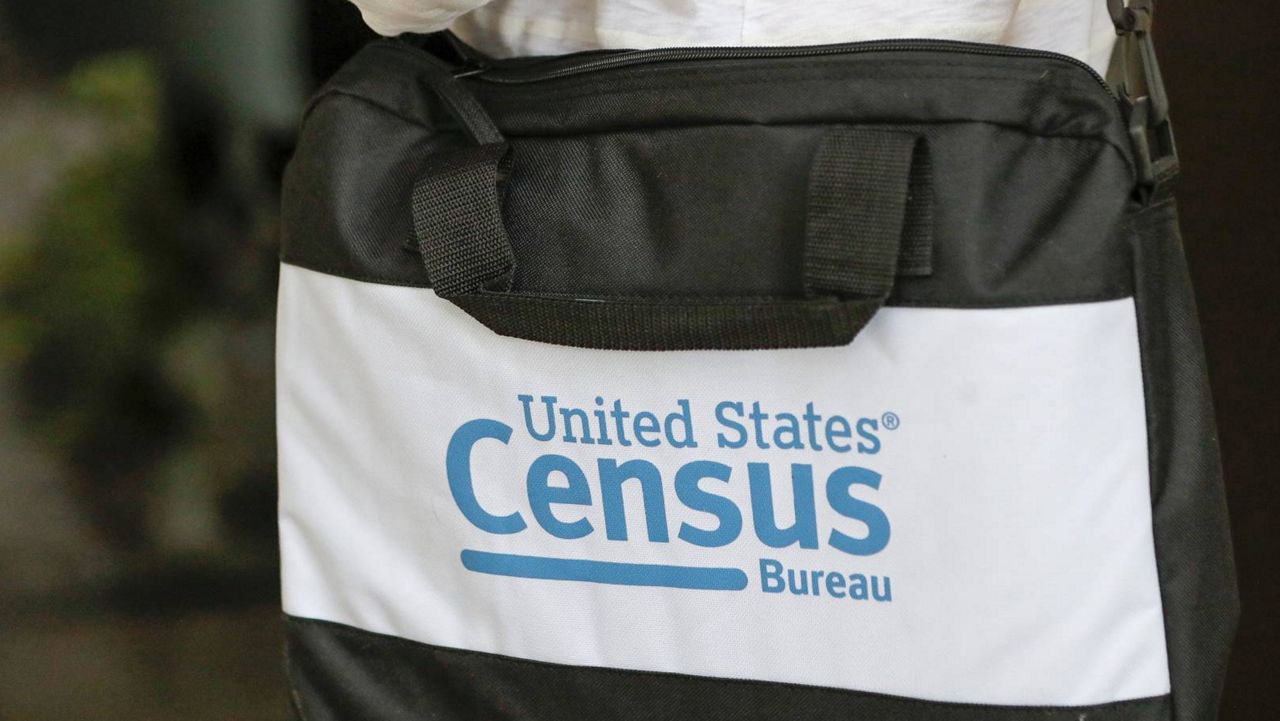
The Trump administration has proposed significant changes to the U.S. census counting rules, with a limited timeframe for public comment. The proposed modifications could dramatically alter how certain populations are recognized in the 2030 census.
Proposed Changes to Census Counting Rules
The first of the two major changes suggests excluding immigrants without green cards from the census count. This proposal impacts not just those who are undocumented but also includes students, individuals with work permits, and others under temporary protected status, including refugees and asylum seekers. The administration contends that such individuals should not be classified as “true inhabitants.”
Ernesto Castañeda, director of the Center for Latin American and Latino Studies, expressed concern over the implications of this proposal. He emphasized that it would disenfranchise many individuals who, despite being in the country legally, would be excluded from the count. According to Castañeda, this could result in significant oversight of populations who contribute to society and have U.S. citizen children.
The impact of this change could be profound, as census data is critical for determining congressional representation and allocating federal funds to local communities for essential services such as education and infrastructure. James Carter, president of the National Bar Association, highlighted that millions who were accounted for in the 2020 census could be omitted in 2030, leading to resource distribution implications amounting to hundreds of billions of dollars.
The second proposed change involves the elimination of questions regarding race and ethnicity in the census. The administration argues for a “colorblind” census, positing that demographic information should not be considered. However, advocacy groups such as the Black Futures Lab challenge this notion. Kristin Powell, the executive director of the organization, noted that understanding race and ethnicity is vital for identifying areas where discrimination may occur.
Powell pointed out that the consequences of these changes would extend beyond communities with large Latino populations, affecting households across various ethnic backgrounds, including Black and Asian communities. She warned that such modifications would not just influence one demographic but would have ramifications for all communities.
Legal challenges to these proposed changes are anticipated, and congressional approval would likely be necessary for implementation. Carter asserted that the Constitution mandates the census to encompass all individuals residing in a state, regardless of their legal status.
The U.S. Census Bureau, part of the Commerce Department, has not issued a comment addressing the concerns surrounding these proposed alterations.
Why It Matters
The potential changes to the census counting rules could reshape political representation and significantly affect funding allocation for vital community resources across the United States. As these proposals are reviewed, their implications for various populations and the broader societal context are poised to spark important discussions regarding representation and inclusivity.
