




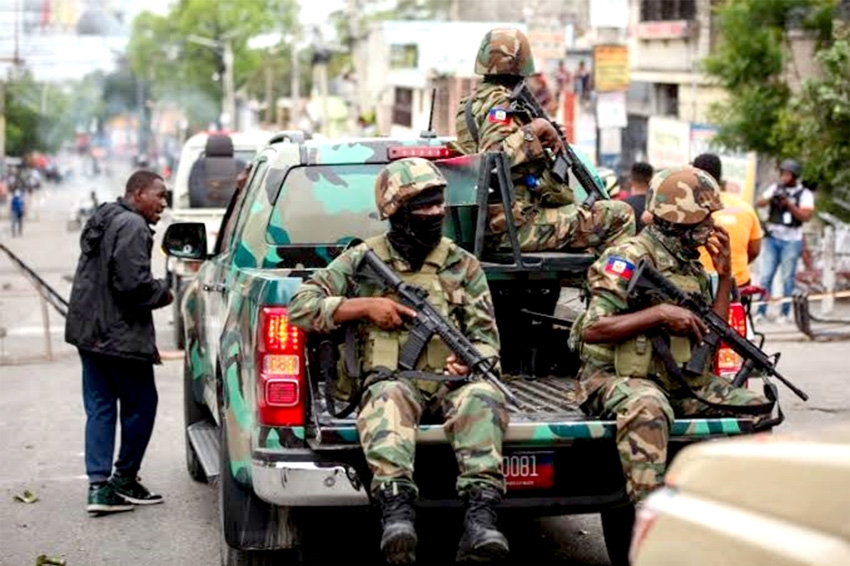
Haiti is on the brink of a significant electoral moment as the government prepares for presidential and legislative elections amid rising gang violence. The elections, scheduled for December 13, 2026, would mark the first national vote since 2016, following a prolonged period without an elected government. However, persistent insecurity and weak governmental structures pose serious challenges to the electoral process.
Prime Minister Alix Didier Fils-Aimé emphasized the need for elections to conclude the current political transition, allowing Haitian citizens to select their leaders. The transitional government, formed after the assassination of President Jovenel Moïse in July 2021, is now responsible for overseeing the electoral process following the dissolution of the Transitional Presidential Council in February.
Despite these preparations, a severe security crisis has hampered progress. Armed gangs have gained control over significant areas, particularly in Port-au-Prince, limiting transportation and access to essential services. This violence has resulted in the displacement of over 1.4 million individuals, complicating the ability to register voters and conduct campaigns safely. The Caribbean Community (CARICOM) reported slow progress in voter registration, citing insecurity as a major barrier.
Political parties are reportedly making attempts to prepare for the elections, although concerns persist regarding the logistical capacity to conduct voting in insecure regions. CARICOM observers noted the need for a secure environment to facilitate voter registration and campaigning, which are crucial for ensuring citizen participation in the upcoming elections.
To address the security situation, international assistance has been mobilized. The Haitian National Police is receiving support while a multinational Gang Suppression Force authorized by the United Nations has begun operations to help stabilize the area. However, challenges remain in achieving the desired operational strength for this force. Recent tragic events, including a gang-related attack that resulted in multiple fatalities, highlight the urgency of addressing the public safety crisis.
Haiti is also facing a humanitarian emergency, exacerbated by violence that has disrupted economic activity and access to health services and education. Reports suggest that nearly 200,000 individuals were forcibly returned to Haiti within the first eight months of 2026, further straining the country’s tenuous situation.
While the government has initiated voter registration efforts and is training police officers in preparation for the elections, the overall situation remains precarious. Any advancements toward successful elections will depend heavily on improvements in security and institutional stability. Observers have cautioned that circumstances must be suitable not only for voting but also for establishing a functioning government afterward.
Why It Matters
Haiti’s upcoming elections represent a critical opportunity to overcome years of political uncertainty and instability. The effectiveness of these elections will not only impact immediate governance but also reflect broader challenges related to security and humanitarian conditions in the country. How the government and international community address these issues will be pivotal in shaping Haiti’s future trajectory.
