




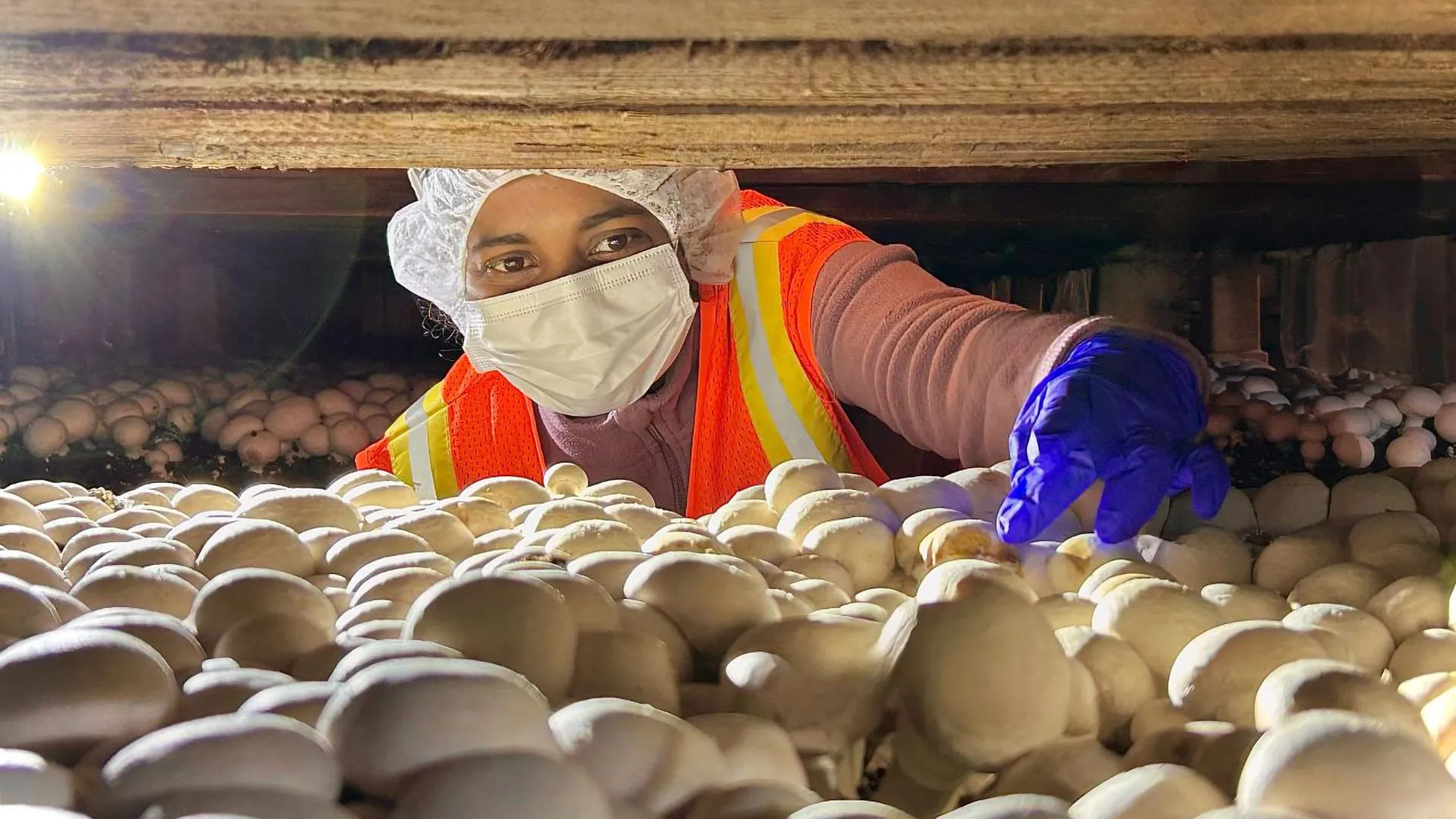
A long-standing disease affecting white button mushroom growers for over a century is proving to be more complex than previously understood, according to new research from the University of Florida. The study identifies a diverse array of harmful bacteria contributing to bacterial blotch, rather than a single pathogen, which may explain the difficulty in managing the disease effectively.
Bacterial blotch leads to brown or yellow discoloration on mushrooms, diminishing their marketability and causing substantial financial losses for producers. This persistent disease can also reduce crop yields and shorten the shelf life of affected mushrooms, presenting ongoing challenges for farms across the United States. Symptoms often do not become visible until after the mushrooms have been sold, complicating efforts to maintain consistent product quality.
Complexities of Bacterial Blotch
Historically, scientists linked bacterial blotch to a singular harmful bacterium. However, recent findings by the University of Florida Institute of Food and Agricultural Sciences (UF/IFAS) reveal that the disease involves a complex network of pathogenic bacteria. These microorganisms thrive in the humid environments typical of commercial mushroom cultivation, making it difficult for producers to manage the disease with treatments aimed at individual pathogens.
“For years, the industry has struggled with treatments that provide inconsistent results against bacterial blotch,” said Samuel Martins, an assistant professor in the UF/IFAS Department of Plant Pathology and a co-author of the study. “As part of a separate $7 million U.S. Department of Agriculture grant, we are developing advanced diagnostics and sustainable solutions to strengthen mushroom farms nationwide.”
To better understand bacterial blotch, researchers collected samples from production facilities throughout the southern United States. Utilizing DNA sequencing, chemical profiling, and traditional lab tests, they identified over 17 different species of pathogenic bacteria associated with the disease. While two well-established pathogens were prevalent, the analysis also uncovered a notable presence of other bacteria not previously connected to mushroom diseases.
“We discovered a more diverse group of pathogens than anticipated,” said Sameerika Mudiyanselage, the study’s lead author. This newfound complexity may explain the persistence of bacterial blotch over the years, as multiple microorganisms complicate detection and outbreak predictions, as well as the development of effective treatments.
The findings suggest that growers may require enhanced detection methods to identify an expanded range of bacterial threats. Researchers are now engaged in following up on their work, which includes exploring sustainable management strategies such as utilizing plant-based essential oils and beneficial microorganisms as alternatives to chemical treatments.
Essential oils possess antimicrobial properties, while beneficial microbes could help inhibit harmful bacteria. These approaches could provide mushroom growers with innovative tools to manage bacterial blotch and lessen their dependence on traditional chemical solutions. However, additional research is necessary to evaluate the effectiveness of these alternatives in actual growing environments.
“Ultimately, our goal is to provide growers with practical, science-based solutions that help strengthen mushroom farming systems,” Martins noted. The research broadens the understanding of bacterial blotch’s complexity, aiming to enhance disease detection, treatment reliability, and ultimately reduce losses for mushroom producers.
