




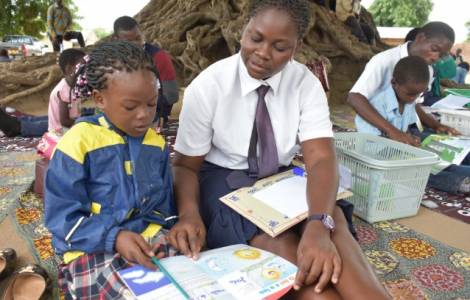
Nampula, Mozambique – Fifty years after gaining independence, Mozambique has expanded access to education significantly, particularly in rural and peri-urban regions. Despite these advancements, serious challenges persist that undermine the quality of education, according to a recent report shared with Fides News Agency.
Key issues include inadequate infrastructure, a lack of teaching materials, overcrowded classrooms, and low learning outcomes, especially in literacy. In some areas, students attend classes in makeshift facilities, including outdoor spaces, while libraries and essential educational resources remain sparse. Furthermore, the high pupil-to-teacher ratio hampers educators’ ability to give personalized attention to their students, particularly those who are vulnerable.
The situation is exacerbated by reports of corruption, favoritism, and sexual harassment linked to assessments and examinations in various educational contexts. Additionally, the rising incidence of alcohol and drug use among youth, including on school grounds, poses threats to both safety and academic performance. For instance, in Nampula, incidents associated with the consumption of alcohol, specifically maakha, have led to cases of assault.
In light of these challenges, schools are urged to refocus on their essential mission: to cultivate responsible individuals who contribute positively to society. This is where the role of Catholic teachers becomes vital. Given the failings within the education system, teachers are called to exemplify integrity, professionalism, and a sense of responsibility. Their responsibilities extend beyond education to fostering respect, duty, tolerance, solidarity, and empathy among students. Personal example plays a crucial role in this educational endeavor.
Addressing issues such as corruption and discrimination can help restore trust in schools and public institutions. Additionally, providing guidance and support to young people can mitigate violence and substance abuse.
In a country where social and educational challenges abound, Catholic educators can serve as influential figures and agents of change. Their engagement, especially in challenging environments, represents a meaningful commitment to individuals and the wider community.
Ultimately, Mozambique’s advancement will rely not only on the increased number of schools and enrolments but on the education system’s capacity to develop empowered, skilled, and responsible citizens who can help build a more just and inclusive society.
