




As the early voting period for the Texas U.S. Senate race reaches its midpoint, candidates are intensifying their efforts to mobilize voters. Democratic nominee James Talarico, a state representative, and Republican nominee Ken Paxton, Texas Attorney General, both made multiple campaign stops in North Texas last week to rally support ahead of Election Day.
The race is considered a toss-up, with recent polling indicating a closely contested battle. According to the latest RealClearPolitics polling average, Talarico holds a slight edge, leading Paxton by 1.8 percentage points. A CBS News poll reflects a similar outcome, showing Talarico at 51% and Paxton at 49%, well within the margin of error.
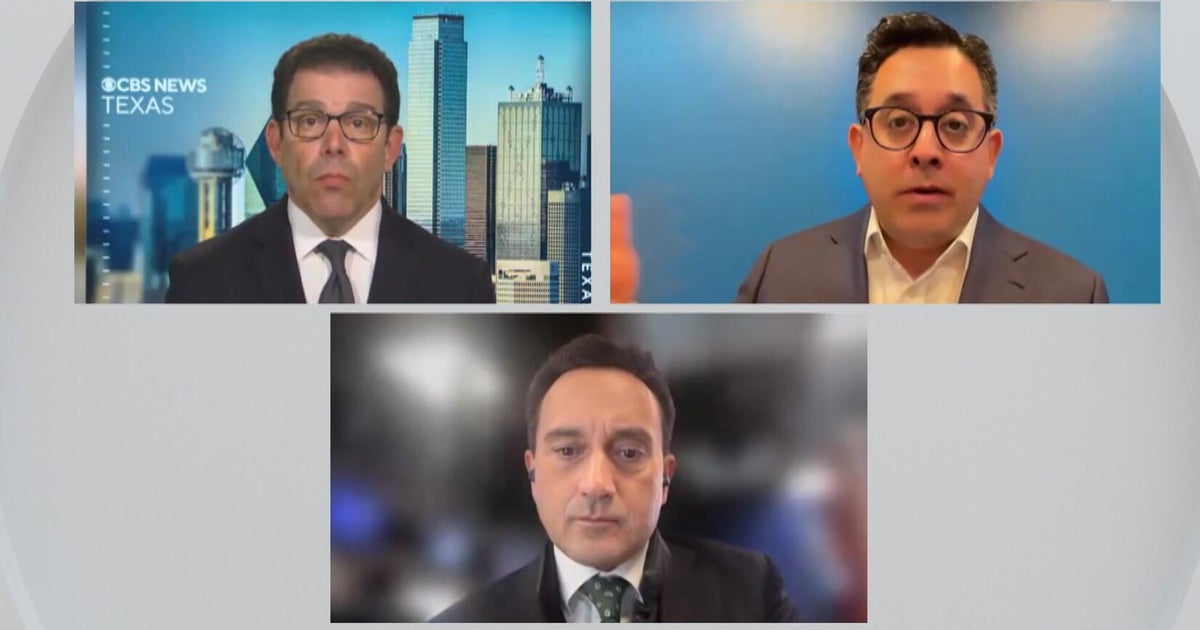
Following the release of these results, Anthony Salvanto, CBS News executive director of elections and surveys, and Ed O’Keefe, CBS News senior White House and political correspondent, discussed key insights about the race with Texas political reporter Jack Fink. Salvanto emphasized the tight nature of the race and highlighted differences in voter turnout intentions, noting that Democrats appear more enthusiastic about casting their votes than Republicans. This could benefit Talarico, but the crucial question remains whether Democrats can convert this enthusiasm into actual votes during early voting.
O’Keefe pointed out troubling signs for Talarico’s campaign, including a low willingness among Republican voters to back him—only 5% indicated they would vote for Talarico. Additionally, Talarico’s support among Black voters seems to lag behind that of Vice President Kamala Harris from two years ago, hinting at potential vulnerabilities as the race progresses.
Salvanto noted the importance of the Latino vote in this election, with current trends suggesting that Latino voters are leaning towards Talarico, even as Republicans leverage significant funding in support of Paxton. Despite over $200 million spent by Republicans on Paxton’s behalf, concerns remain about whether such advertising will effectively mobilize voters and improve his standing in the polls.
The discussion also touched on the challenges facing both candidates concerning voter sentiment about the economy. Many Texans express apprehension about rising living costs, which could influence their voting decisions. Salvanto remarked that voters facing economic hardships tend to favor Talarico, reflecting a broader national trend in electoral behavior.
As early voting continues, both campaigns are likely to ramp up their outreach efforts, hoping to sway undecided voters and solidify their bases. The outcome of this tight race will depend on voter turnout dynamics and the effectiveness of campaign strategies in the final weeks leading up to Election Day.
