




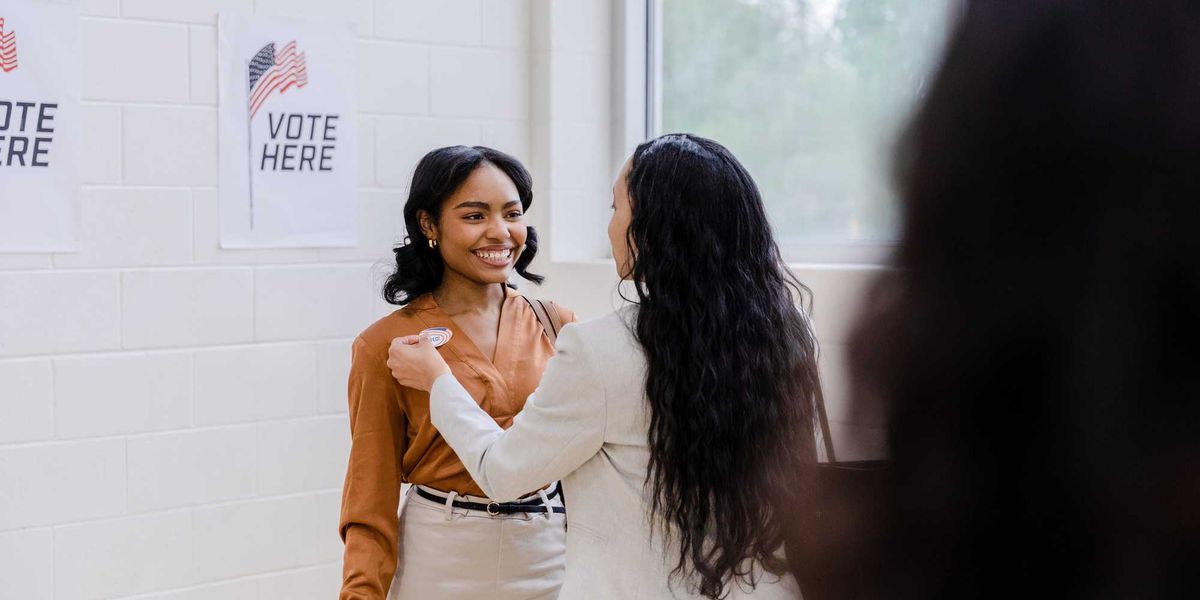
A special election in the Oakland School District on November 3 allows 16- and 17-year-olds to vote for the second time, with students eager to address pressing issues affecting their education. This follow-up election comes after the successful passage of Measure QQ in November 2020, which enabled this unique voting opportunity, making Oakland one of the first major cities in the U.S. to allow such young voters to participate in school board elections.
Students like Rossana, who expressed concerns about inadequate access to sanitary products in school restrooms, view this election as a chance to influence change. “If we don’t have educators, where do we go from there?” she stated. Many students are joining the effort to make their voices heard in the decision-making processes that affect their lives.
Alongside Rossana, another voter, Max, highlighted a need for clarity on budget issues within the district. He voiced frustration over the district’s continuously shifting financial numbers, stating, “We are not just going to sit here and let the board do what it wants.”
With around 1,900 eligible teenagers in districts 2, 4, and 6, only 722 have pre-registered to vote, with just 13 ballots returned as of October 23. This low turnout challenges organizations like Oakland Kids First, which campaigned for the voting rights of these students. The group aims to increase engagement among youth voters who played a crucial role in the initial campaign for Measure QQ.
Domenichi Morris, an organizing specialist at Oakland Kids First, emphasized the importance of youth involvement. His transition from teaching to grassroots organizing in 2018 was driven by a desire for systemic change. He noted the significance of the youth vote and the need for the initiatives and impacts of their advocacy to endure.
Domenichi Morris further explained that the nonprofit has been instrumental in building a framework for voting and civic engagement among teenagers since the passage of Measure QQ. A 2022 policy analysis called for improved voter registration processes and civic education within schools.
In the lead-up to the election, the district has made some efforts, including outreach to students reminding them of their eligibility. Despite progress, Morris pointed out the lack of formal civics education in the district, stressing the necessity of a structured plan to promote youth voting.
Rossana, who is engaged with AYPAL, an Asian and Pacific Islander youth group, is actively preparing for the election by analyzing candidates and forming opinions based on available information. She hopes that future elected officials will be receptive to student needs and requests, believing that young people can significantly influence the educational landscape.
As this important election draws near, students are urging their peers not to underestimate their power. Max concluded by encouraging others to recognize the impact they can have, stating, “Don’t take it for granted. You can really have an impact on your school.”
