




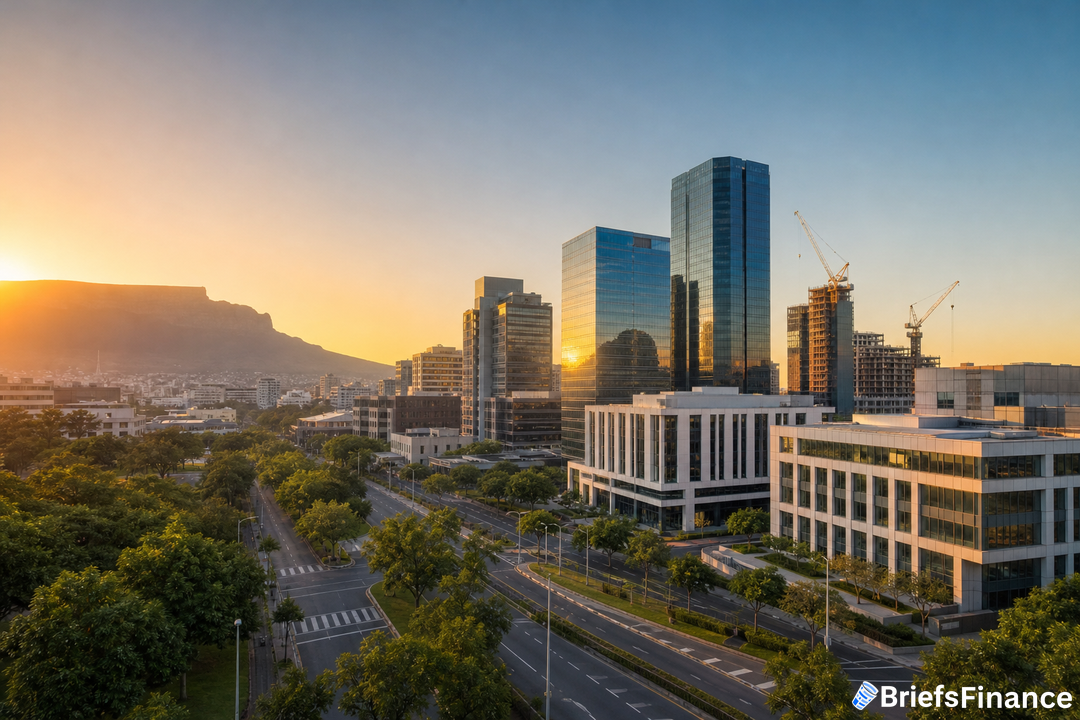
The International Monetary Fund (IMF) has indicated that South Africa is making strides in restoring its fiscal credibility, despite ongoing geopolitical risks. In an interview conducted on Tuesday in Johannesburg, Tidiane Kinda, the IMF’s representative in South Africa, noted the resilience of the economy following energy disruptions connected to the ongoing war in Iran. However, he expressed concerns about a lack of investment in critical areas.
“There is a bit of a wait-and-see sort of attitude,” Kinda said, emphasizing the need for increased public investment to bolster economic growth.
South Africa’s budgetary outlook showed positive signs after Finance Minister Enoch Godongwana presented a midterm budget plan last week. The plan suggested that the country’s debt levels are expected to peak in 2025-26 before gradually decreasing. This projection is supported by revenue that exceeded expectations and a controlled pace of spending growth. Kinda praised the government’s efforts to maintain expenditure discipline and stabilize debt, specifically commending the National Treasury for introducing a fiscal anchor to help ensure sustainable debt levels.
This progress marks a significant shift from previous years when South Africa struggled with a substantial debt burden largely accumulated during former President Jacob Zuma’s tenure. The IMF observed that increased confidence in fiscal policy, alongside the central bank’s decision last year to lower its inflation target to 3%, has contributed to reduced risk premiums for the nation.
However, the IMF’s forecast on debt is more cautious than that of the Treasury. While the IMF anticipates the debt-to-GDP ratio will stabilize around 80% over the next five years, the government claims it has already peaked at 78.4% and will decrease to 77.5% by 2028-29.
For 2023, the IMF projects economic growth at 1%, slightly below the Treasury’s estimate of 1.2%. They expect growth to reach 1.8% in the medium term, but Kinda stated that achieving growth rates of up to 4% will require expediting reforms to attract more private investments in sectors like power generation and logistics. Implementing these reforms promptly could potentially boost growth by 1.8 percentage points within two years.
Further reforms, such as improving governance and procurement to mitigate corruption, could contribute an additional 1.2 to 1.4 percentage points to growth. Additionally, enhancing the overall business environment could add another 0.5 percentage points, although Kinda acknowledged the challenges of pursuing fiscal consolidation amid sluggish growth rates.
As South Africa navigates these fiscal and economic landscapes, the outcome will depend significantly on the timely execution of reforms in energy, logistics, and governance.
