




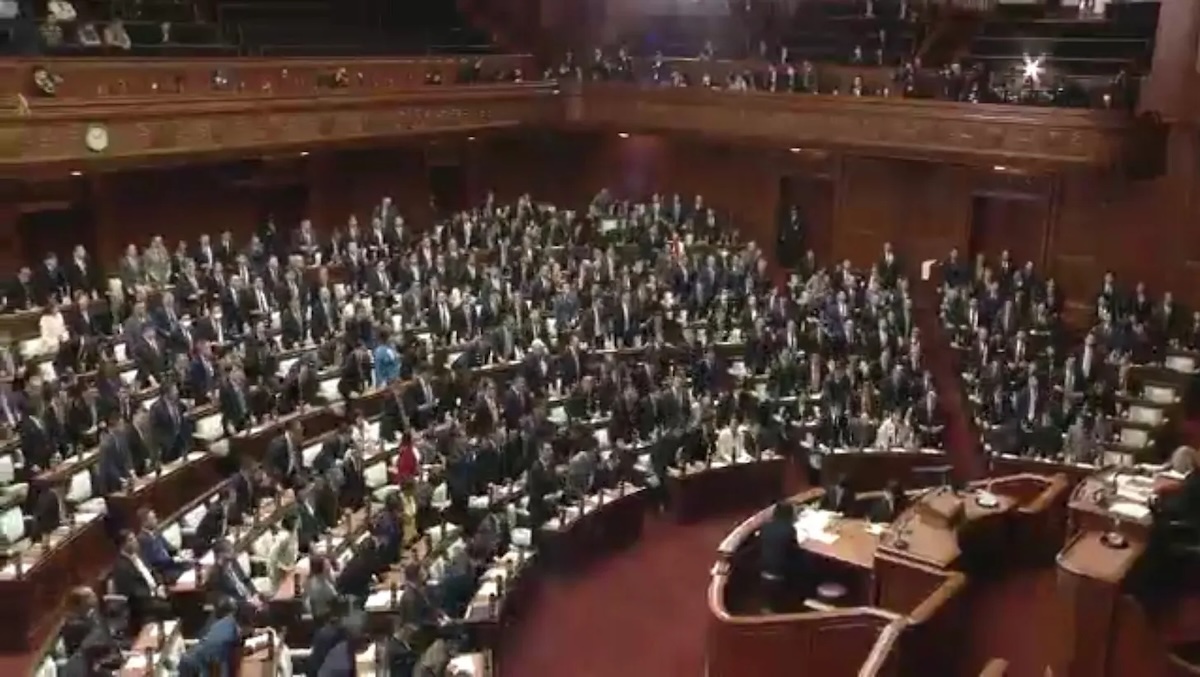
Japan’s House of Representatives passed a bill to cut consumption taxes on Friday, November 6. However, the government’s achievement was marred by the absence of four prominent members of the ruling Liberal Democratic Party (LDP) during the vote, including former Prime Minister Shigeru Ishiba.
The bill now moves to the upper house, where opposition parties plan to utilize an ad hoc committee to scrutinize the tax cut, citing a lack of adequate debate in the lower house.
Prime Minister Sanae Takaichi’s sense of achievement following the legislation’s approval in the lower house may have been dampened by Ishiba and the other members who chose not to participate in the vote. Besides Ishiba, the absent lawmakers included Yuko Obuchi, who previously resigned from her position leading the LDP’s tax commission in protest of the tax cut; Yoshihisa Furukawa; and Hajime Funada.
Ishiba expressed his dissent, stating, “I cannot agree to something like this. The source of funding is unclear. It will damage public finances. The currency will depreciate. Interest rates will rise. Prices will increase. I cannot dispel these concerns.” All four legislators are known as fiscal hawks and have articulated strong opposition to the tax reduction.
Their decision to abstain from the vote drew attention, suggesting ongoing divisions within the LDP despite Takaichi’s efforts to advance the tax cut. Other LDP members reportedly share similar concerns but have refrained from openly opposing the measure.
Takaichi did not address the protests directly, but other LDP leaders expressed anger over the absentees’ actions, with some calling for their resignations. LDP policy chief Takayuki Kobayashi warned of potential repercussions for those who failed to adhere to party directives during the vote.
Following the vote, the dissenting legislators reiterated their fears regarding the bill’s potential negative impact on government finances and the risk to the social welfare system. They also pointed out that the tax cut is temporary and could lead to an effective tax increase for many taxpayers when it expires in two years.
The internal opposition poses challenges for Takaichi as the bill approaches debate in the upper house, where the ruling coalition does not hold a majority. No opposition party supported the tax cut in the lower house, and the government conceded to forming an ad hoc committee in the upper house, where opposition outnumbers the ruling party by twenty to nineteen.
Although the committee cannot halt the legislation from reaching the full assembly, it is expected to engage in a more thorough discussion of the issues raised by the dissenters, an unusual occurrence in the process of advancing government bills.
Critics of the bill have highlighted additional concerns regarding the lack of specifics on how subsidies will be distributed, the financing of the tax cut, and the support for businesses affected by the tax changes.
Takaichi’s proposal that about 30% of workers might receive additional payments seems unlikely to ease dissent among her critics. Deliberations in the upper house are set to begin on November 11.
While Takaichi is likely to secure the tax cut without requiring another vote in the lower house, the opposition from within the LDP may diminish prospects for a compromise with key opposition parties. This situation has also drawn scrutiny to the government’s legislative process, notably its handling of significant questions regarding the tax plan.
