




In a surprising outcome from the recent midterm elections, Democrats regained control of both the House and Senate. In a significant shift, Republican Senator Roger Marshall from Kansas, a key member of the Senate Agriculture Committee, lost his reelection bid to Democrat Adam Hamilton. Additionally, Jamie Ager, a farmer, has secured a congressional seat representing western North Carolina. Ager’s win is viewed positively by several stakeholders, including Food Tank, which has previously featured him at their events.
With these election results, questions arise regarding future legislation, particularly the Farm Bill, which has traditionally united rural and urban interests by linking farmer support with nutrition assistance. However, observers note that this coalition may have weakened. The ability for both parties to collaborate on such crucial legislation remains to be seen, especially concerning the future of the Supplemental Nutrition Assistance Program (SNAP), which millions rely on for food security. Advocates emphasize that food and agriculture should not be partisan issues, highlighting the need for stability in farming and access to affordable, nutritious food for families.
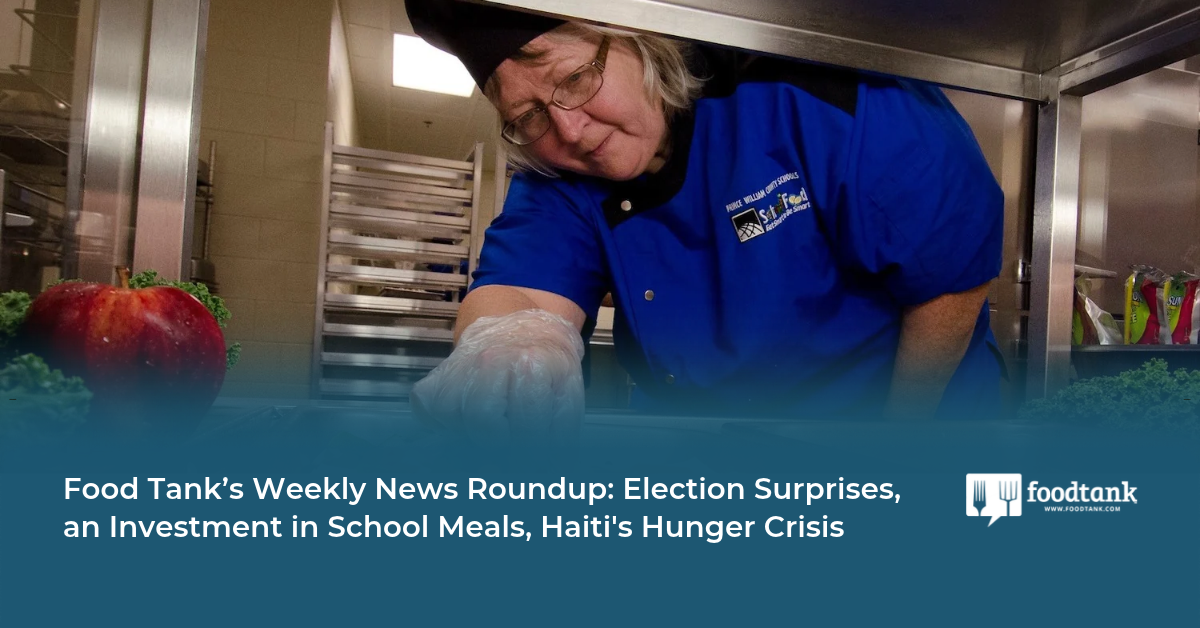
In another major development, the U.S. Department of Agriculture announced recently the availability of over $27 million in additional Farm to School Grants and $50 million designated for improving school kitchen facilities. These investments aim to enhance the procurement of locally grown food, thereby facilitating the preparation of healthier meals in schools. According to USDA officials, effective school meal programs require adequate facilities and trained personnel to ensure that students receive nutritious options. Advocates stress the importance of equal access to healthy meals for all students, regardless of their school’s resources.
On a global scale, a report from the Organization for Economic Cooperation and Development (OECD) reveals that governments from 56 countries provided more than $950 billion in agricultural support in 2025. Despite this significant funding, much of it is reportedly reactive, addressing crises after they occur rather than proactively aiding farmers. The report calls into question whether investments are adequately supporting agricultural research and infrastructure, which are essential for building resilience against climate impacts, enhancing biodiversity, and ensuring access to nutritious food.
In Haiti, the humanitarian situation is deteriorating, with nearly 6 million people facing acute food insecurity, a figure projected to increase to 6.35 million in the coming months due to gang violence, economic instability, and extreme weather. Local farmers are significantly affected, facing challenges in market access and crop production due to environmental conditions. Notably, reports from the World Food Programme indicate that 74 percent of the food provided in its school feeding programs is locally sourced, highlighting a dual need for immediate food assistance and support for local agriculture to enhance long-term food security.
The contrasting situations of U.S. agricultural policy and Haiti’s hunger crisis underscore the complexities of global food systems and the urgent need for effective, long-term solutions.
