




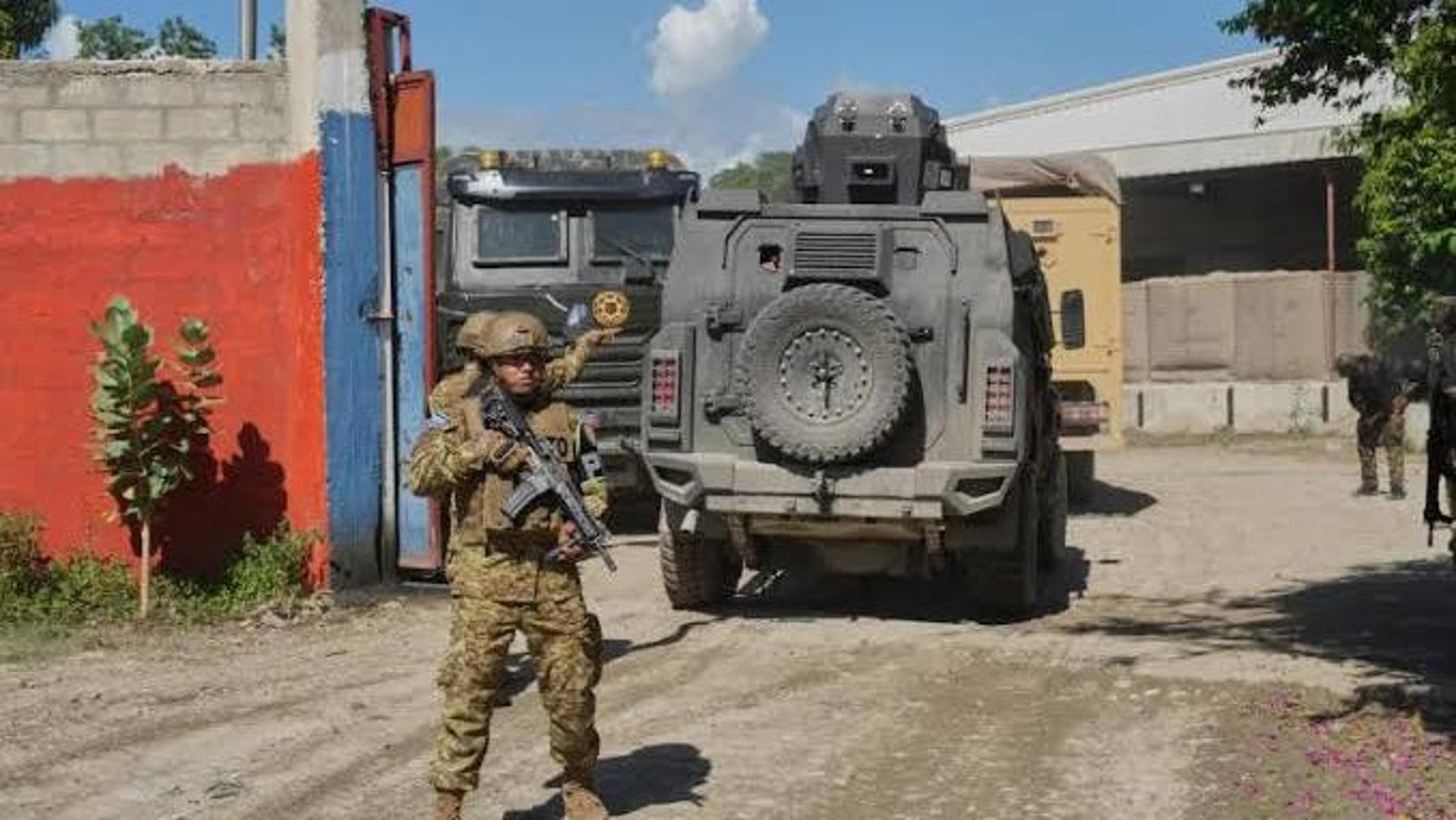
Four military technicians from the El Salvador Air Force went missing in Haiti on October 18 after their armored vehicle was attacked and set ablaze by armed youths in the Croix-des-Bouquets area, near Port-au-Prince. Authorities believe the technicians may have been kidnapped by one of the nearly 300 gangs that have been active in the country since the assassination of President Jovenel Moïse in 2021. As of now, there is no information on their whereabouts.
In response to the incident, the Salvadoran government quickly dispatched around 40 soldiers to aid in retrieving the personnel. This number has since increased to over 2,000 troops, which include two special forces units, as the situation escalated.
Haiti faces a significant challenge with gangs exerting control over various neighborhoods and cities, imposing their own taxes and using violence to instill fear among residents. The United Nations estimates that about 1.5 million people have been displaced by ongoing violence, with around 740,000 of them being children. In 2025, approximately 3,000 civilians were killed in gang-related violence, a figure that has already exceeded 4,000 in 2026, according to preliminary data.
President Nayib Bukele of El Salvador has framed the military intervention not just as a mission to find the missing personnel, but also as a concerted effort to confront the growing influence of gangs in Haiti “once and for all.” Under Bukele, El Salvador has seen a crackdown on local gangs, resulting in significant arrests. However, there are concerns that these foreign efforts may exacerbate violence without clear accountability or rules of engagement.
As foreign forces mobilize, including the United Nations-sanctioned Gang Suppression Force, civil society organizations have expressed fears regarding potential civilian casualties and the consequences of escalating violence in unfamiliar territories. The effectiveness and funding of these international missions are complicated, with reliance on voluntary contributions from donor countries rather than standard UN financing.
Simultaneously, Haiti is grappling with the presence of private military contractors, including operations led by Erik Prince, founder of Blackwater. Reports indicate that drones operated by Prince’s private army have killed 1,243 people in Haiti, including 17 children, heightening concerns over collateral damage in attempts to combat gangs.
As the situation remains precarious, questions linger about the future control of territories now dominated by gangs and the humanitarian implications for the Haitian population, with many reliant on non-governmental organizations for basic support amid widespread poverty.
