




Caged Farming Bans Expand Across Europe
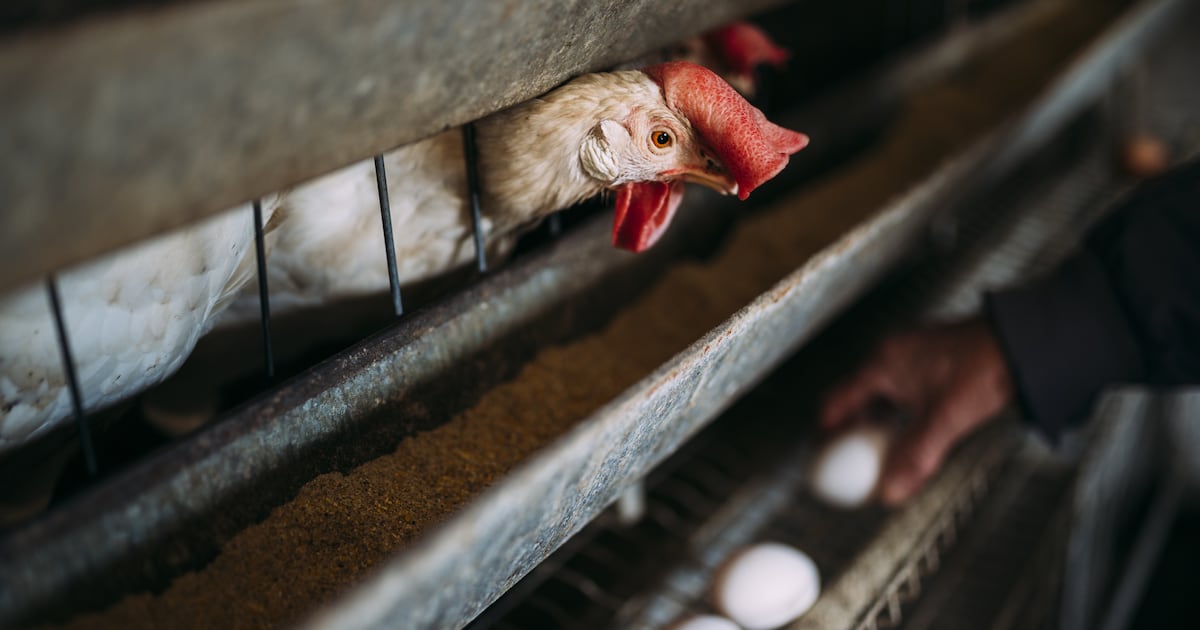
Several European countries are taking significant steps to ban the use of enriched cages for laying hens, with ongoing legislative efforts aimed at phasing out various forms of caged farming.
Current EU legislation already regulates the size of cages for laying hens, established by a directive in 1999. This directive mandates a minimum cage area of 750 cm2 per hen, with at least 600 cm2 considered usable. Cages must also have a total area of no less than 2000 cm2 and should not exceed a height of 20 cm.
Since 2012, unenriched cages, which do not provide nesting, perching, or litter, have been banned across the EU. In addition, regulations set forth in 2020 require organic production to be cage-free, providing each hen with around 1,667 cm2 of usable indoor space.
Countries such as Austria, Luxembourg, and Germany have enacted bans on enriched cages for laying hens. Others, including Denmark, the Czech Republic, and Wallonia in Belgium, are moving towards phasing out caged farming. France is also considering new initiatives to prohibit the construction of cages for these animals, while Estonia and Slovenia are discussing legal provisions related to such phase-outs.
Sander Wagemakers, an associate at law firm Two Birds, noted that while some countries are banning enriched cages, this does not mean all forms of caged farming will be eliminated. For instance, the Netherlands is set to ban enriched cages but will continue to allow colony cages, which are larger.
On a broader scale, an EU-wide ban on caged farming may be in the works. The European Commission has suggested plans in its Livestock Strategy for a gradual phase-out of cages. Wagemakers stated that if these proposals are adopted through regulation, they could lead to a complete ban on cages across the EU. However, he emphasized that parliamentary and member state support is uncertain, as agricultural reform remains a politically sensitive issue.
Despite potential legislative hurdles, consumer demand for cage-free products is increasing, particularly in North-West Europe, which may encourage further momentum for change. Nonetheless, Wagemakers cautioned that consumer preferences do not always align with actual purchasing behavior.
Transitioning away from caged farming could also incur significant costs for producers. Studies indicate that substantial investment may be required to upgrade facilities, which could affect production efficiency. As the regulatory landscape continues to evolve, the future of caged farming in Europe is clearly changing.
