




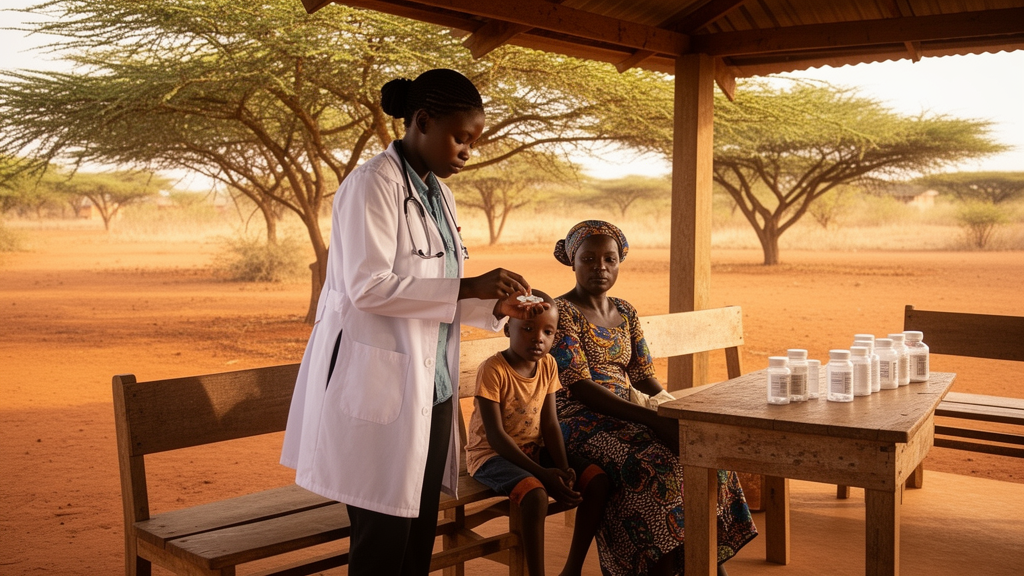
The 2025 Annual Meeting of National Neglected Tropical Disease (NTD) Programme Managers took place in Lomé, Togo, from April 15 to 17, focusing on a financial crisis that threatens elimination goals for neglected tropical diseases in the WHO African Region. Entitled “Innovating for Acceleration: Pathway to NTD Elimination,” the meeting addressed the recent pause in funding from the United States Agency for International Development (USAID), which has revealed vulnerabilities in the financing models many African countries depend on.
The halt of three major USAID initiatives at the beginning of 2025 created significant operational challenges across 24 African nations, resulting in an estimated funding gap of $57 million. The suspended programs included Act to End NTDs I East, Act to End NTDs I West, and Ending Neglected Diseases through Operational Research (ENDOR). Most of this shortfall was earmarked for mass drug administration (MDA) campaigns, while the remaining funds were allocated for critical epidemiological surveys.
The disruptions have led to the suspension of over 114 planned actions, including 47 MDA campaigns that aimed to treat around 142 million individuals. These campaigns are crucial for combating NTDs, which significantly affect impoverished communities in tropical and subtropical regions. The WHO African Region bears approximately 40% of the global NTD burden, with all 47 member states affected by at least one NTD. The pause in these large-scale interventions threatens to undo progress made in the past decade, especially in nations with limited domestic health budgets.
Despite these challenges, the conference also highlighted recent achievements in the fight against NTDs. As of now, 42 of the 47 countries in the region have been certified free of Guinea worm disease. Nine countries have validated the elimination of trachoma as a public health concern, with enhancements reported for Burundi and Senegal in July 2025. Togo and Malawi have successfully eliminated lymphatic filariasis, and Niger is the first country in the region to verify the elimination of onchocerciasis. These advancements demonstrate the potential for success, but the meeting emphasized the need for continued focus amidst financial instability.
In response to the funding challenges, some countries have initiated innovative strategies to enhance resilience. For instance, Benin decentralized its operations to support MDA financing through local budgets. Meanwhile, Ethiopia adjusted its priorities to redistribute medicines and incorporate NTD commodities into national procurement processes. Angola is developing a transitional financing plan leveraging multisectoral partnerships, and Mainland Tanzania has integrated NTD budgets into district plans.
However, fully integrating NTD services into routine health delivery remains a significant obstacle. Most NTD programs operate independently of primary health care systems, limiting efficient use of health resources and sustainability of interventions. Participants at the meeting stressed the necessity for coordinated strategies that integrate NTD interventions into national health frameworks, particularly within Universal Health Coverage initiatives.
Technological innovation is emerging as a key component in improving efficiency and decision-making. The Expanded Special Project for the Elimination of Neglected Tropical Diseases (ESPEN) has developed tools such as the ESPEN Collect platform for data gathering. Additionally, AI-powered applications, like a new WHO mobile app, assist health workers in diagnosing suspected skin lesions in real-time. Some countries are also adopting digital payment systems to enhance the speed and transparency of transactions for campaign workers.
The meeting concluded with a call for increased domestic financing alongside public–private partnerships to foster long-term sustainability in NTD elimination efforts. It reiterated that achieving the 2030 elimination targets requires strengthening national ownership and integrating NTD services into broader health system strategies. Participants emphasized the critical role of digital tools and innovative financing solutions in maintaining progress and preventing setbacks from external funding disruptions.
