




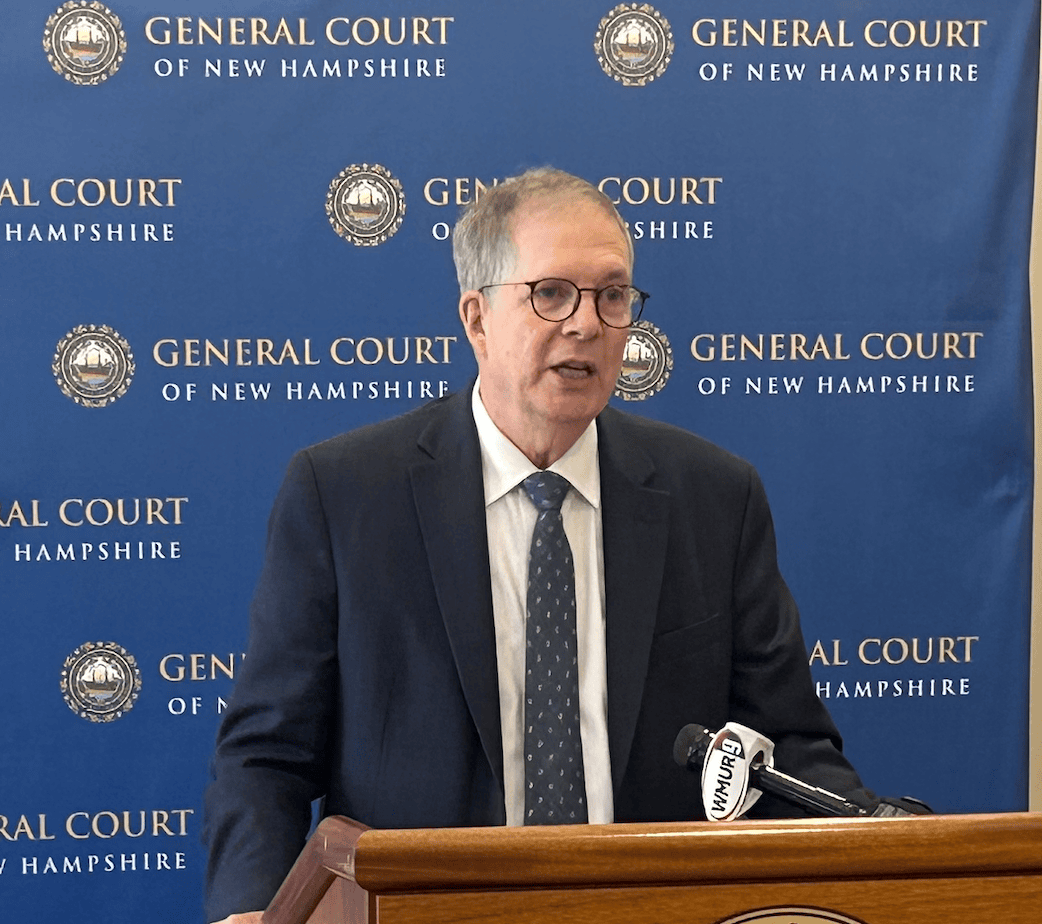
New Hampshire Secretary of State David Scanlan announced on Tuesday his intention to seek re-election despite the imminent challenge from a strong Democratic majority in the state legislature. Scanlan’s bid comes as three Democratic candidates have already declared their plans to run for the position.
New Hampshire is one of three states where the secretary of state is selected by the legislature, unlike the 35 states that elect their secretaries via popular vote. Scanlan, a Republican, faces mounting pressure following a Democratic blue wave that delivered a 292-108 majority in the House.
The Democratic challengers include:
- Carleigh Beriont, chair of the Hampton Board of Selectmen and a former congressional candidate;
- James Butler, who previously worked on voter data for America Votes;
- Patrick Long, a state representative from Manchester.
As the Democrats promise to enhance voter participation and safeguard New Hampshire’s first-in-the-nation primary, Scanlan contends that his current policies actively fulfill these goals. “I know what’s involved with setting the date for the presidential primary, and I know the messaging that needs to be stated to protect it,” he said.
The Democratic candidates have proposed various reforms, including no-excuse absentee voting, expanded mail-in ballots, and online voter registration. Scanlan criticized these suggestions as not fully understanding the state’s unique voting landscape, stating that New Hampshire has constitutional requirements affecting absentee voting that differ from those in other states.
He referenced challenges posed by the group 603 Forward, which has endorsed Butler, and noted their legal battle against a state requirement for voters without photo ID to use an affidavit ballot on Election Day. Scanlan highlighted that the state’s election procedures would need constitutional amendments to accommodate the Democrats’ proposals.
Scanlan emphasized his successful management of voter turnout during past elections, positioning it as evidence of public confidence in his leadership. He noted that New Hampshire ranks among the top five states for voter turnout, underscoring the accessibility of participation in the electoral process.
Despite Democratic claims that Scanlan represents Republican extremism, particularly regarding his enforcement of laws affecting student voting rights, Scanlan remains firm on his record. He pointed to compliance with a recent court ruling that allowed certain student IDs for voter registration as proof of his commitment to fair elections.
Scanlan’s experience and stated commitment to uphold the law, regardless of its political implications, forms the core of his campaign message. He will participate in forums organized by the Democratic Party this week in an effort to engage with both sides of the aisle.
As the election for the position approaches, Scanlan’s focus remains on conveying his nonpartisan approach to safeguarding election integrity and adhering to state law.
