




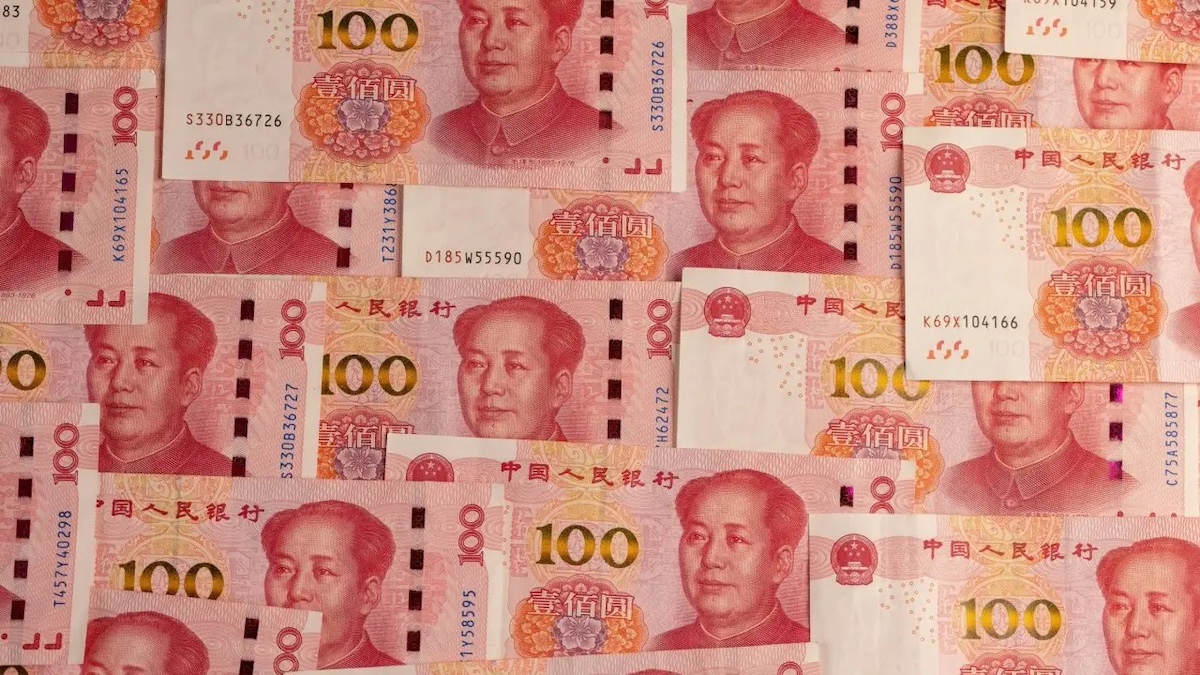
A stronger yuan is beginning to alter the dynamics of global investment strategies, particularly in relation to holding dollar-denominated assets. The People’s Bank of China (PBOC) recently set its daily reference rate for the yuan at 6.7118 per dollar, marking its strongest position against the dollar since July 2022. This reflects a more than 5% increase in the yuan’s value this year.
In past years, the Chinese government has kept the yuan subdued to maintain the competitiveness of its exporters. However, analysts note that allowing the currency to rise now, despite weak domestic demand, indicates a shift in strategy aimed at increasing the yuan’s adoption globally.
In June, the PBOC introduced a repurchase agreement (repo) facility aimed at providing foreign central banks and sovereign wealth funds with yen liquidity based on their Chinese bond holdings. This initiative is part of a broader effort to promote the yuan in international markets.
There has been significant growth in the number of direct participants in China’s cross-border payment system, increasing from 139 to 193 since the start of 2024. Approximately 30% of China’s goods trade is now settled in yuan, a substantial rise from 12% to 13% in 2018.
Despite this progress, the yuan constitutes only about 2% of global official reserves and 3% of payments on the SWIFT network. The dollar maintains dominance, accounting for roughly 50% of global transactions. Still, PBOC Governor Yi Gang has suggested that the yuan’s share of global payments may increase to 6% to 7% due to ongoing developments.
For years, foreign investors in Chinese assets faced the declining yuan, which eroded potential gains upon conversion back to their home currencies. A modestly appreciating yuan offers a new opportunity for boosting returns, particularly in comparison to other investment alternatives.
This year’s 5% appreciation, when combined with local asset returns, can significantly alter the attractiveness of Chinese investments. Although Chinese government bonds typically yield less than US Treasuries, the appreciating yuan could enhance their appeal, especially for reserve managers assessing their fixed-income allocations.
In equity markets, a stronger yuan can impact Chinese exporters by reducing margins when converting overseas revenue into yuan, but it simultaneously increases purchasing power for Chinese consumers and companies reliant on imports. Multinational corporations with yuan-based revenues gain more when converted to dollars, influencing performance metrics across sectors.
Asian economies that maintain strong trade ties with China often see their currencies tracking the yuan. Consequently, a stable yuan can have positive ripple effects for investors in Asian assets.
Despite these shifts, the dollar will likely remain the primary global reserve and funding currency, bolstered by the vast size and liquidity of US financial markets. However, as the yuan gains traction, investors may need to reassess their reliance on dollar-denominated assets, particularly given the constraints associated with the yuan’s management and potential capital controls by Beijing.
Current indications suggest that the yuan may continue to strengthen through 2027, assuming Beijing maintains a stable economic environment. If successful, these changes could gradually alter global capital flows and returns for many investors.
