




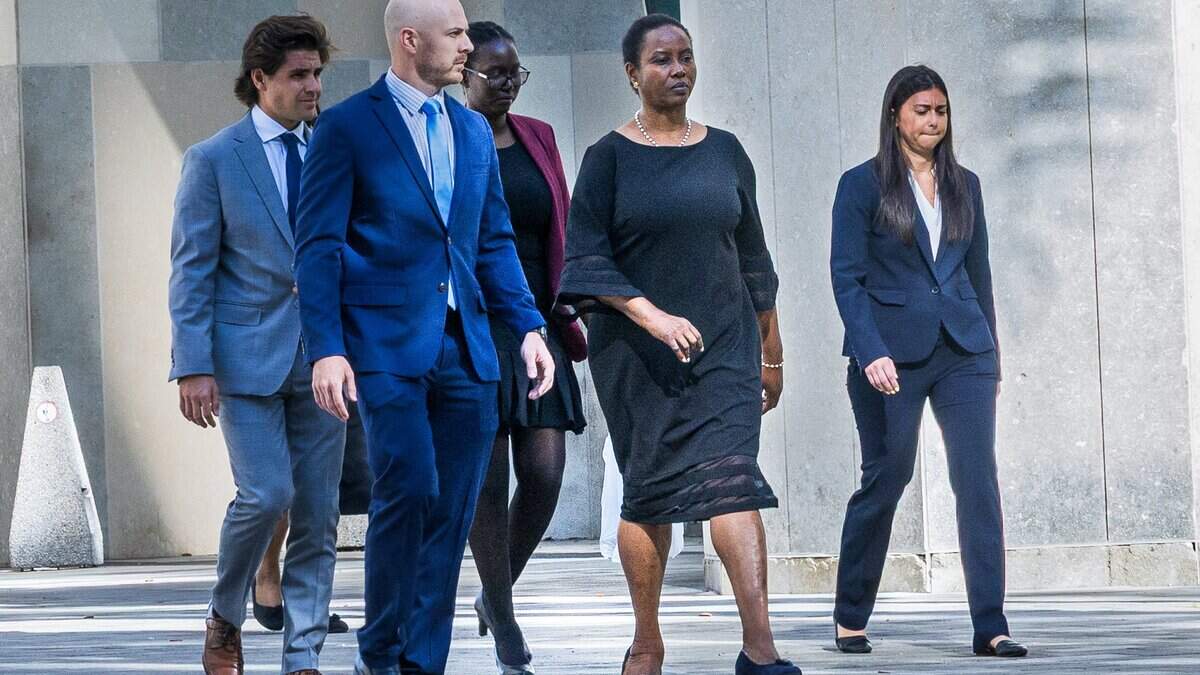
Martine Moïse, the widow of slain Haitian President Jovenel Moïse, returned to Haiti on Wednesday to register as a presidential candidate for the nation’s long-awaited general elections. Her bid comes amid significant challenges facing the electoral process.
Moïse arrived at Cap-Haïtien International Airport shortly after noon, where she was met by a small gathering of supporters. She opted to bypass the diplomatic lounge, donning a baseball cap and a green T-shirt.
As one of only three women among 33 candidates, Moïse registered shortly before the deadline of midnight on November 15. She has no prior political experience and stated during a recent trial that she never discussed politics with her late husband. The elections, initially scheduled for December 13, 2026, have been delayed to July 18, 2027, with a second round planned for October 4, 2027.
The other female candidates are Dominique Dupuy, a former permanent representative to UNESCO and brief foreign minister in 2024, and Savary Marie-Anne Savannah Hadid, a businesswoman and philanthropist. The candidate pool also includes thirty male candidates, among them two former presidents and notable public figures from the Haitian private sector.
On the day of Moïse’s arrival, four private organizations expressed concerns regarding certain candidacies in a letter to the electoral council. While they did not name specific candidates, they emphasized the need for a thorough and impartial review process to ensure the credibility of the elections. Their letter underscored the importance of selecting leaders with integrity, particularly after years of political instability in Haiti.
Haiti last held elections in November 2016
The elections will mark the first presidential vote in over a decade, as previous elections have been postponed due to escalating gang violence and slow voter registration. As of Wednesday, over one million voters had registered, with 1,035,639 individuals signed up out of approximately 6.5 million eligible voters. However, 117 voting sites remain inactive due to ongoing gang threats.
UN Secretary-General António Guterres highlighted the dire situation in Haiti, calling for a political process that restores democratic institutions and offers hope to the youth in the country.
The deadline for candidates to submit required documentation, including proof of residence and clearance from criminal investigations, is set for Monday, November 30. The electoral council plans to release a preliminary list of approved candidates on December 15, followed by a final list on January 11. It remains uncertain whether Moïse will qualify under existing electoral laws.
After the assassination of her husband on July 7, 2021, Martine Moïse has resided in South Florida. During a federal trial, she testified as a key witness while addressing safety concerns regarding her previous reluctance to return to Haiti. She is also facing legal challenges related to her husband’s assassination but has not publicly addressed all inquiries concerning her involvement.
