




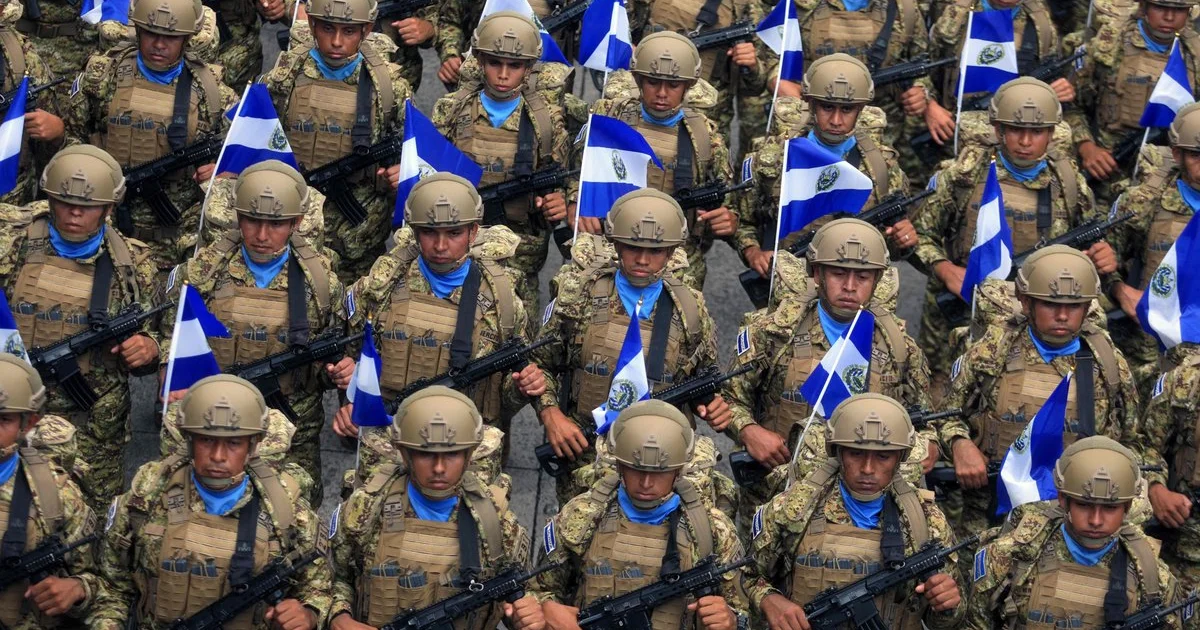
El Salvador’s military presence in Haiti is raising significant concerns about the balance between international responsibility and national safety. As the nation grapples with its own security challenges, the implications of sending troops abroad have become increasingly contentious.
The Salvadoran government has made strides in combatting domestic violence and crime, particularly against criminal gangs, since the civil war ended in 1992. This progress has altered the country’s international image, which has become a focal point for the administration. Nevertheless, El Salvador lacks the military and economic resources to engage in extensive foreign operations without jeopardizing its personnel’s safety, a fact underscored by the current unrest in Haiti.
Haiti, beset by rampant gang violence and inadequate resources to manage its security crisis, faces dire challenges. While the international community’s support is crucial, critics argue that a government’s primary duty is to safeguard its citizens. Deploying troops to foreign conflicts raises essential questions about the limits of international commitments and the responsibilities of a nation to its own people.
El Salvador’s military involvement in Haiti began in October 2024, when the Legislative Assembly authorized a deployment to assist with medical evacuations under the Multinational Security Support Mission (MSS). Subsequently, the Salvadoran legislature approved a law in September 2026, allowing military personnel to participate in the Gang Suppression Force (GSF) established by a United Nations Security Council resolution.
The situation intensified on October 18, 2026, when four Salvadoran military aviation technicians were ambushed and kidnapped by armed groups in Croix-des-Bouquets. In response, the Salvadoran government deployed over 2,000 soldiers on October 21 to reinforce its presence.
Tragically, three Salvadoran service members have lost their lives during this mission, causing profound grief for their families and communities. Observers note that the pursuit of international alliances should not endanger the lives of a nation’s citizens without thorough consideration and accountability.
El Salvador is a relatively small nation of approximately seven million, with an armed force of about 25,000 personnel. Critics argue that the risks involved in participating in a conflict far from its borders must be critically evaluated, especially as the stakes for its own citizens are so high. While aiding Haiti remains a valid humanitarian objective, the potential dangers of such missions necessitate careful reflection prior to deployment.
