




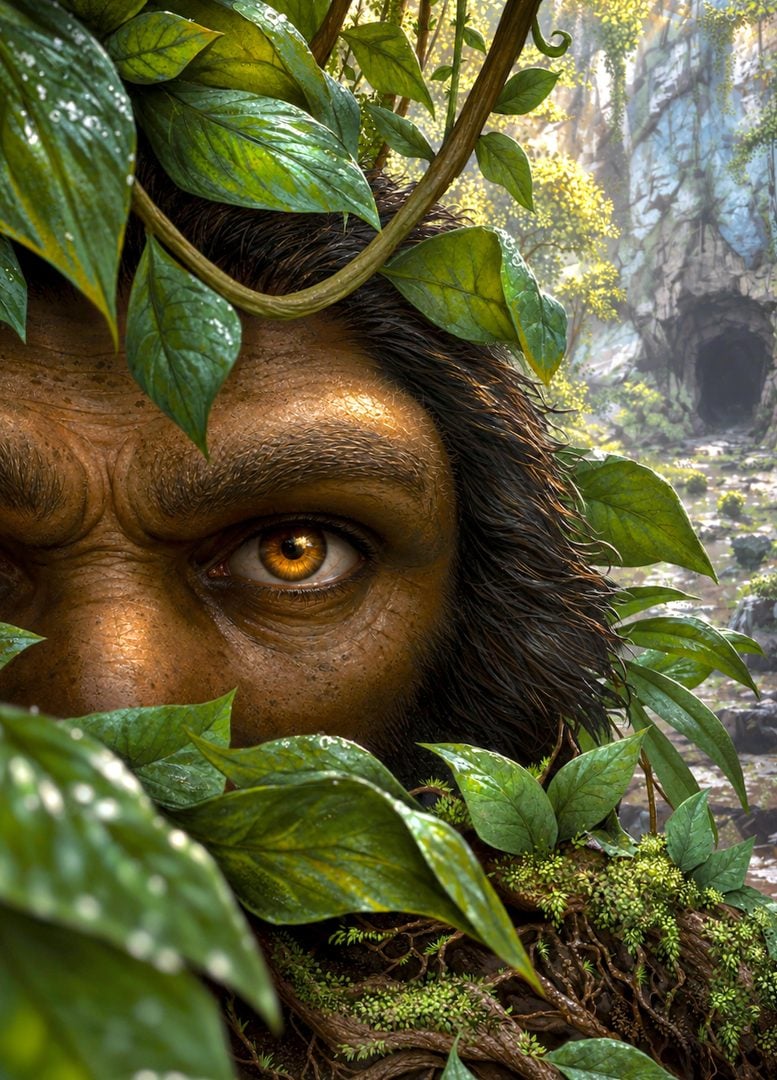
The discovery of eight fossilized teeth in southern China’s Guangxi province suggests that the ancient human species Homo erectus persisted in dense tropical rainforests much longer than previously believed. These remains date back between 324,000 and 184,000 years, indicating the species thrived in environments previously thought to be beyond their adaptability.
Published in the journal Nature, the findings stem from an international collaboration of researchers from Australia, China, and Europe. This research not only extends the timeline for Homo erectus in mainland China but also raises questions about the conditions that contributed to the species’ eventual extinction.
According to Professor Kira Westaway, a geochronologist and co-lead author of the study from Macquarie University in Sydney, the discovery is surprising, confirming the presence of Homo erectus in an unexpected location during a previously unconsidered time period. “This has huge implications for the timeline of Homo erectus as we attempt to understand the causes of its extinction,” she stated.
The fossilized teeth were unearthed from two caves—Baxian and Naxian—located approximately 15 kilometers apart within the karst landscape’s steep limestone hills and tropical vegetation. Their identification as Homo erectus was based on both physical characteristics and ancient genetic signatures. A combination of five dating methods confirmed their age, marking them as the youngest securely dated Homo erectus evidence in mainland China.
Further analysis of the teeth revealed insights into the ecosystem Homo erectus inhabited. Chemical traces within the tooth enamel indicated that they lived in a dense rainforest ecosystem, contrasting with the open grasslands and woodlands typically associated with the species. Dr. Nicolas Bourgon from the Max Planck Institute noted that the teeth tell a coherent story of life in this challenging habitat.
Professor Renaud Joannes-Boyau, also a co-lead author, highlighted that some chemical signatures in the teeth suggested that these individuals could have traveled beyond their immediate environment into northern Vietnam and Southeast Asia, indicating greater mobility than previously recognized. “This suggests these humans were far more mobile than previously recognized, moving across surprisingly large distances through a complex rainforest landscape,” he explained.
The discovery adds complexity to existing theories about rainforest expansion and the decline of ancient human populations. Dense tropical forests are believed to have complicated sustenance and mobility for some groups, leading researchers to reconsider how such environments may have influenced Homo erectus’ survival and adaptation.
Paleontologist Professor Yingqi Zhang from the Chinese Academy of Sciences stated that these findings challenge previous assumptions about Homo erectus’ adaptability. The evidence suggests that southern China may have served as a crucial refuge for late populations of Homo erectus while also shedding light on their ecological capabilities and limitations.
The research highlights a significant development in understanding the habitat and timeline of Homo erectus, indicating that the species may have survived in mainland Asia longer than previously understood. As scientists continue to explore these findings, they may reveal further insights into the historical and environmental factors influencing early human existence.
