




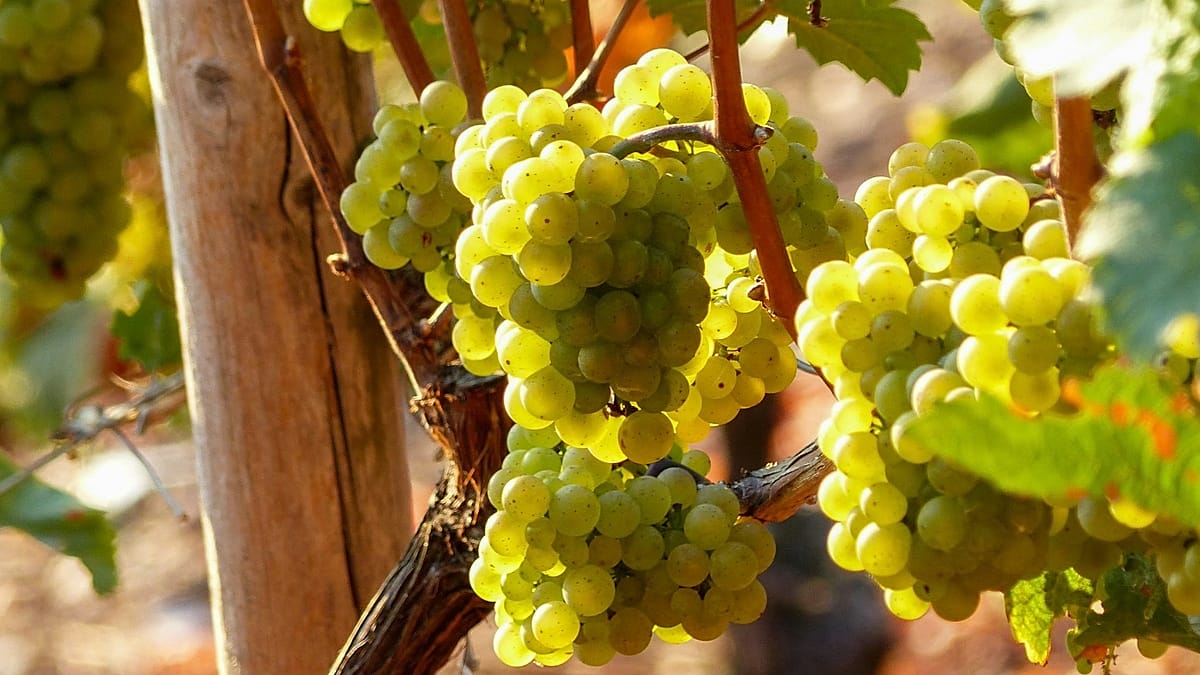
Researchers in Germany’s Rheingau wine region are exploring an innovative method to protect Riesling grapes from the impacts of climate change by growing them under solar panels. A recent study published this week highlighted the benefits of this approach, which includes shielding the grapes from sunburn and helping them retain the acidity that makes Rheingau Rieslings highly regarded worldwide.
The study, which spanned three years, noted that hotter summers are altering the flavor profiles of European wines, with areas like Burgundy and Tuscany experiencing significant drought and heatwave conditions that threaten historic wine production. As climate change poses a serious challenge to traditional winemaking practices, the findings from Rheingau could provide a model for preserving centuries-old viticulture traditions.
Innovative Vineyard Practices
In 2022, researchers from Geisenheim University installed 552 semi-transparent solar panels above rows of Riesling vines. These panels are designed to rotate throughout the day to optimize sunlight exposure while remaining high enough for agricultural machinery to operate below. Over the three growing seasons, the panels helped regulate the ripening process of the grapes, allowing them to maintain their acidity without overly rapid maturation.
The panels also offer protection against common issues such as sunburn and grey rot, a fungal disease that can damage grape yields. However, the researchers cautioned that excessive shading can negatively affect grape production. In 2024, for instance, a particularly cloudy year resulted in a 44% decrease in grape yield for the solar panel-shaded vines compared to those exposed to full sunlight.
Despite the challenges, the use of solar panels could mitigate losses during years of poor harvests, allowing winemakers to generate electricity and reduce energy costs. The experimental installation of solar panels came with a significant price tag of €350,000, prompting researchers to develop more cost-effective alternatives that could provide some benefits without the full protective capacity of the original system.
“We definitely don’t have time to wait any longer,” stated Manfred Stoll, a professor of viticulture at Geisenheim University and co-author of the study, emphasizing the urgency of finding sustainable solutions for the wine industry.
The situation for European vineyards has become increasingly dire, particularly this year in Burgundy, where harvest volumes dropped 26% below the five-year average due to severe drought and heat conditions exacerbated by climate change. Some estates, like the Hospices de Beaune, reported losing approximately half of their harvest after months of near-drought conditions.
Climate change impacts are increasingly evident across traditional wine-growing regions in Europe. Experts warn that if global warming surpasses the 2°C threshold, up to 90% of these regions could become too hot or dry for high-quality wine production by the end of the century. In response, some winemakers are relocating vineyards to cooler areas like Brittany and Normandy, which are typically known for cider production rather than fine wines.
The implications of Protected Designation of Origin (PDO) regulations complicate the situation, as these designations require wines to be produced in specific regions using strict methodologies. Researchers are now advocating for further trials to determine if the successful strategies found in Rheingau can be replicated across other European wine regions, presenting an opportunity to adapt to climate challenges while preserving viticultural heritage.
