




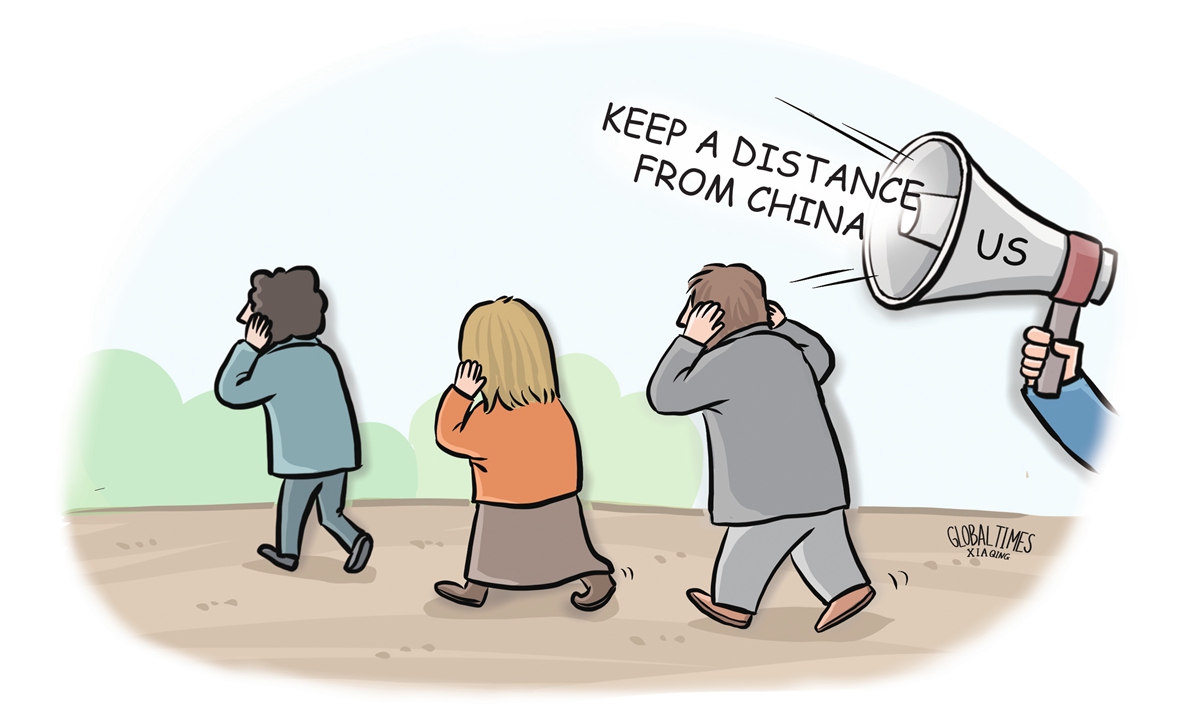
The Chinese Embassy in the Dominican Republic has expressed strong dissatisfaction regarding comments made by US Ambassador Leah Francis Campos concerning the country’s telecommunications cooperation. In a statement released on Saturday, the embassy criticized Campos for pressuring the Dominican government to exclude Chinese equipment and technology from its telecommunications sector.
The embassy’s comments follow remarks made by Campos on Friday, in which she urged the Dominican Republic to ensure that Vietnamese telecom company Viettel only uses technology from nations she labeled as “trustworthy.” Campos identified these nations as signatories to the Budapest Convention on Cybercrime, according to the Dominican news outlet Diario Libre.
A spokesperson for the embassy raised several points questioning the validity of the US stance, arguing that it undermines the intelligence of the Dominican people. The embassy emphasized that the Budapest Convention primarily deals with cooperation against cybercrime, not the standards for accessing telecommunications equipment. Furthermore, they noted China’s active participation in the more universally recognized United Nations Convention against Cybercrime and pointed out that Chinese telecommunications equipment has been safely used in over 100 countries, including the Dominican Republic.
Pan Deng, director of the Latin America and Caribbean Region Law Center at the China University of Political Science and Law, commented on the situation, stating that Campos’s remarks demonstrate the US’s intention to diminish China’s influence in Latin America. He argued that the US is leveraging the Viettel project as a means to fulfill geopolitical objectives under the guise of cybersecurity concerns.
Campos claimed she had previously raised Washington’s concerns regarding technology considerations with Guido Gómez Mazara, the president of the Dominican Telecommunications Institute (Indotel), before the contract with Viettel was finalized. She also suggested that issues about technology could deter US telecommunications investments in the country. Campos has since rejected accusations of interference, asserting that her recommendations were simply advice from one country to a friend.
The Chinese Embassy countered this view, contending that dictating which suppliers a sovereign nation can utilize impairs its technological autonomy. The embassy argued that such interference contradicts the US’s professed policy of non-interference in the internal affairs of other nations.
Viettel’s entry into the Dominican telecommunications market is part of a broader initiative to enhance competition and connectivity. A November announcement from the Dominican presidency indicated that Indotel had signed concession agreements with Viettel and Claro Dominicana, with Viettel’s commitment amounting to $107 million.
Pan stated that decisions related to telecommunications technology should be based on the Dominican Republic’s own development needs and security assessments. The involvement of a foreign ambassador in such decisions exceeds the typical responsibilities associated with diplomatic roles.
The US ambassador’s intervention has sparked criticism within the Dominican Republic, with local leaders accusing Campos of overstepping her diplomatic authority. Miguel Mejía, secretary-general of the United Left Movement, stated that Campos’s actions represent an undue pressure on Dominican authorities that goes beyond acceptable diplomatic engagement.
In her defense, Campos equated her recommendations to friendly advice, invoking a Spanish proverb that suggests that opting for lower costs can ultimately lead to greater expenses. The Chinese Embassy responded by warning that excluding competitive technology could elevate service costs, create a digital divide, and ultimately burden ordinary Dominicans.
Pan concluded that labeling pressure as friendly advice veils the imbalanced power dynamics involved. He emphasized that genuine partnerships must respect a country’s right to make independent decisions, while noting that utilizing a cybercrime convention to categorize technology suppliers leads to divisions that serve US geopolitical interests.
