



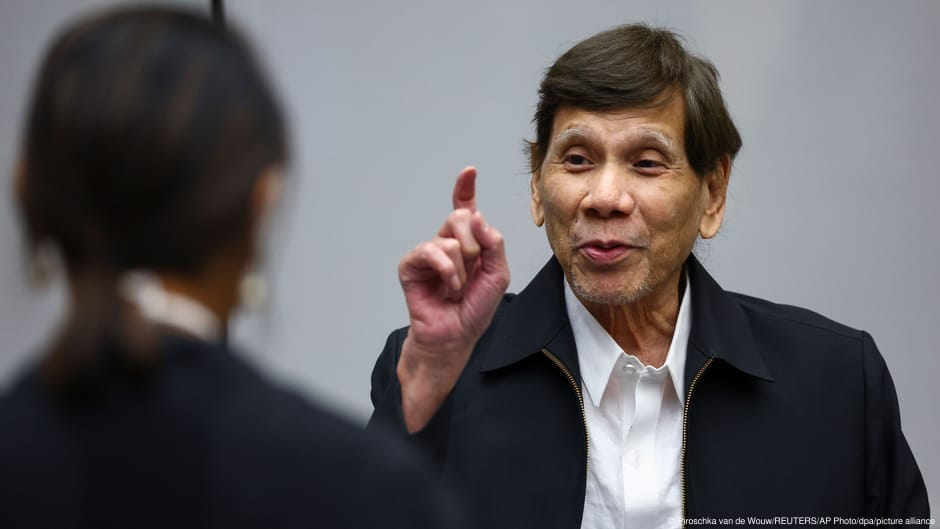
Former Philippine President Rodrigo Duterte’s trial at the International Criminal Court (ICC) is set to commence this week. He faces allegations of crimes against humanity related to his administration’s controversial war on drugs.
Duterte’s presidency, which lasted from 2016 to 2022, was marked by a crackdown on illegal drugs that resulted in thousands of deaths, sparking widespread accusations of extrajudicial killings. His actions have drawn significant scrutiny and condemnation from human rights groups and various international organizations.
The ICC has been investigating the violent policies enacted during Duterte’s tenure, with this trial highlighting potential human rights violations. Observers are now questioning whether the trial will provide justice and closure for the victims and their families affected by this campaign.
In the Philippines, Duterte remains a prominent figure with considerable political influence. There are concerns among critics that his return to active politics could lead to a resurgence of his notorious drug war policies. The implications of his trial could extend beyond the courtroom, potentially affecting the political landscape in the country.
As the trial unfolds, the spotlight will be on how it impacts the rule of law in the Philippines and whether it will encourage stronger accountability for past human rights abuses. The court’s proceedings may also indicate the international community’s commitment to addressing such issues at a global level.
The forthcoming days will reveal how the trial progresses and what it means for Duterte, his legacy, and the ongoing struggle for justice for victims of his administration’s policies.
