




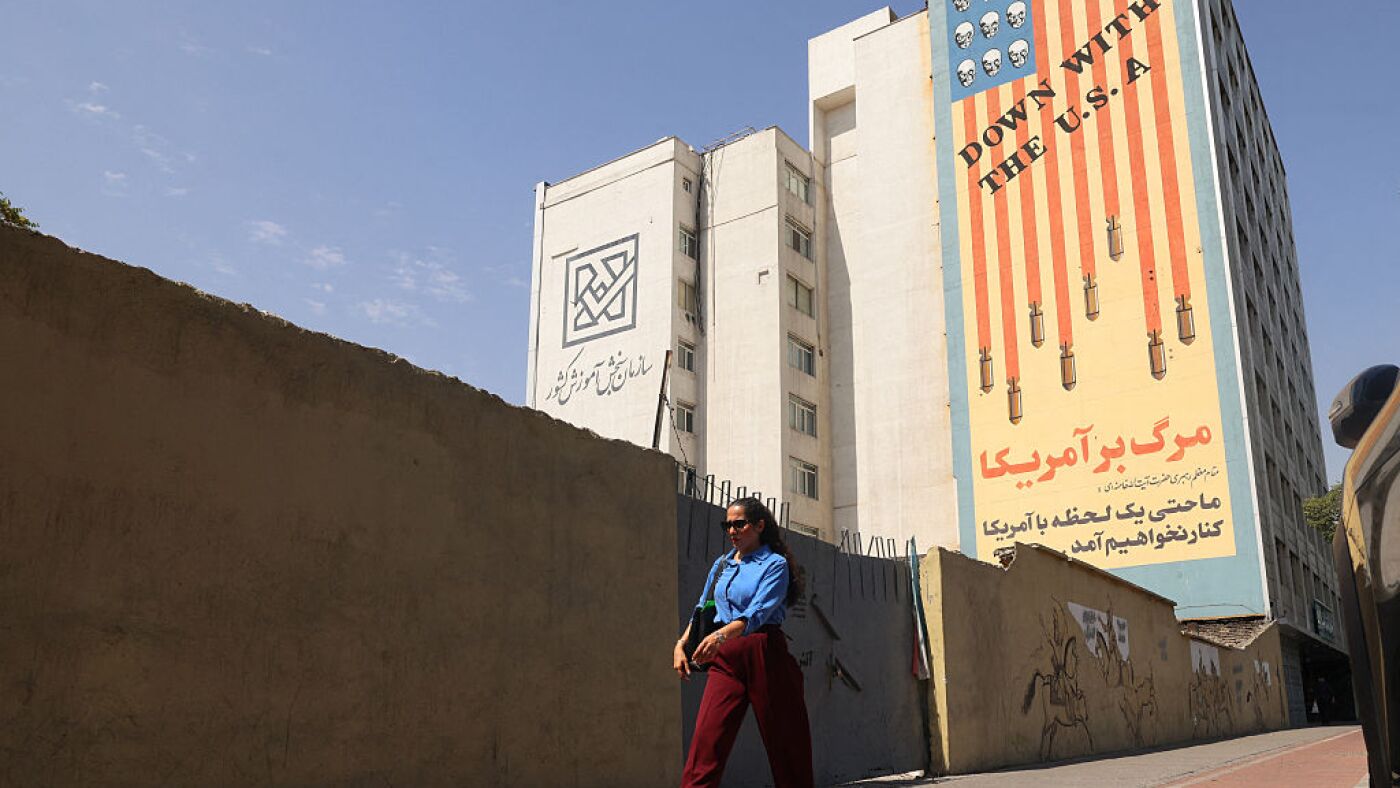
US and Iran Launch New Strikes Following Service Member Deaths
In a continuation of escalating military hostilities, the United States has executed airstrikes in Iran following the death of three U.S. service members. The fatalities occurred amidst ongoing combat operations that began on Friday, marking a significant spike in violence between the two nations.
Details of the Ongoing Conflict
The U.S. military’s recent operations were reported as part of a series of airstrikes conducted over nine consecutive days. These actions followed the breakdown of peace negotiations focused on the vital shipping route of the Strait of Hormuz.
U.S. Central Command confirmed that one service member was killed during a controlled detonation of an Iranian drone in Iraq’s Kurdistan Region. The identities of the deceased service members have been disclosed as 1st Lt. Tyler James Feehan, 25, from Ewa Beach, Hawaii, and Pvt. Isabella Gonzales, 19, from Carrollton, Texas. Both were killed in an attack on Muwaffaq Salti Air Base in Jordan.
The total number of U.S. military casualties in this conflict has now risen to 17. Conversely, Iran claims that approximately 3,000 of its citizens, including civilians, have lost their lives since wartime hostilities intensified on February 28.
In retaliation for U.S. strikes targeting Iranian infrastructure, Iranian forces launched attacks on Sunday that reportedly hit electricity installations and water desalination plants in Kuwait, a country that hosts a substantial U.S. military presence. Iran also claimed responsibility for disabling two oil tankers in the Strait of Hormuz that entered without permission, while missiles were said to have struck multiple Iranian cities early Monday local time.
The Iranian government asserted that its missiles targeted U.S. military aircraft at the airport in Aqaba, Jordan, claiming damage to several transport and command aircraft. The U.S. Embassy in Jordan has advised American citizens to avoid the airport and seaport due to security threats, although Jordanian officials have denied any immediate dangers.
As tensions rise, oil prices surged above $90 per barrel, reflecting the increased uncertainties in global energy markets.
Why It Matters
The ongoing conflict has significant implications for regional stability and international relations, given the roles both the U.S. and Iran play in Middle Eastern geopolitics. The situation underscores the volatility surrounding resource-rich regions like the Strait of Hormuz, essential for global oil supply.
Original reporting:
Read the original source