




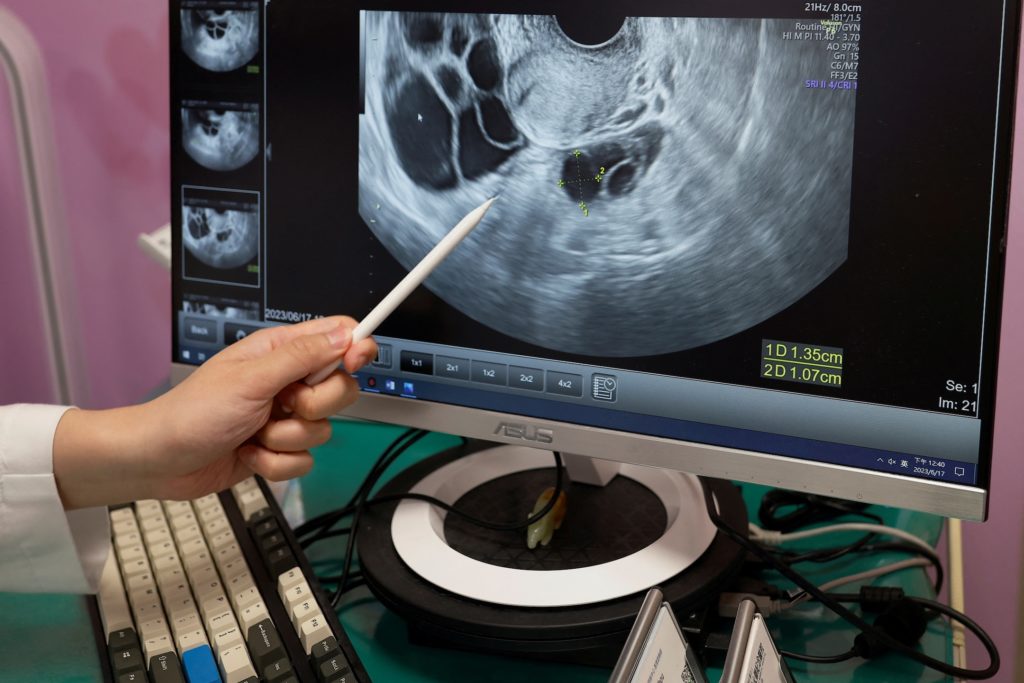
Recent research has significantly changed the understanding of ovarian cancer origins, revealing that nearly all fatal ovarian cancers begin in the fallopian tubes rather than the ovaries. This finding has implications for patient care and cancer prevention strategies, according to Dr. Rebecca Stone, a professor at the Johns Hopkins Department of Gynecology and Obstetrics.
New Insights on Ovarian Cancer Prevention
Ovarian cancer is known for its poor prognosis, often diagnosed at advanced stages. Cancer prevention organizations are now promoting the removal of fallopian tubes (salpingectomy) as a preventive measure for women who are not planning future pregnancies. This procedure can occur during other surgical operations, such as hernia repairs or C-sections.
Dr. Stone noted that research from the early 2000s identified a strong link between fallopian tubes and the development of the most common and lethal type of ovarian cancer. Evidence suggests that removing the fallopian tubes can lower the risk of developing tubo-ovarian cancer by at least 50 percent, with data from British Columbia indicating a potential risk reduction of up to 80 percent.
Despite the benefits, awareness of this procedure remains low among the public, and not all insurance plans cover it. This lack of coverage can leave women uncertain about whether their health plans will support the option of fallopian tube removal, which is often considered alongside tubal ligation during surgeries.
Dr. Stone emphasized the importance of increasing awareness of the benefits of fallopian tube removal, particularly among women who have completed their families. Women are categorized into two groups regarding ovarian cancer risk: those with an average lifetime risk of 1 to 2 percent, and those with a heightened risk due to family history or genetic factors, such as mutations in the BRCA1 gene, which can increase their lifetime risk to as much as 40 percent.
Choosing to remove fallopian tubes at the time of another planned surgery does not significantly increase the risks associated with the primary procedure. The additional time required for the fallopian tube removal is approximately eight minutes, and it generally does not affect recovery times.
Dr. Stone stated that if there was broader recognition and coverage for fallopian tube removal during surgeries, it could save nearly 2,000 lives annually in the United States from tubo-ovarian cancer and offer substantial healthcare cost reductions.
Why It Matters
This new understanding of ovarian cancer’s origins and preventive options highlights the importance of patient education in reducing cancer risks. Awareness and access to fallopian tube removal as a preventive measure can significantly impact women’s health outcomes and potentially save lives.