




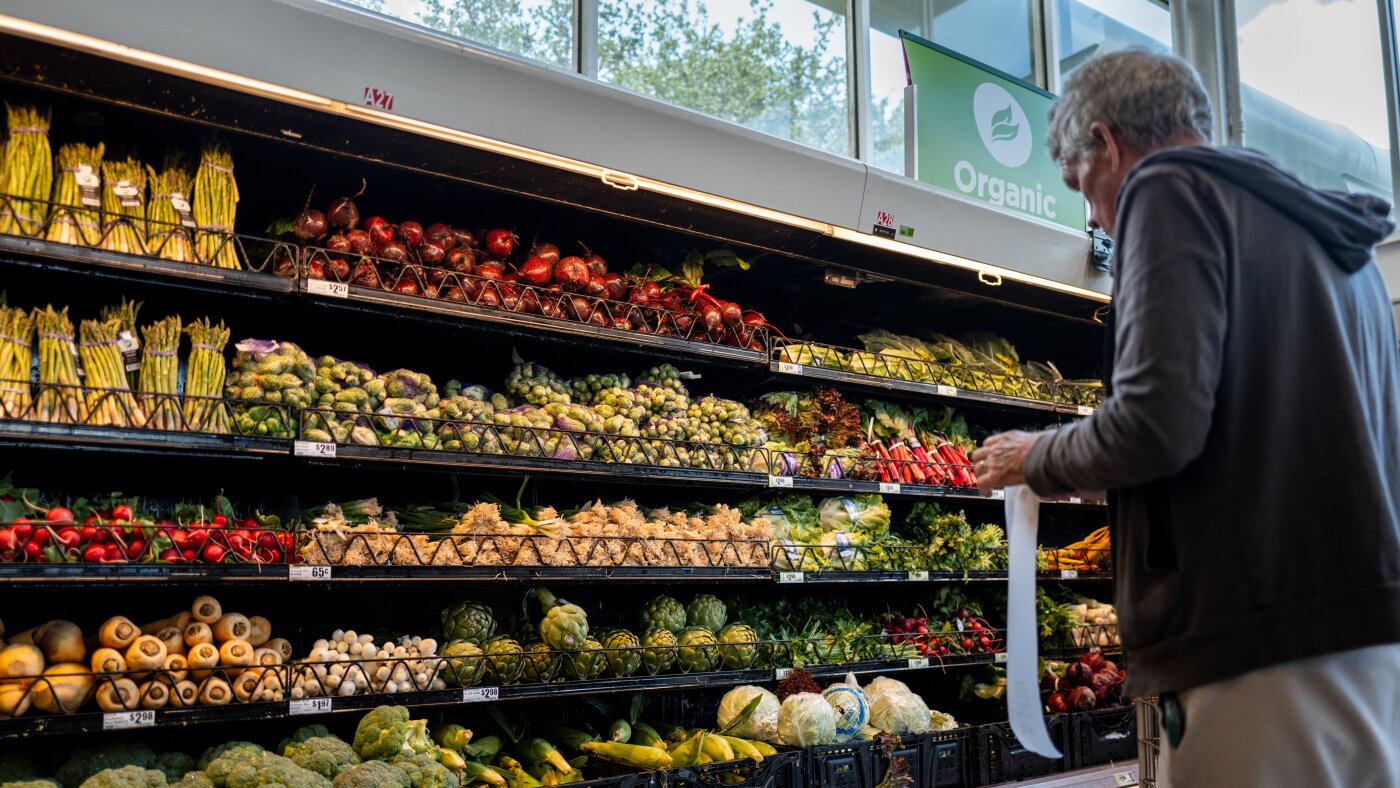
Rising Grocery Prices Prompt Changes in Shopping Habits Across the U.S.
Increasing grocery costs are forcing significant changes in the shopping behaviors of Americans, as many struggle to afford essential food items. According to recent data, food prices have risen by 33 percent since 2019, impacting consumer choices and financial stability.
Shifts in Consumer Behavior
Many consumers have adjusted their shopping routines in response to the rising costs. Some are modifying their diets or selecting different stores, while others are resorting to using savings or credit cards to manage their grocery expenses. An Urban Institute survey revealed that one in four individuals using credit cards for food purchases reported difficulties in meeting their payment obligations.
The trend raises questions about its broader implications for economic stability. The strain of higher grocery prices is not only affecting individual household budgets but also poses potential risks to the economy as a whole. The adjustments that consumers are making could indicate broader trends in spending and financial planning.
As grocery prices continue to climb, it remains uncertain how long these changes in consumer behavior will persist. The Federal Reserve and other economic analysts will likely monitor these trends closely to assess the impact on the overall economy.
This situation highlights the critical link between food prices and household financial health, as well as the ongoing concerns regarding inflation and its effects on daily life for many Americans.
Why It Matters
The rising cost of groceries is a pressing issue that affects not only consumer behavior but also economic stability at a national level. Understanding these trends can help policymakers and businesses adapt to the changing needs and capabilities of consumers, ultimately aiming to mitigate the burden of rising food prices.