




Trump’s Continued Scrutiny of Vandalism Case Dismissed by DOJ
President Trump’s administration has stepped away from its case against David “Davey” Hearn, who was charged with vandalism related to the Lincoln Memorial Reflecting Pool. The Department of Justice has since dismissed the charges against Hearn.
Despite the dismissal, President Trump alleges that the damage, including peeling paint and blooming algae in the Reflecting Pool, resulted from vandalism rather than from what prosecutors concluded as a faulty repair project. This has raised questions regarding the rationale behind the charges and the implications of Trump’s public statements on the matter.
The situation has drawn attention to the impact of public figures on legal proceedings, illustrated by the ongoing scrutiny from the President, who continues to reference the case. Analysts suggest that such high-profile involvement can influence public perception and legal processes significantly.
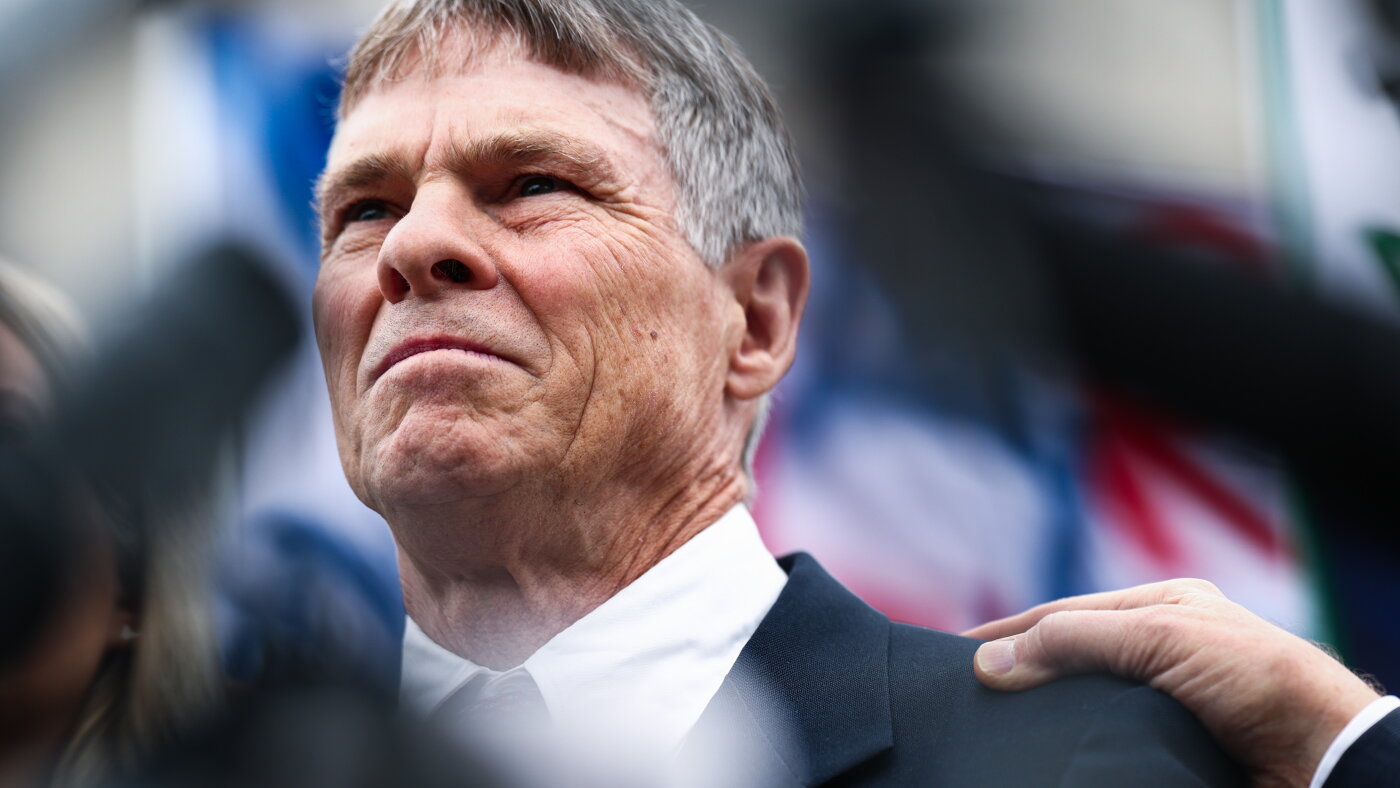
Recently, Hearn appeared at the Moultrie Courthouse in Washington, D.C., where he addressed reporters and protestors following his arraignment. He was joined by his attorney, Norman Eisen, as he spoke on the issues surrounding the case and its dismissal, although details of the press conference have not been widely released.
The reflections on the Reflecting Pool serve as a metaphor for the broader implications of executive attention on civil and criminal matters, highlighting the tension between political commentary and judicial independence. While Trump’s claims persist, legal experts caution against conflating politically motivated narratives with factual legal assessments.
Why It Matters
This case underscores the complex intersection of politics and justice, particularly in cases involving public figures. The President’s continued focus on the issue raises concerns about the influence of political sentiment on public perception and legal outcomes, emphasizing the need for clear boundaries between political commentary and judicial processes.
