




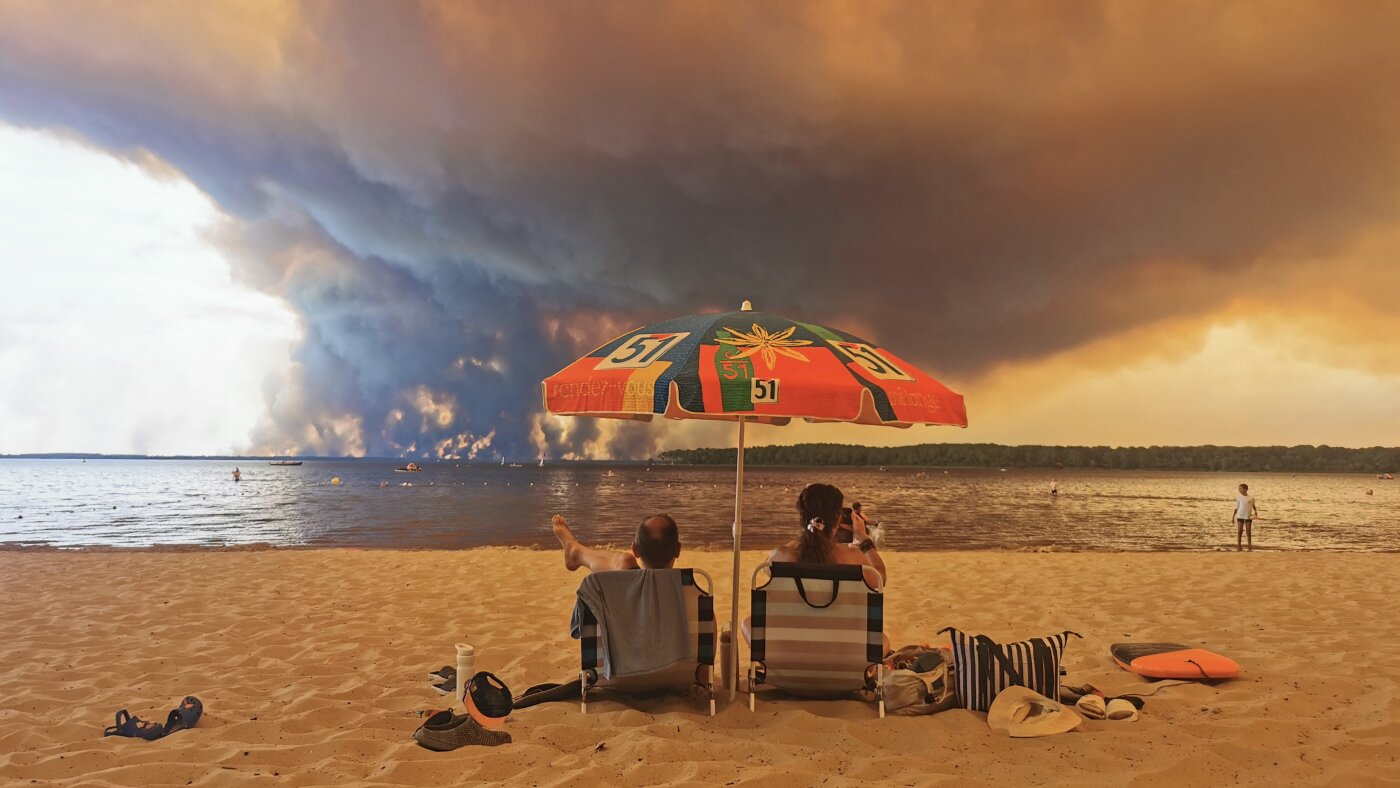
Severe wildfires are currently affecting extensive areas across Europe, leading to the evacuation of hundreds of thousands of residents. These incidents are part of a series of extreme weather events this summer, which scientists attribute to rising temperatures that increase the likelihood of wildfires.
Impact of Climate Change on Adaptation Efforts
Experts are now raising questions about the limits of adaptation strategies in the face of a rapidly changing climate. While communities have implemented various measures to cope with the increasing frequency and intensity of climate-related disasters, the effectiveness of these adaptations is being challenged as conditions continue to worsen.
The ongoing wildfires serve as a stark reminder of the urgent need to address climate change. Firefighters are working tirelessly to control the flames, while emergency services are focused on ensuring the safety of affected populations. Furthermore, climate scientists are calling for a reevaluation of adaptation strategies, suggesting that proactive measures may be insufficient if current trends persist.
Government officials and environmental organizations are emphasizing the importance of a multi-faceted approach to combat climate challenges. This includes not only immediate response efforts to disasters like wildfires but also long-term strategies aimed at reducing greenhouse gas emissions and enhancing community resilience.
As Europe grapples with these catastrophic events, the conversation around climate adaptation intensifies. The pressing question remains: at what point does adaptation cease to be viable, necessitating more drastic measures?
Authorities urge citizens to stay informed and prepared as the situation develops. Public awareness and cooperation are deemed crucial in tackling the climate crisis and mitigating future disasters.
Why It Matters
The intensity and frequency of climate-related disasters underline the urgent need for comprehensive climate action. Understanding the limits of adaptation is critical for developing effective policies and strategies to protect communities and the environment. As the situation in Europe unfolds, it serves as an important case study for global responses to climate change.
