




Exercises to Alleviate Pregnancy Discomfort
Pregnancy can bring a host of physical discomforts, including hemorrhoids, leg cramps, and sciatica, leading many to question whether such pains are normal. As the body adjusts to accommodate a growing baby, shifts in weight and changes in hormonal levels can result in various aches, according to pregnancy and postpartum physical therapists.
Physical therapist Krystle Howald emphasizes that many pregnancy-related pains can be alleviated or even prevented through targeted exercises. She recommends a systematic approach to strengthen key muscle groups across all trimesters. Engaging in two sets of her suggested exercises three times a week is advised as part of a comprehensive fitness regimen.
The Centers for Disease Control and Prevention (CDC) stipulates that pregnant women should aim for 150 minutes of moderate-intensity physical activity weekly, complemented by daily stretching. Certain signs, such as dizziness or chest pain, warrant immediate cessation of exercise, advises Dr. Ana Cepin, director of community women’s health at Columbia University Irving Medical Center.
Recommended Exercises for Each Trimester
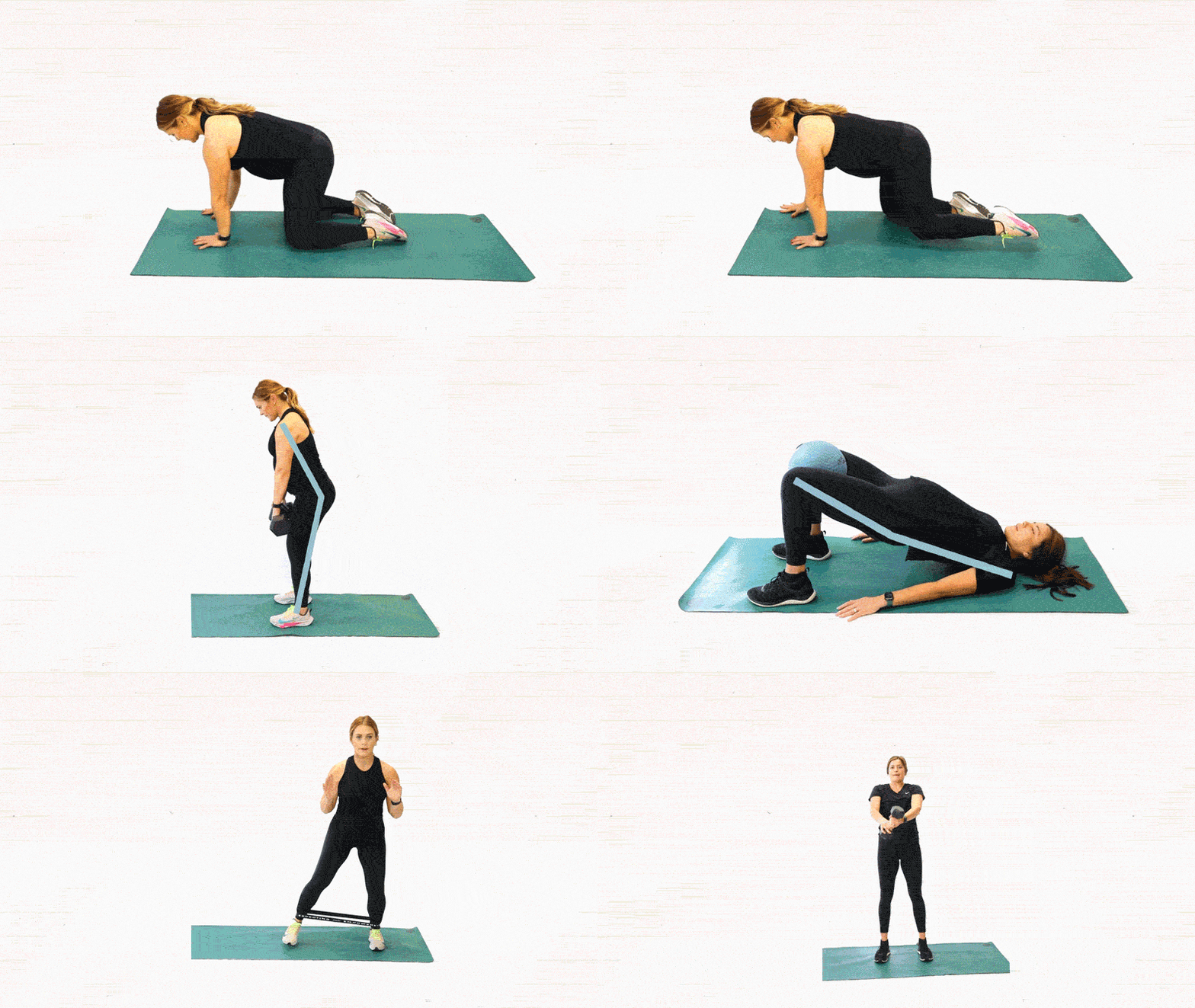
Howald outlines several effective movements tailored to alleviate pregnancy-related discomfort:
Banded Walks
This exercise helps maintain hip stability and strength. Standing with a resistance band above each ankle, participants step side to side for a set distance to keep tension on the band.
Glute Bridges
Performed on the back with feet flat and knees bent, glute bridges help strengthen the posterior chain. Participants raise their hips while engaging their core and squeezing a ball between their knees, if available.
Bird Dogs
This core-strengthening movement involves raising one arm and the opposite leg while in a tabletop position, promoting balance and stabilization of the spine.
Dumbbell Chops
Standing with a dumbbell held over one shoulder, individuals rotate their torso while bringing the weight down to the opposite hip, helping to strengthen the core and enhance functional movement.
In the third trimester, the focus shifts more toward preparing for labor. Recommended stretches such as happy baby, child’s pose, and diaphragmatic breathing can help promote pelvic floor flexibility, which is crucial as the delivery date approaches.
Why It Matters
Understanding and incorporating these exercises can help expectant mothers manage discomfort effectively during pregnancy, contributing to overall health and well-being. This proactive approach can pave the way for a more comfortable pregnancy experience and enhance resilience during childbirth.
