




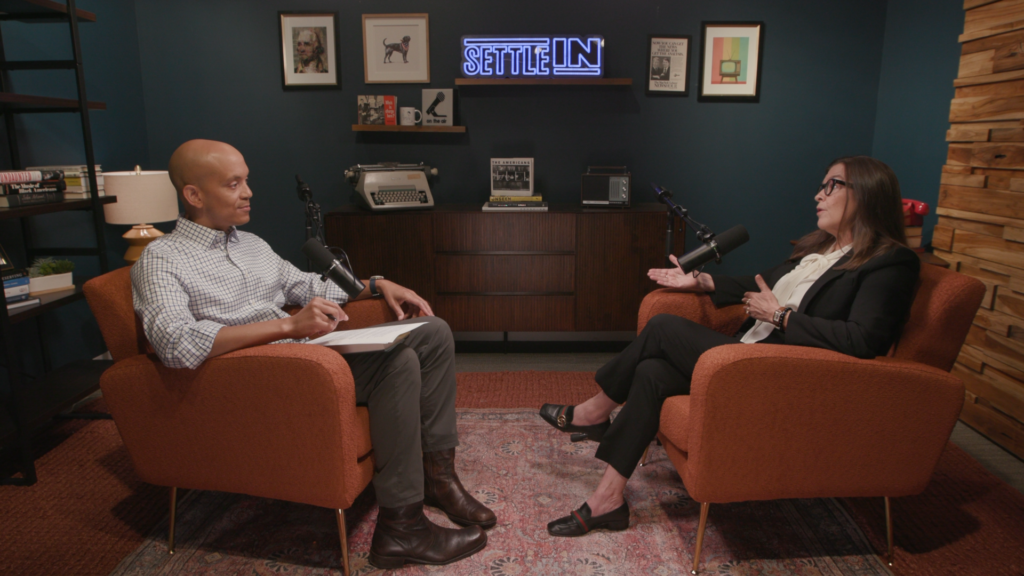
In a recent episode of PBS News’ podcast “Settle In,” Pulitzer Prize-winning author Annie Jacobsen discussed her latest book, “Biological War: A Scenario,” highlighting the potential dangers of engineered pathogens as significant national security threats. The conversation, hosted by Geoff Bennett, explored the implications of recent public health emergencies and the current state of preparedness in the United States.
Preparedness for Biological Threats
Jacobsen’s book posits a scenario centered around a genetically modified form of the plague, originally conceived by Soviet scientists during the Cold War. Unlike traditional treatments, this engineered strain is designed to be lethal when treated with expected antibiotics, presenting a chilling perspective on bioweapons.
The discussion also addressed concerns regarding the government’s capacity to respond to biological threats. Jacobsen pointed out recent outbreaks, including those related to lettuce contamination and hantavirus, as indicators of potential systemic weaknesses in public health response. She emphasized the importance of public awareness and informed action in demanding improvements in the existing framework for handling biological threats.
Jacobsen noted that the U.S. Department of Health and Human Services (HHS), which oversees biological incidents, operates with a budget significantly larger than that of the Department of Defense. Despite the substantial financial resources allocated to HHS, Jacobsen raised concerns about its overall effectiveness in managing outbreaks.
During the discussion, the author referred to insights gleaned from interviews with defense officials, who characterized biological threats as particularly alarming due to their accessibility. According to a Defense Department document cited by Jacobsen, biological weapons are considered one of the most significant threats because they can be manufactured with minimal expertise and resources.
The conversation also touched on the public’s role in preparing for potential biological threats. Jacobsen urged listeners to prioritize knowledge over panic, claiming that understanding these risks is vital to mitigating fear. She described the “fear of infection” as a central concern that could lead to chaos during outbreaks, further complicating the response efforts.
“Fear of infection will lead to anarchy and insurrection,” she remarked, suggesting that increased awareness among the public could help counter such reactions during emergencies.
For those interested, the full episode of “Settle In,” featuring Jacobsen’s insights, is available on PBS’s YouTube channel and various podcast platforms.
Why It Matters
As biological threats evolve, understanding their implications becomes crucial for national security and public health. Jacobsen’s insights highlight the need for improved preparedness and public awareness to safeguard against engineered pathogens and their potential consequences.