




The Senate has passed a bipartisan permitting reform bill, known as the Bipartisan American Affordability and Jobs Act (BAAJA), aimed at expediting approvals for major infrastructure projects. The legislation was approved by a vote of 62-33 on November 19, before lawmakers adjourned for the Thanksgiving holiday. Supporters claim the measure could lower costs by addressing permitting delays that often hinder energy, housing, and internet initiatives.
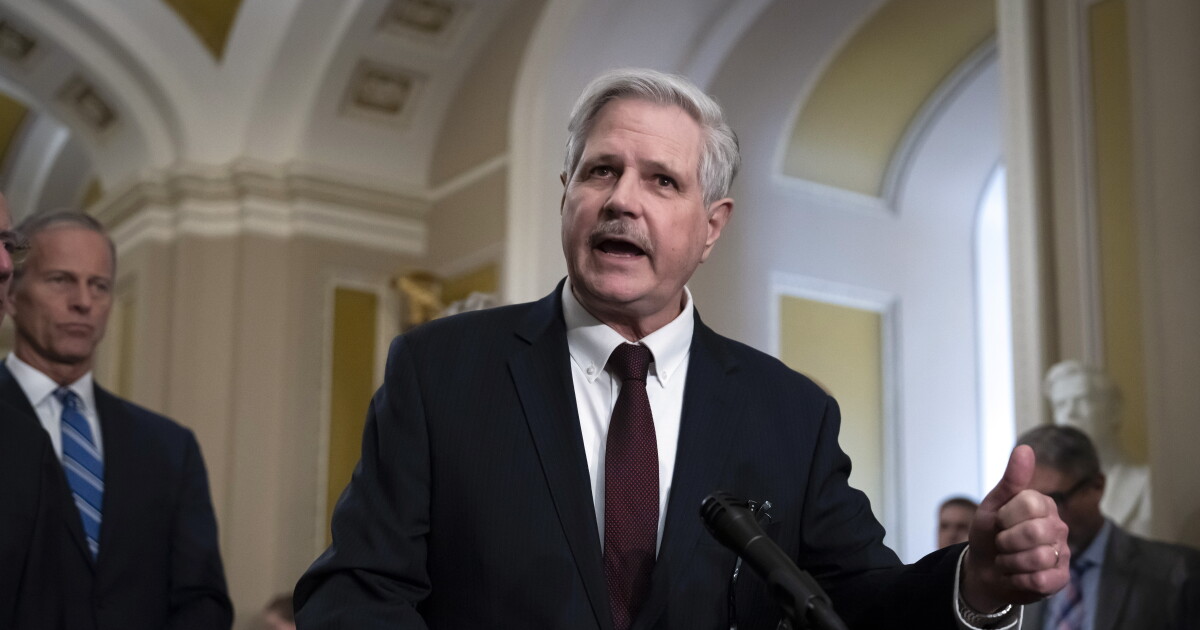
Proponents of the bill argue that it could accelerate the approval process for various projects, alleviating years-long wait times. Republican Senator John Hoeven of North Dakota emphasized the need for reform, stating, “There’s about $1.1 trillion worth of projects that are awaiting approval right now across the country. This permitting reform gets those projects going.”
The BAAJA aims to streamline the approval process by tackling prolonged environmental reviews and reducing litigation hurdles. Joe Lippino-Esposito, the director of federal policy for the Pacific Legal Foundation, pointed out that existing legal challenges frequently obstruct project progress. “It’s taking away the never-ending litigation of people who just want to stop every project just for the sake of stopping every project,” he said.
A report from the Pacific Legal Foundation indicated that the average timeline to open a new mine in the U.S. is 29 years, which is among the longest globally. Lippino-Esposito noted that such delays contribute to higher costs associated with limited supply.
However, the bill has met resistance from some House Democrats and environmental advocates, who are concerned it could weaken environmental protections. Democratic Congresswoman Melanie Stansbury of New Mexico has voiced strong opposition, calling for rejection of the bill in its current form. She highlighted potential negative impacts on Mount Taylor, a site regarded as sacred by several Native American tribes, especially regarding a proposed uranium mine.
Stansbury stated, “The risks and downsides of this bill are not worth it,” and questioned whether expediting infrastructure projects justifies potential harm to important cultural sites. “Why would we take the risk of allowing a few extra transmission projects to go through for the permanent destruction of a sacred site? It is not worth it. The risk is not worth it,” she added.
The House is expected to consider the bill when Congress reconvenes next week. It may advance without Democratic support if a substantial number of Republicans are in favor.
