




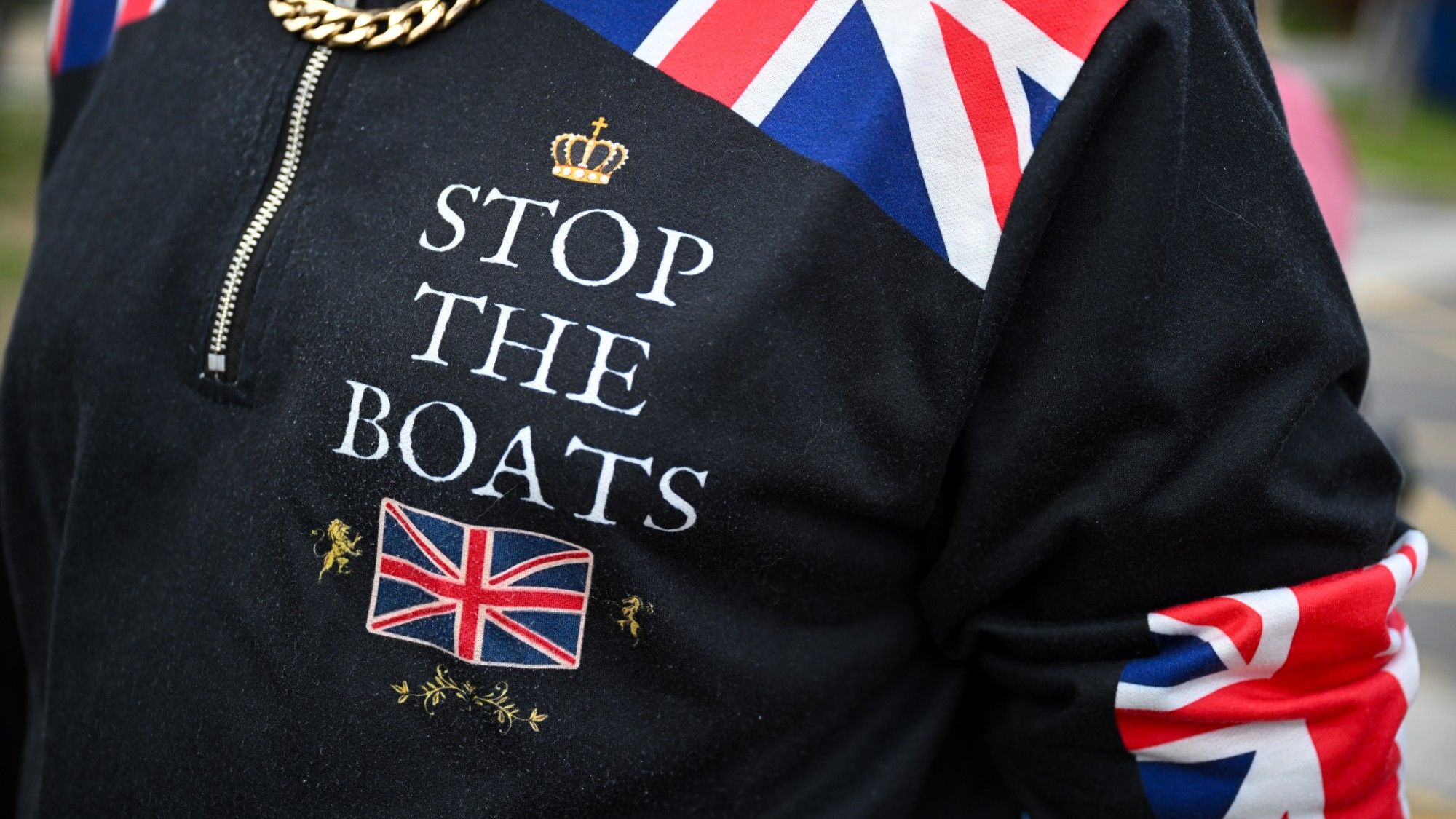
Protests targeting asylum seekers occurred over the weekend in Dover and Portsmouth, as groups mobilized to express their opposition to migrant arrivals by sea. The demonstrations involved coordinated actions by far-right organizations, culminating in significant disruptions at key transportation hubs.
Protests in Dover and Portsmouth
On Saturday morning, a large contingent of individuals, dressed in black and wearing balaclavas, gathered around Dover port. These protesters obstructed access to the ferry terminal and chanted slogans such as “Stop the boats” and “Whose streets? Our streets!” Their actions halted operations at the UK’s busiest ferry port for several hours.
The following evening, another group assembled near a beach in Portsmouth, attempting to prevent lifeboat crews from disembarking with 140 asylum seekers. This action signified a continuation of tensions surrounding immigration and public sentiment towards those seeking asylum in the UK.
The protests were organized by a collective known as Patriot Platform, which claims to advocate for the protection of British values and families. However, critics have raised concerns regarding the backgrounds and motives of its leadership, which includes individuals with criminal histories. Reports from various commentators suggest that the manifestations of these protests reflect a broader trend of vigilantism within segments of British society.
Observers have drawn parallels between the recent protests and historical instances of far-right activities in the UK, suggesting that the tactics employed resemble those seen in previous extremist movements. This resemblance has led to deeper questions about public tolerance of such demonstrations and their impact on societal norms.
While some argue that concerns over illegal immigration are valid and rooted in public anxiety, others contend that aggressive demonstrations that disrupt public order are unacceptable. Amidst this backdrop, the political discourse has been characterized by a growing divide, with accusations of fear-mongering and radicalization surfacing in discussions about immigration policy.
Political analysts note that despite an overall decrease in small boat crossings to the UK in recent months, the narrative around immigration remains volatile. The protests in Dover and Portsmouth seem to reflect an unsettling readiness among some citizens to take action outside the bounds of established legal and democratic frameworks.
Why It Matters
The recent protests signal a significant shift in the public landscape regarding immigration in the UK. As tensions rise, the methods employed by protesters may challenge existing legal frameworks and ethical boundaries in civil discourse. The situation raises critical questions about how societies negotiate fundamental rights, public safety, and the treatment of vulnerable populations seeking refuge.
