




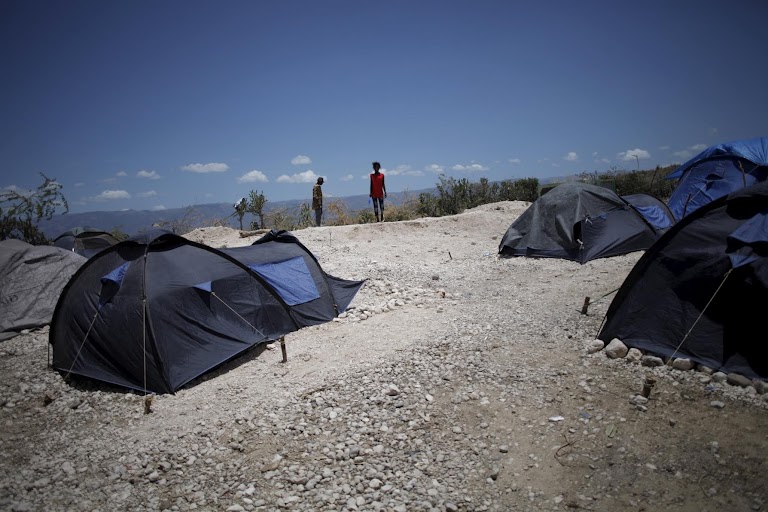
Tens of thousands of Haitians and Haitian-Dominicans have returned to Haiti amid stricter immigration policies in the Dominican Republic. Many of these returnees have reportedly taken refuge in inadequate camps in southern Haiti, where current estimates indicate that the population has reached at least 2,000 individuals and is continuing to rise.
Returnees Flee Intimidation and Uncertainties
It is estimated that approximately 1 million individuals originally from Haiti reside in the Dominican Republic, which shares the Caribbean island of Hispaniola with Haiti. Recent tensions between the Dominican and Haitian communities have heightened, particularly following a 2013 court ruling which revoked Dominican citizenship for children born to undocumented immigrants, a decision that predominantly affected individuals of Haitian descent.
In response to international concerns over the treatment of Haitian migrants, the Dominican Congress passed legislation allowing some migrants to apply for residency, with a deadline set for June 17. The Dominican government reported that 289,000 applicants were granted permission to remain in the country for up to two years last month. However, media reports indicate that deportations continue, with five individuals of Haitian descent sent back to Haiti on August 15.
Returnees in the camps have varied accounts of their departure from the Dominican Republic, with some indicating they were coerced into leaving while others chose to abandon their homes and assets. Many of these returnees now face significant hardships as they lack adequate shelter and resources.
Haitian President Michel Martelly has characterized the situation as a humanitarian crisis. The camps, reliant on aid from various organizations and church groups, are expanding as they attract more returnees along with impoverished individuals from surrounding areas seeking food and assistance.
Frantz Pierre Louis, general secretary of Haiti’s Southeast Department, noted that officials are actively working to resettle individuals residing in the camps by determining their original home locations within Haiti. Government agencies are conducting surveys to gather this information effectively.
Why It Matters
The return of Haitian migrants from the Dominican Republic is raising significant humanitarian concerns in Haiti, exacerbating the already challenging living conditions in a country that struggles with poverty and infrastructure issues. The situation requires urgent attention from both local authorities and international organizations to address the needs of those affected.
