




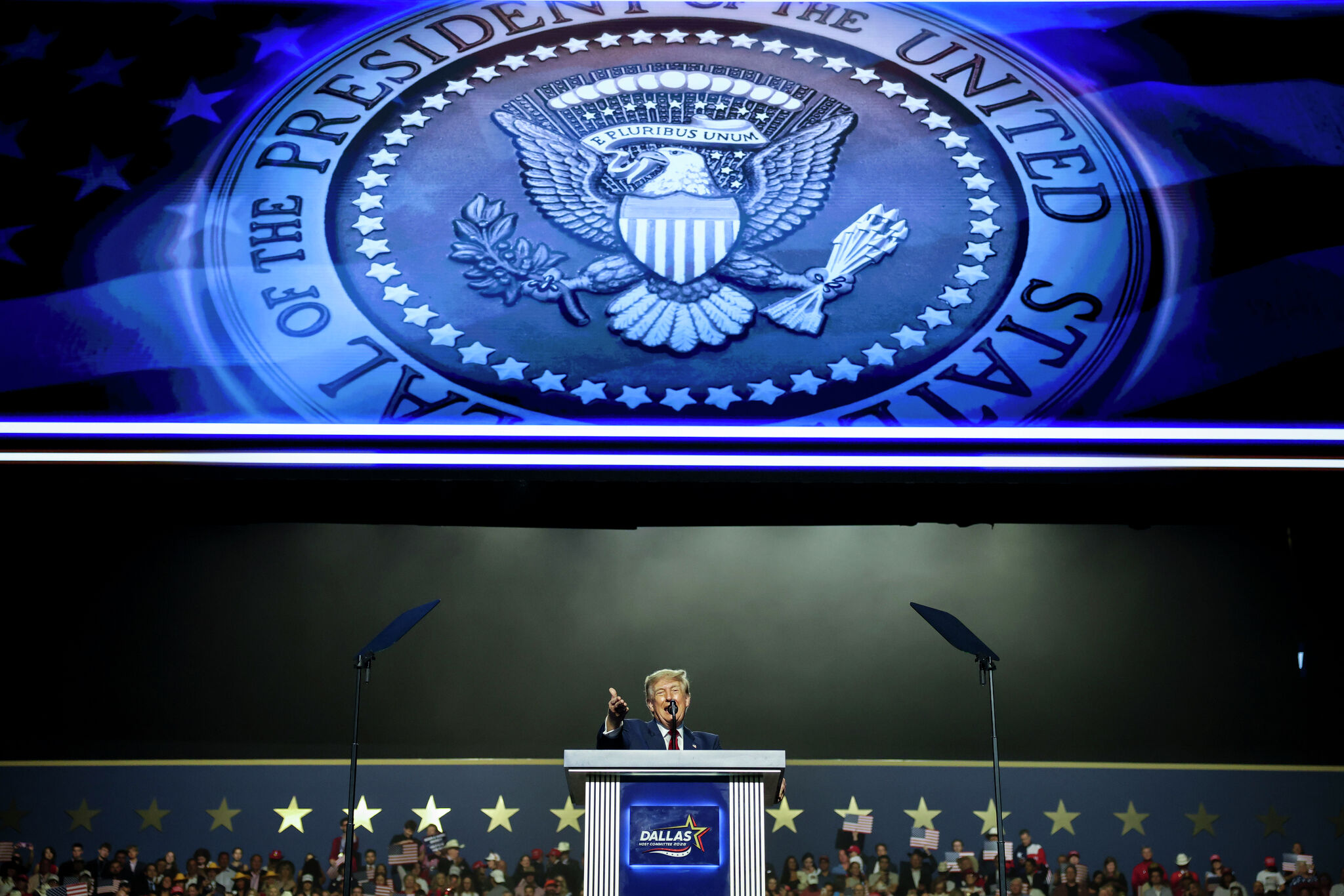
In a display of partisan enthusiasm, the recent Republican Convention held in Dallas has sparked a range of reactions, particularly from Democratic leaders. While Democrats have characterized the event as a show designed to serve the interests of former President Donald Trump, political analysts are assessing whether Trump achieved his goals during the convention.
Key Wins for Trump Amidst Critical Responses
Democrats have referred to the gathering as a “Trumpapalooza,” suggesting it primarily aimed to bolster Trump’s image rather than focus on broader party objectives. Despite this, Trump appears to have secured several strategic victories that he hopes will influence the Republican Party’s standing in the upcoming midterm elections.
One significant aspect of the convention included a continuous focus on Trump’s past accomplishments. Speakers emphasized issues ranging from immigration policy to economic growth, as evidenced by a booming stock market and significant tax reforms. This emphasis aligns with Trump’s prior assertion that many presidential successes tend to be overlooked during midterm cycles, prompting him to leverage the convention to remind voters of his administration’s achievements.
Brandon Rottinghaus, a political science professor at the University of Houston, noted that the event garnered substantial media attention, which could help energize Republican voters as they prepare for the elections. He acknowledged that while casual voters may not have engaged with the convention, Trump aimed to galvanize an activist base and prop up candidates facing challenging races.
To amplify this message, Trump encouraged attendees to “pretend that I’m on the ballot,” explicitly asking for emotional and electoral support for Republican candidates in critical districts. This approach reflects Trump’s concern about maintaining momentum within the party, especially in the absence of his name directly appearing on the ballot.
Additionally, the convention showcased Trump’s favored candidates in key races, with individuals like Ken Paxton and Vice President J.D. Vance receiving important speaking slots. Vance capitalized on the occasion to align himself as a potential future leader, reminiscent of Trump’s style, eliciting enthusiastic responses from the crowd.
However, Democratic leaders remain skeptical about the convention’s effectiveness in altering voter sentiment. Illinois Governor J.B. Pritzker decried the event as insufficient to sway public opinion, arguing that it fails to address the GOP’s lack of substantive accomplishments necessary to earn voter trust. Pritzker, along with others in the Democratic party, is considered a possible contender for the 2028 presidential race, underscoring the ongoing political rivalries that will play a role in shaping future elections.
As the midterm elections approach, the implications of this convention—both for Republican unity and voter engagement—continue to be a focal point of analysis.
Why It Matters
The Republican Convention highlights the strategic efforts by Trump and the party to consolidate support ahead of the midterm elections. While the event showcased Trump’s influence and set the stage for specific candidates, the effectiveness of these strategies remains to be seen as the electorate prepares to vote. The differing perspectives from both parties regarding the convention’s impact underscore the polarized political landscape leading into November.
