




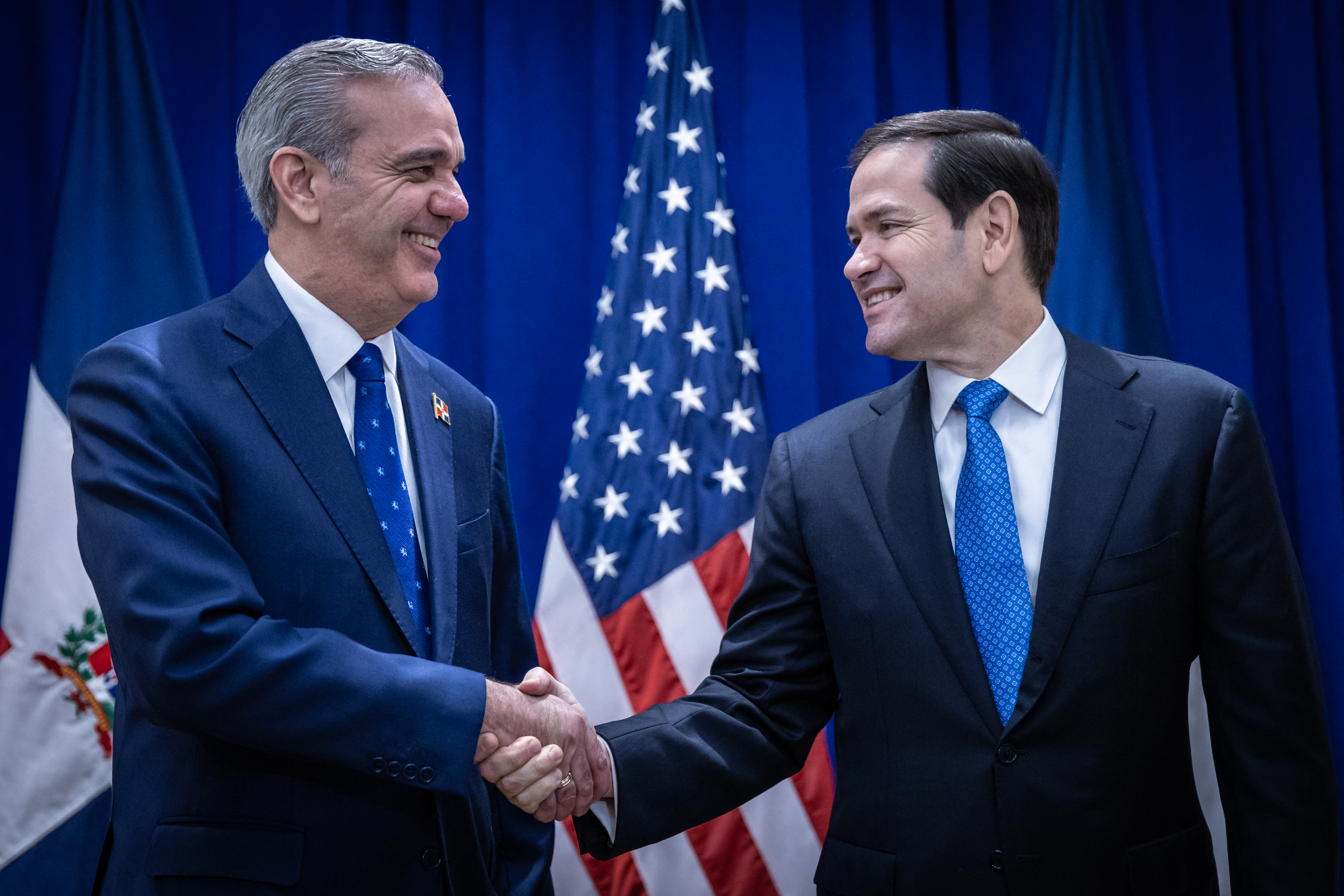
Photo by Stefan Jeremiah / POOL / AFP) (Photo by STEFAN JEREMIAH/POOL/AFP via Getty Images
The Dominican Republic has entered into a cooperation framework with the United States focusing on critical minerals and rare earths. Signed on September 10, the agreement lacks binding legal obligations for either party and functions more as a roadmap than a binding contract, as confirmed by Dominican reporting. This initiative aims to establish joint interests in mining projects, develop financing avenues, and enhance market protection for critical minerals, but lacks specific financial commitments. The widespread implications of the agreement are particularly significant for the impoverished province of Pedernales, home to what is described as one of the largest untapped rare-earth deposits in the region.
A Roadmap, Not a Financing Deal
The agreement, signed by Foreign Minister Víctor-Ito Bisonó and U.S. Ambassador Leah F. Campos, emphasizes a long-term vision for collaboration between the two governments. However, both parties are not obligated to take further action if they choose not to. The framework aligns with Washington’s broader strategy to lessen reliance on China’s processing of rare earths, marking it as one of at least 27 similar agreements the U.S. has signed globally.
Initial reports misattributed conflicting tonnage estimates of the Pedernales deposit. President Abinader provided an initial estimate of approximately 100 million tons in February 2025, which he later increased to 150 million tons in February 2026. These figures were not derived from differing official sources but directly from presidential statements.
Martín Valerio, representing the trade group Camiperd, cautioned that the presence of these minerals does not guarantee their commercial viability. A feasibility study to assess the commercial prospects of the Ávila deposit is not anticipated until 2027, leaving the current mining workforce—numbering around 7,332—unaffected by any forthcoming rare-earth production.
The Diaspora’s Real Question: Jobs or Just Geology?
Past promises of economic transformation in Pedernales have raised skepticism amongst residents. Previous projects, including tourism initiatives and plans for a spaceport, have frequently altered job creation estimates without clear explanations, leading to uncertainty in the local community. The development of the rare-earth sector has also raised concerns about land tensions, with reports of evictions impacting local farmers in the area.
The Dominican Republic has been studying the geology of Pedernales since 2010, with the government creating a dedicated state mining company in 2024 to manage exploration efforts. Upcoming legislative changes are expected to reshape mining regulations, but until a definitive feasibility study is conducted, the framework signed recently remains primarily aspirational.
Why It Matters: The cooperation framework between the Dominican Republic and the United States represents a potential turning point for local communities, particularly in Pedernales, where residents are waiting for tangible benefits from the country’s mineral wealth. However, without binding commitments or an immediate path to job creation, skepticism remains about the real impact of such agreements on the ground.
