




Russia’s recent proposal to include European nations in peace negotiations regarding Ukraine has drawn scrutiny, with some experts warning against viewing it as a genuine shift in strategy. On October 25, Yuri Ushakov, a senior aide to President Vladimir Putin, suggested that Europe’s involvement in the discussions could significantly impact the negotiation outcomes. However, analysts argue that this could be a tactical maneuver by Moscow to redefine the focus from ending the war to discussing the future of European security.
The Kremlin has long opposed European participation in these talks, which suggests that its new stance may not reflect a fundamental change but rather an attempt to draw Europe into a dialogue that raises questions about NATO and the broader security landscape in Europe. Historically, Russia’s ambitions have extended beyond Ukraine, as evidenced by Putin’s criticisms of the post-Cold War European security architecture since the 2007 Munich Security Conference.
Experts contend that Europe’s response to this negotiation tactic is critical. Russia may appear weaker compared to Europe collectively, but experts caution that the Kremlin can capitalize on divisions among European nations. Without a unified approach, individual countries could struggle to effectively counteract Russian influence.
Two Tracks for Europe and Ukraine
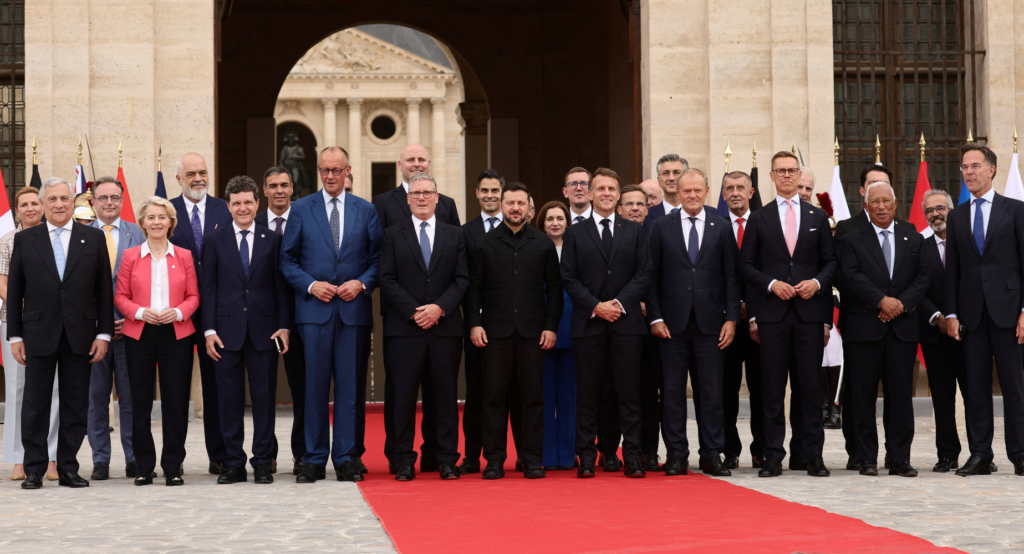
As the conflict in Ukraine unfolds, analysts stress the importance of establishing a robust European-Ukrainian defense platform. This initiative would not only address immediate military needs but also solidify Europe’s position as a legitimate party in negotiations, rather than merely an invited participant. European leaders are increasingly labeling Russia as an “enemy,” suggesting a shift toward recognizing the necessity of a coordinated defense strategy.
The proposed two-track strategy involves diplomatic talks with Russia aimed at ending the conflict alongside the simultaneous development of a joint European-Ukrainian defense framework. Having both strategies operate side by side, with the military platform prioritized, is seen as essential for negotiating from a position of strength.
Europe’s significant financial resources and industrial capabilities could enhance Ukraine’s battlefield expertise, creating a more effective joint defense strategy. By collaborating closely, the two regions could streamline defense needs and eliminate redundant expenditures, fostering a more cohesive effort against Russian aggression.
This new defense platform would prioritize specific projects over bureaucratic structures, ensuring a dynamic response to threats and technological advancements. It aims to engage Ukraine as an equal partner in defining strategic priorities, reflecting its experience in confronting Russian military actions directly.
While this initiative is not intended to replace NATO’s collective defense framework, it offers nations willing to collaborate an opportunity to enhance their security capabilities without interference from individual governments. Furthermore, a unified Europe would enhance its political agency and presence at the negotiating table, allowing it to defend its interests more effectively.
Ultimately, the establishment of this defense alliance could create a foundation for lasting peace on the continent, demonstrating to Russia that any further aggression would be met with a coordinated and robust response from a unified Europe and Ukraine.
