




Recent discussions have highlighted the increasing prevalence of inaccuracies in AI-generated science content. Experts are raising awareness about the distinctive signs of such “AI slop,” which can mislead readers and spread misinformation.
Identifying AI-Generated Content
AI-generated content, particularly from large language models (LLMs) like ChatGPT, is often more prone to factual errors than human-written content. Analysts emphasize the importance of recognizing specific signs that may indicate AI involvement. Many users mistakenly assume AI-generated text is more accurate due to its readability. This assumption is concerning as it can indirectly bolster profit for AI companies reliant on user engagement with their tools.
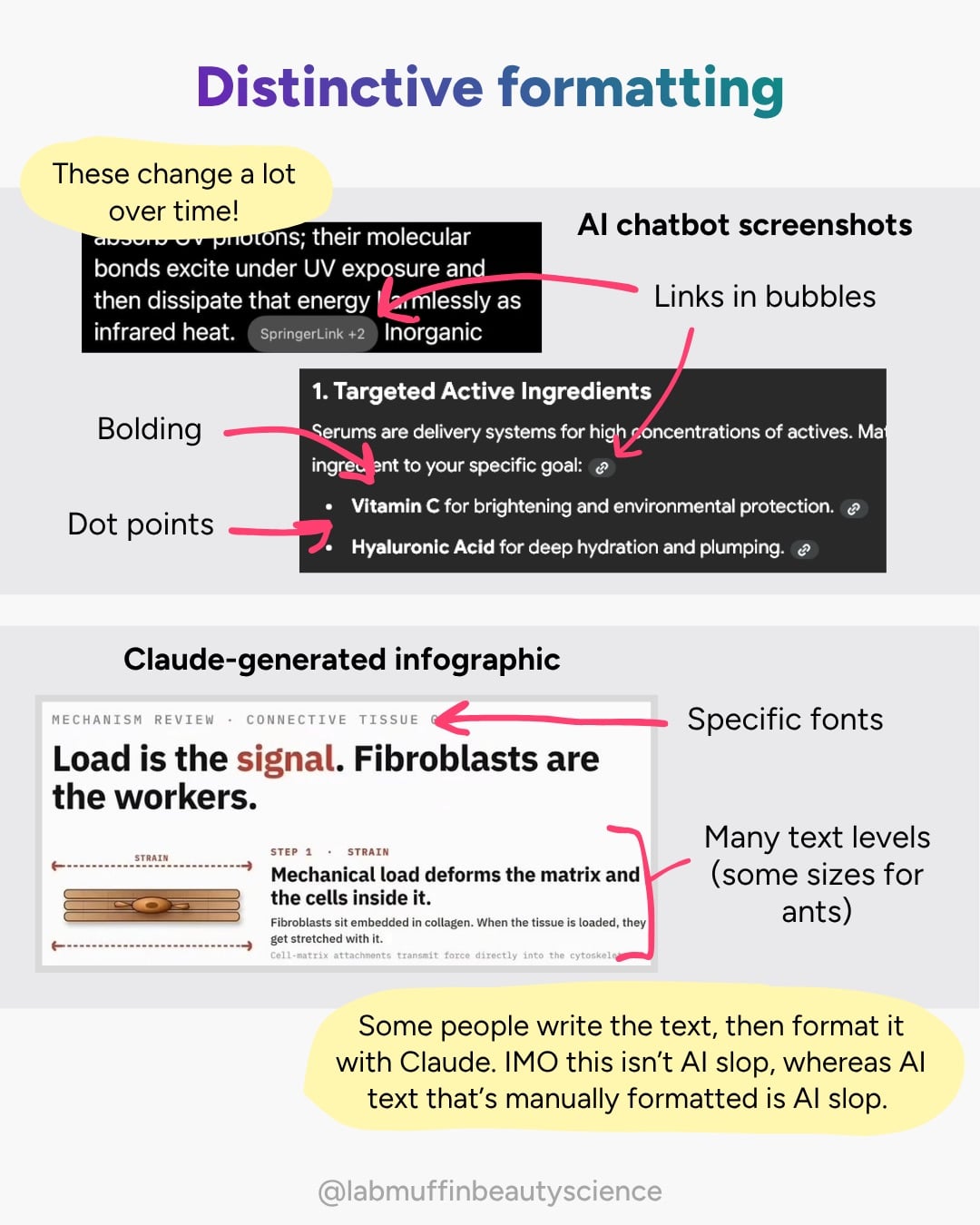
Common indicators of AI-generated text include unusual linguistic patterns, such as an overuse of certain phrases or formatting styles. For instance, structures like “It’s not ___, it’s ____” or lists of three items often appear in AI-generated writing. Moreover, excessive bullet points and emojis may signify AI usage as well. Users are advised to be cautious if they notice a significant deviation from a typical author’s style, which could suggest automated content generation.
The phenomenon is exacerbated by the rapid production capabilities of AI systems. Individuals who generate large volumes of posts across various topics with seemingly effortless confidence may be relying heavily on AI tools. This can lead to a dilution of rigorous research and fact-checking, especially in scientific discussions that require a nuanced understanding of complex topics.
Moreover, experts warn that the continued reliance on AI for content creation can foster a lack of discernment among users regarding the limitations of these tools. Some may naively believe that AI is universally applicable, thereby potentially contributing to the spread of unreliable information.
As a response to this trend, experts urge consumers of content to verify the reliability of the sources they encounter. Distinguishing between human writing and AI slop is essential for maintaining informed discussions, especially in the context of science communication. They recommend checking for inconsistencies within the text and contrasting it against credible sources to assess its accuracy.
Why It Matters
Understanding how to identify AI-generated content is crucial for fostering accurate information-sharing, particularly in scientific discourse. As technology evolves, the potential for misinformation increases, making it imperative for individuals to critically evaluate the content they consume and share.
