




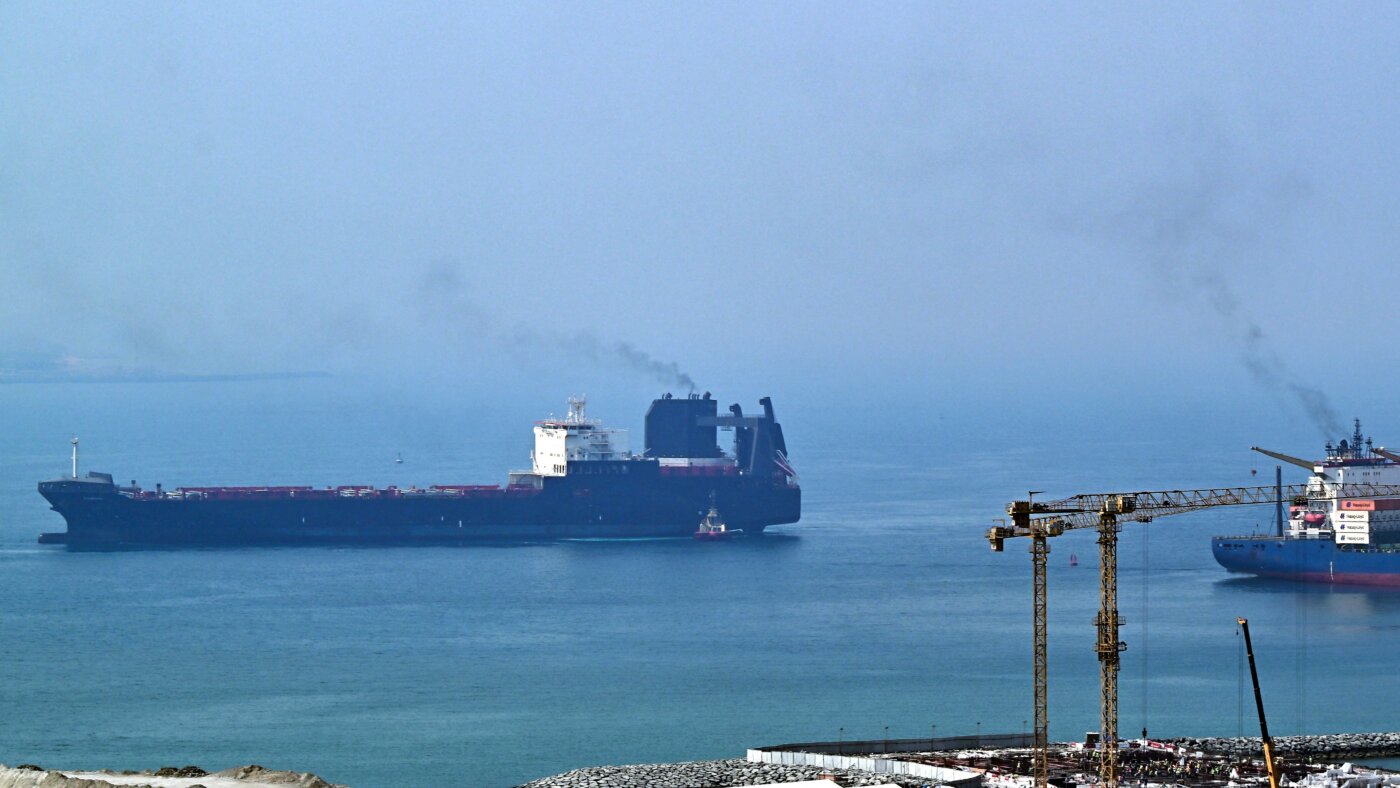
As tensions escalate in the Middle East, U.S. and Iranian forces have engaged in a series of strikes for the sixth consecutive day. This ongoing conflict centers on the strategic Strait of Hormuz, a vital conduit for global oil shipments. The clashes mark a significant shift in the relationship between the two nations, with both sides attempting to exert control over this crucial maritime area.
Developing Military Engagements
According to Negar Mortazavi, a senior fellow at the Center for International Policy, the intensity and frequency of the exchanges indicate a heightened state of conflict. The situation has drawn international attention, as analysts monitor military movements and diplomatic efforts to de-escalate tensions.
In the U.S. political landscape, a noteworthy shift occurred in the Democratic Party as nearly half of House Democrats voted to terminate billions of dollars in aid to Israel. This decision signifies a pivotal moment in the party’s longstanding support for the country, eliciting various responses from political analysts and advocates.
The ramifications of these developments are manifold, impacting international relations and domestic policies in both the U.S. and the Middle Eastern region. The U.S.’s involvement in the ongoing conflict and military support arrangements will likely come under renewed scrutiny as debates around foreign aid evolve.
Meanwhile, the sports world is also abuzz, as the 2026 FIFA World Cup approaches its climax with only two matches remaining. Notably, the performance of Argentinian star Lionel Messi and the fate of his team are focal points, raising questions about whether they can clinch the title or if Spain will emerge victorious, securing their first championship since 2010.
As the international community watches closely, the interconnectedness of these events underscores the complexity of geopolitical dynamics and their influence on both foreign policy and public sentiment.
Why It Matters
The ongoing conflict in the Strait of Hormuz highlights the fragility of international relations in the region, especially regarding energy security and military engagements. The shift in U.S. foreign aid policy signals potential changes in alliances, which may reshape both domestic and international political landscapes. These developments merit careful observation as they could have lasting impacts on global stability.