




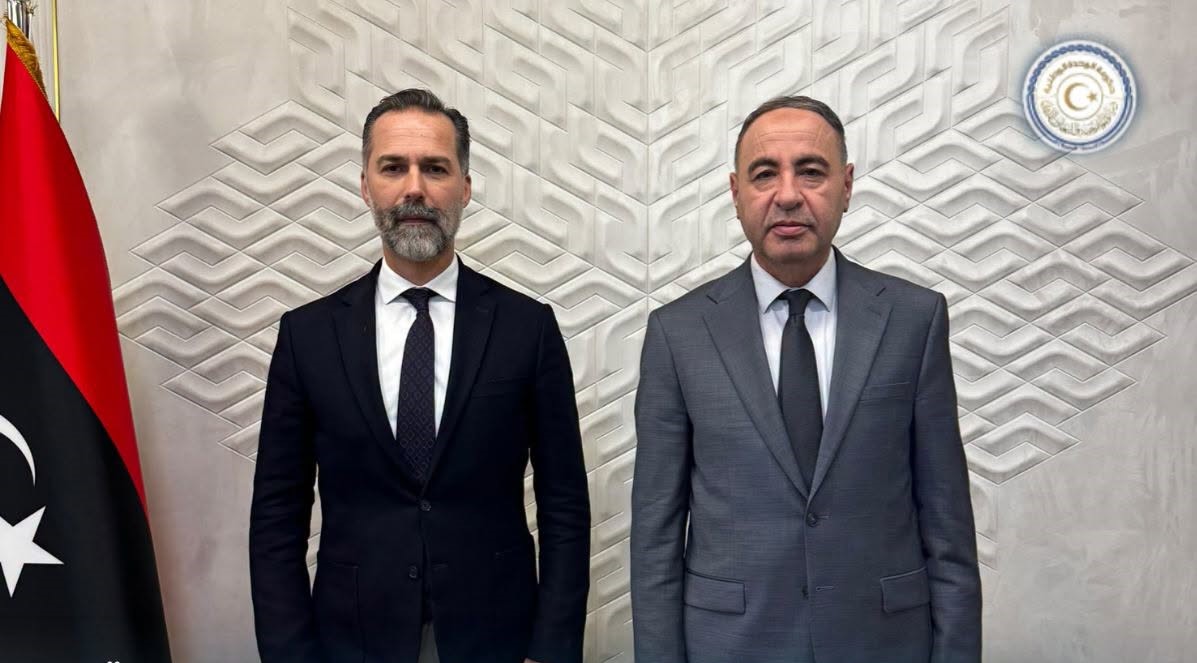
Libya is set to host the fourth Africa-Turkey summit in Tripoli on December 8 and 9, 2026, as announced by the Libyan foreign ministry on November 24. Acting foreign minister Taher al-Baour made the announcement following a meeting with Turkish Ambassador Guven Begec to discuss preparations for the upcoming event.
These dates mark the first official confirmation for the summit, which the African Union designated to Libya last year. The event will position Libya, which is currently divided between rival authorities, at the forefront of a significant collaboration between African nations and Turkey.
During their meeting, al-Baour and Begec focused on the logistics of the summit and strategies to enhance coordination to ensure its success, as reported by the Libyan News Agency (LANA). They also talked about opportunities for increasing bilateral cooperation across various sectors. Specific details regarding which heads of state or government will attend the summit were not disclosed.
Africa-Turkey Partnership Summit Overview
The Africa-Turkey summit serves as the primary meeting for the Africa-Turkey partnership, which involves collaboration between the African Union and Turkey. The first summit took place in Istanbul in 2008, followed by sessions in Malabo, Equatorial Guinea in 2014, and Istanbul again in December 2021, where a joint action plan for 2022-2026 was adopted. Libya was granted the right to host the 2026 summit during the AU’s 38th summit held in February 2025, according to Turkey’s Anadolu Agency.
As Turkey has expanded its influence in Africa over the past two decades through various initiatives, this summit is expected to evaluate the previous action plan and identify priorities moving forward. Turkey’s growing presence includes establishing embassies, increasing flight routes via Turkish Airlines, engaging in construction contracts, and providing military supplies such as drones.
For Libya’s Government of National Unity, led by Prime Minister Abdul Hamid Dbeibah, hosting numerous African delegations presents a significant test of both security and organizational capacity in Tripoli. It also poses an opportunity for the Libyan authorities to establish themselves as a voice on the international stage.
Libya has faced divisions since 2014, with competing governments in Tripoli and the east supported by the House of Representatives and Khalifa Haftar’s forces. Recent tensions arose following explosions at Benghazi’s port on November 22, prompting the eastern authorities to request a UN investigation. The Tripoli foreign ministry responded to Ukraine’s claims regarding the incident shortly thereafter.
Looking ahead, officials and foreign ministers will engage in preparatory meetings ahead of the leaders’ session. However, as of November 25, no announcements regarding the summit dates have been made on the AU Commission’s or the Turkish foreign ministry’s websites. Attendance lists and the summit agenda are expected to be released in the upcoming months.
