




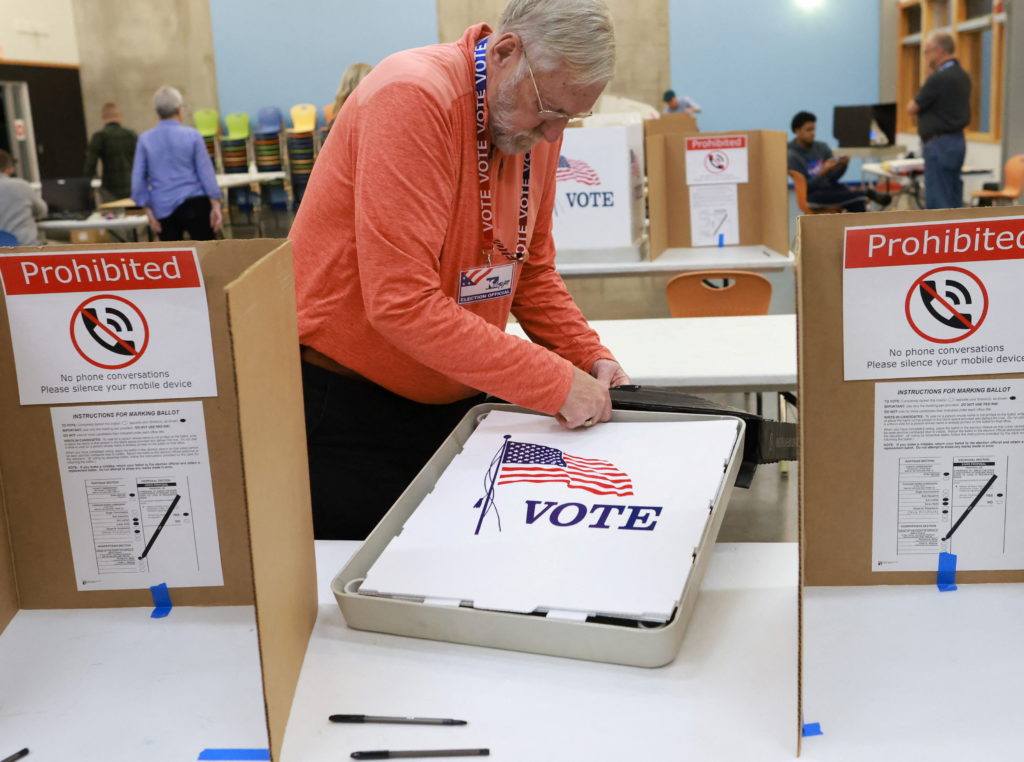
Michigan voters are heading to the polls today to participate in a highly contested Democratic primary for the U.S. Senate seat currently held by Gary Peters. This primary not only carries significant weight for the Democrats’ chances in maintaining control of the Senate but also signals the rising influence of the party’s progressive faction, along with the backing of prominent pro-Israel organizations.
Key Candidates and Endorsements
Among the primary contenders are U.S. Representative Haley Stevens and former Detroit public health official Abdul El-Sayed. Stevens is backed by much of the state’s political establishment, receiving endorsements from prominent figures such as Senator Gary Peters, Governor Gretchen Whitmer, and former House Speaker Nancy Pelosi. Her campaign has been bolstered by substantial financial support from outside groups, notably the United Democracy Project, which is affiliated with the American Israel Public Affairs Committee. This group has reportedly spent over $30 million since June to support Stevens.
Conversely, El-Sayed has garnered endorsements from notable progressives including Senators Bernie Sanders and Elizabeth Warren, as well as Representatives Alexandria Ocasio-Cortez and Rashida Tlaib. Despite Stevens having the support of the traditional Democratic establishment, El-Sayed has shown significant fundraising prowess, particularly in the early weeks of July, where he raised more than double what Stevens did.
The race has intensified following the withdrawal of State Senator Mallory McMorrow, who has yet to endorse either candidate. Her decision contributes to an interesting dynamic as both campaigns seek to appeal to her former supporters.
The winner of this primary is expected to face former Congressman Mike Rogers, who is unopposed for the Republican nomination. Rogers previously ran for a Senate seat but narrowly lost to Democrat Elissa Slotkin in 2024.
Wayne County, which is the most populated county in Michigan and includes Detroit, is crucial for Democratic primaries. Historically, it has shown strong support for establishment candidates, but the momentum of progressive candidates in previous elections suggests a potential shift in voter dynamics.
Voting concludes at 8 p.m. local time, with early results expected to trickle in shortly after polls close. Approximately 1 million ballots had already been cast ahead of today’s election, emphasizing the significance of early voting in Michigan’s electoral processes.
Why It Matters
The outcome of the Michigan Democratic primary could impact the balance of power in the Senate and may reflect broader trends within the Democratic Party, particularly regarding the ongoing tug-of-war between establishment and progressive factions. This primary also serves as a precursor to the critical midterm elections scheduled for 2026, making it a pivotal moment for both candidates and the parties involved.