




Russia’s growing aggression against NATO countries has become evident through multiple incidents, including missile strikes, sabotage plots, and increased military activity throughout Europe. Recent actions indicate a shift to more reckless strategies in Russia’s ongoing shadow war against European democracies.
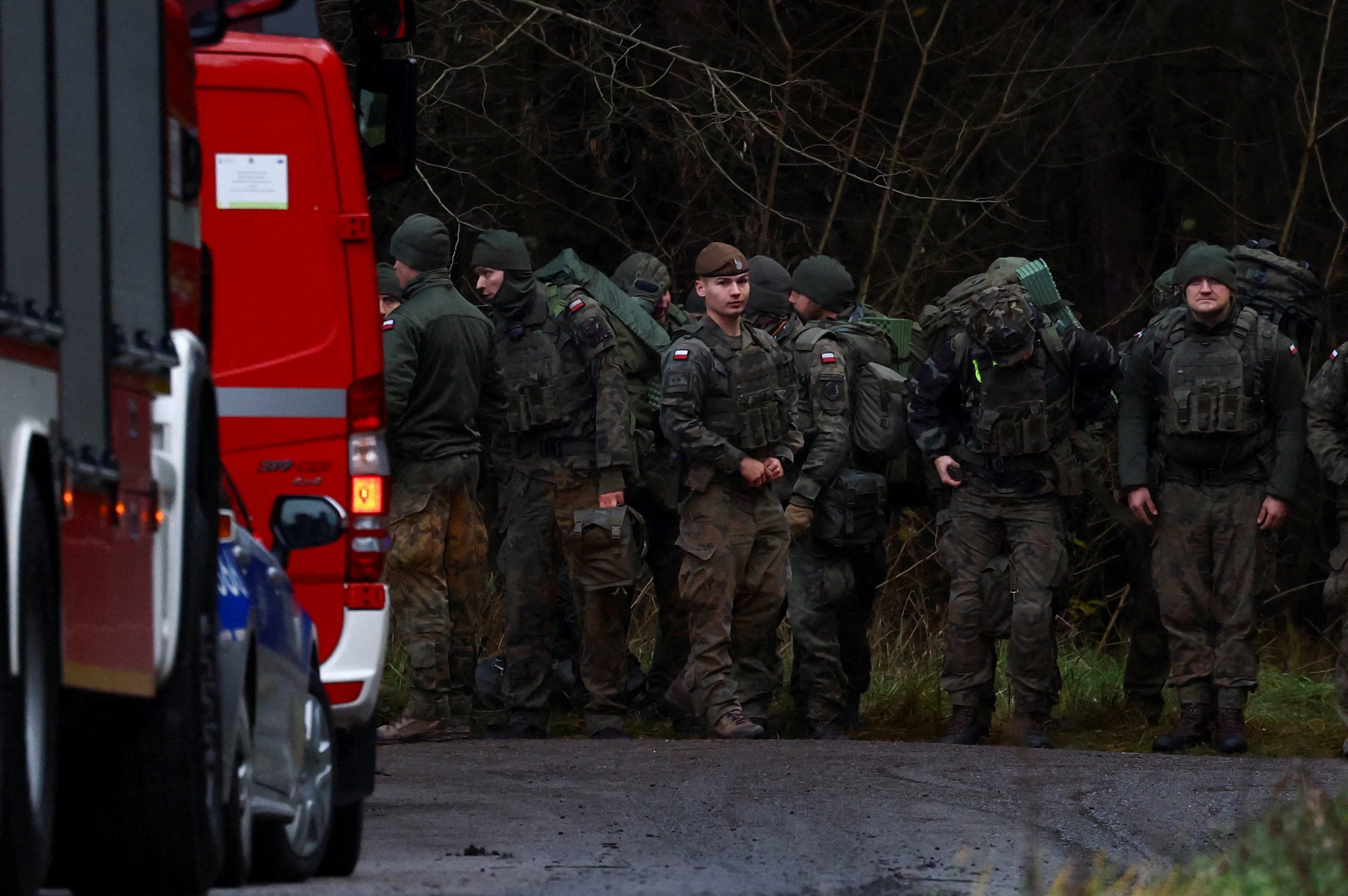
On November 20, three Russian Kh-101 cruise missiles struck near a NATO exercise in Poland, prompting NATO officials to deploy an airborne early warning aircraft to the region. This attack is part of a broader escalation that has raised concerns among NATO members about a potential response to Russian provocations.
In a separate incident on November 18, Polish officials announced they had thwarted a plot believed to be orchestrated by Russia, aimed at causing mass casualties near the border with Kaliningrad. An advisor to Poland’s defense minister highlighted the seriousness of the situation, stating that Russia is increasingly engaging in various aggressive tactics, escalating from airspace violations to sabotage attempts and cyber activities.
Just two days prior, on November 14, Estonia accused Russia of an attempted sabotage at a drone factory. In response, Estonia plans to close its mutual border with Russia for six months, starting December 1. The Kremlin reacted by warning that such actions might push the two countries closer to “open war.”
Security threats across Europe were further emphasized when Britain’s MI5 issued warnings on November 24 for arms manufacturers connected to Ukraine, advising them to remain vigilant against potential sabotage attacks. Security Minister Dan Jarvis remarked on recent sabotage attempts throughout Europe, underscoring the serious threats faced by critical infrastructure and defense sectors.
In addition to missile strikes and sabotage threats, intelligence reports have linked Russian agents to a series of hoax bomb threats targeting various flights across Europe earlier this month, affecting countries such as Ireland, Denmark, and Italy. European intelligence agencies have indicated that these threats bear the hallmarks of Russian involvement.
The situation continues to evolve, with a recent drone incursion into Moldovan airspace on November 23 adding to the ongoing concerns regarding Russian military activities in the region. As NATO countries assess their collective response, the potential for misunderstandings or miscalculations remains a key threat, as indicated by U.S. Secretary of State Marco Rubio, who acknowledged the risks of hybrid attacks escalating to direct conflict.
