




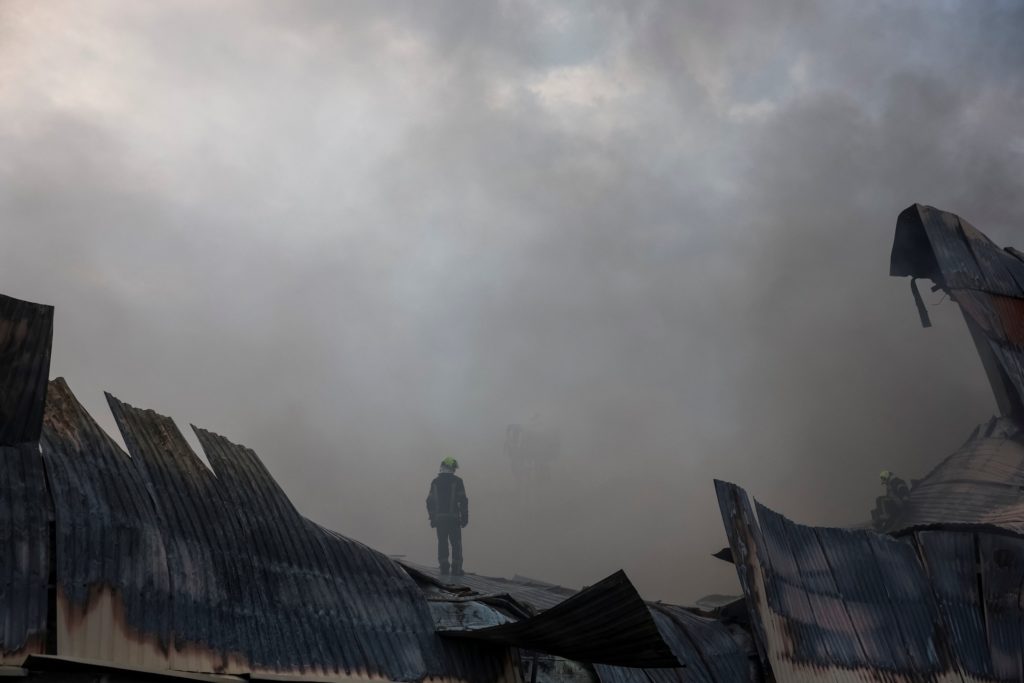
A significant Russian missile attack on Ukraine led to the deaths of nearly two dozen individuals overnight, underscoring the ongoing vulnerability of the country’s air defenses. This incident marks a continuation of frequent strikes that have characterized the summer months, as Russian forces seek to exploit a diminishing capacity in Ukraine’s defense capabilities.
Details of the Attack and Defence Challenges
The assault primarily focused on various locations, including Kyiv, where fires raged as emergency services worked diligently throughout the night. Russia claims it targeted military-related warehouses and infrastructure; however, Ukrainian President Volodymyr Zelenskyy contends that these sites bore no military significance. Among the casualties were the victims found on a train station platform in Kyiv, with reports indicating that at least 20 people were killed across the country, predominantly in the capital region.
Ukrainians have expressed ongoing distress over the continuous threat of missile strikes. One resident, speaking through an interpreter, described living in “constant fear,” highlighting the severe emotional toll of the conflict that has persisted for years.
In retaliation, Ukraine has initiated drone strikes against Russian properties, particularly targeting facilities associated with Wildberries, a major online retailer in Russia, which Ukraine accuses of supplying military support. This move is part of Ukraine’s broader strategy to counter Russian military capabilities.
President Zelenskyy addressed allies in Britain, voicing concerns over Russia’s escalating reliance on ballistic missile attacks and indicating no intention from Moscow to halt these operations. He pointed out the limitations within Ukraine’s air defense apparatus, noting that none of the missiles launched during this latest attack were intercepted. This vulnerability stems partly from a shortage of U.S.-made Patriot missile interceptors, critical to countering such threats.
Currently, the supply of Patriot missiles to Ukraine has been inadequate, with only a third of the interceptors provided in the previous year being delivered thus far. Discussions around potential technical support for Ukraine in building its own Patriot systems have also been contentious, with conflicting statements regarding the feasibility of such assistance.
Meanwhile, the Pentagon has reportedly faced challenges in maintaining its missile stockpiles due to extensive usage, raising further questions about the sustainability of military support to Ukraine.
Why It Matters
This recent missile attack and the ongoing discussions surrounding air defense technology reveal the strategic complexities facing Ukraine. As the conflict continues, the effectiveness of Ukraine’s air defenses and the nature of international military support will play critical roles in shaping the conflict’s future dynamics.
Original reporting:
Read the original source