




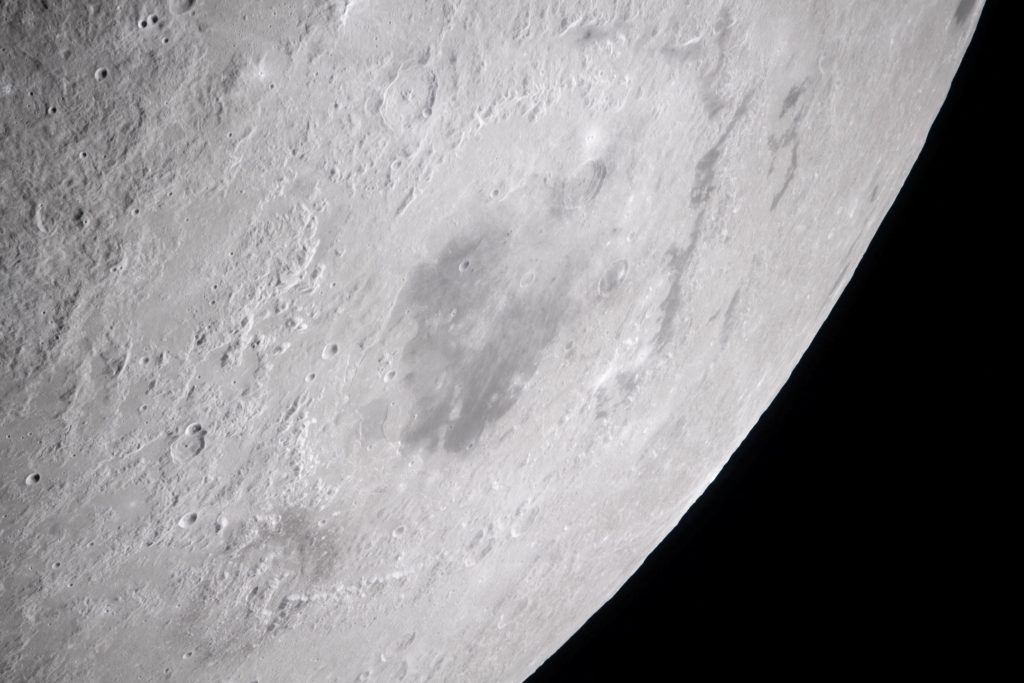
A four-ton upper stage of a SpaceX rocket is believed to have collided with the moon at an estimated speed of 5,400 mph. This piece of debris is a remnant of a rocket that was launched last year to deploy two lunar landers. According to SpaceX scientists, a combination of solar activity and gravitational forces directed the upper stage towards a collision with the lunar surface.
Scientific Observations and Concerns About Lunar Debris
Geoff Bennett, a journalist, discussed the incident alongside science correspondent Miles O’Brien. Bennett noted that scientists have expressed concerns regarding “lunar litter” caused by such space debris.
O’Brien explained that the upper stage of the Falcon 9 rocket was designated for the mission that included two commercial lunar landers and was launched in January 2025. The decision not to add additional fuel for a solar orbit ultimately led the upper stage on a path toward the moon.
Researchers had speculated that the impact would occur at the Einstein Crater on the moon’s Earth-facing side, creating a dust plume approximately 30 miles high. Such plumes are of significant interest to scientists as they provide valuable insights into the moon’s composition.
Initial analyses using spectrometry data indicated the presence of lithium and sodium in the debris cloud resulting from the impact. However, capturing visual images of the impact zone has proven challenging due to the brightness of the lunar surface.
O’Brien noted that NASA has previously conducted missions designed to impact the moon purposefully. One notable example occurred in 2009, when a spacecraft was intentionally crashed into the lunar surface, yielding valuable data, including the discovery of water ice.
Discussion also highlighted that many significant rocket stages have impacted the moon historically, contributing to scientific understanding of its surface. O’Brien underscored that examining ejected material allows scientists to glean information about the moon’s deeper layers, although the likelihood of finding substantial water ice at this new impact site remains uncertain.
Bennett raised concerns about the implications of increasing space debris, particularly given the growing frequency of space missions. O’Brien reiterated the pressing issue of space debris in low-Earth orbit, cautioning that as more lunar missions are planned, it is crucial to consider how to manage debris effectively in this new frontier.
As the space industry evolves, both the scientific value of lunar impacts and the need for responsible management of space debris continue to be at the forefront of discussions among scientists and mission planners.
Why It Matters
The intersection of lunar exploration and debris management raises critical questions about the sustainability of space activities. As agencies like NASA and companies like SpaceX prepare for future missions, addressing the issue of space debris is essential to ensure the long-term integrity of both the moon’s environment and orbital pathways used for exploration.
