




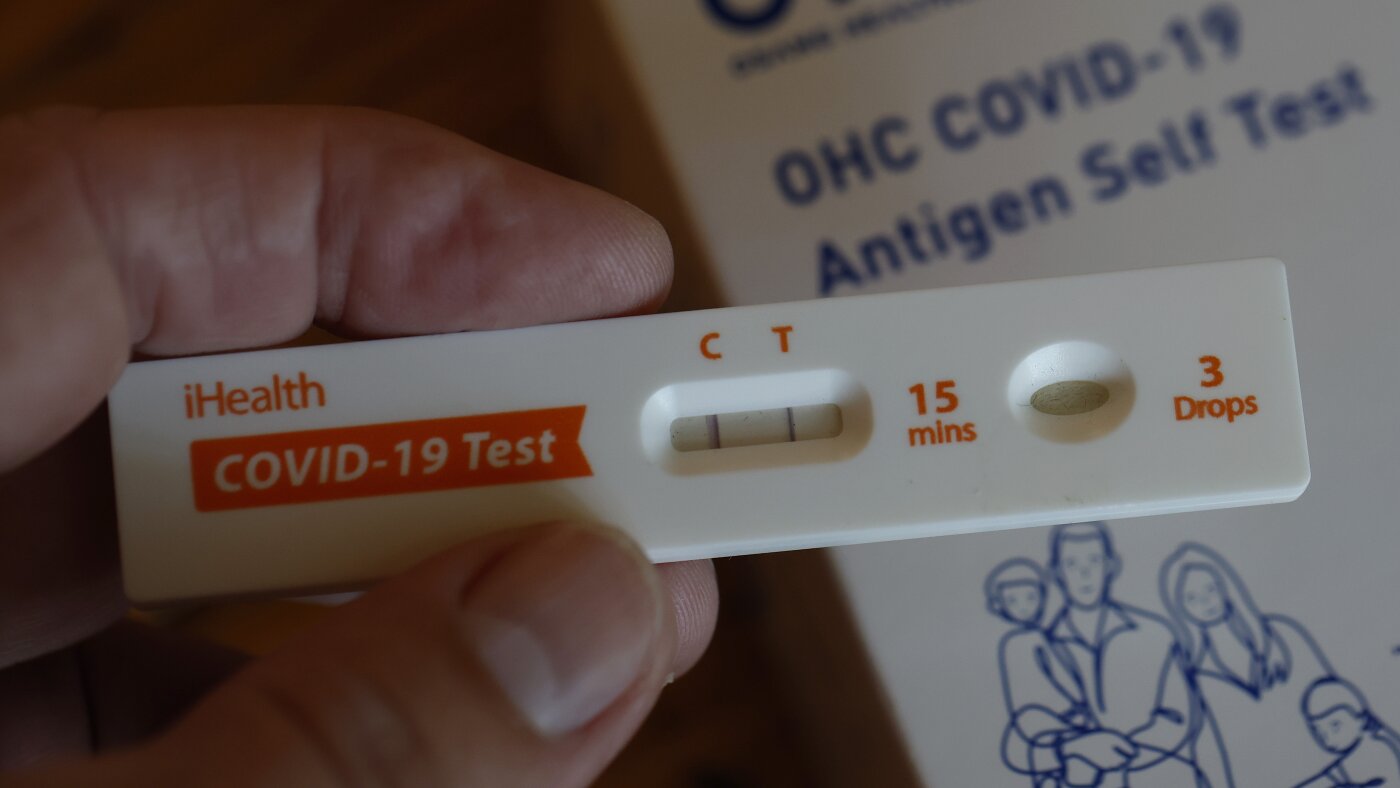
Public health officials have reported an increase in COVID-19 cases across the United States, marking the beginning of what is viewed as a summer surge. Experts emphasize that while the virus remains a concern, current case levels are relatively low compared to peaks seen in prior years.
Current COVID-19 Trends
Dr. John Brooks, an infectious disease doctor at Emory University, noted that the rising number of COVID-19 infections is being observed nationwide, particularly in the South and West regions, with some indicators emerging in the Northeast and Midwest as well. Despite this recent uptick, hospitalizations and deaths remain significantly lower than in previous surges.
Brooks pointed out that increasing herd immunity—due to past infections and vaccinations—is likely contributing to the milder nature of this year’s COVID-19 wave. “More people have had one or more infections that provide some immunity against the virus, combined with vaccinations, which offers substantial protection,” he explained.
Nonetheless, COVID-19 continues to pose health risks, particularly for vulnerable populations including older adults, infants, and immunocompromised individuals. Caitlin Rivers, an epidemiologist at Johns Hopkins University, highlighted the fact that COVID-19 can still lead to serious illness and complications for a number of individuals, underscoring the importance of vigilance.
Unlike seasonal influenza, which typically spikes in winter, COVID-19 exhibits a unique pattern, with surges occurring in both summer and winter months. Medical professionals remain uncertain about the underlying causes of this seasonal behavior.
In terms of preventive measures, Rivers mentioned that wearing masks in crowded areas, such as airports, remains a prudent step. She also encouraged individuals to stay informed about their vaccination status, as new vaccine formulations targeting the current strains will soon be available.
Amid ongoing transitions in public health guidance, some conflicting messages have emerged regarding COVID-19 vaccines. The Centers for Disease Control and Prevention (CDC) has not issued updated recommendations due to administrative challenges, yet major medical groups continue to advocate for vaccinations, stressing that insurers will cover these shots under existing programs.
Additionally, new treatments, including a drug known as Xocova, are being introduced which may offer protection against the virus shortly after exposure. Health officials see this as an important option for at-risk populations, particularly in healthcare settings.
Why It Matters: The current summer surge in COVID-19 cases highlights the ongoing challenges posed by the virus, even as vaccination efforts and increased immunity among the population may mitigate severe outcomes. Continuous public health advocacy and promotion of vaccination remain essential to protect vulnerable groups and manage potential spikes in cases.
