




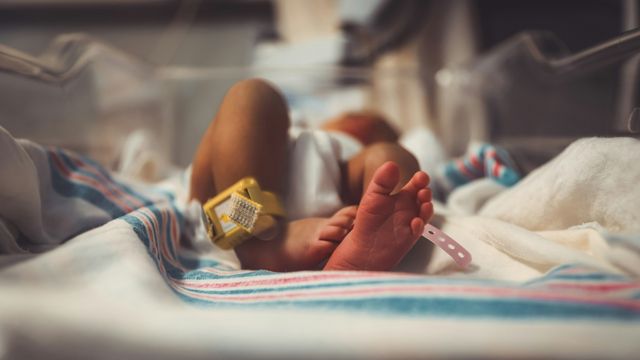
Recent research has identified a potential link between urinary tract infections (UTIs) during pregnancy and the risk of preterm birth, which is a significant contributor to infant mortality. This connection is not new; however, the biological mechanisms that underpin this association have been less understood until now.
New Insights into the Maternal Immune Response
A study published in the journal Science Translational Medicine indicates that the maternal immune response to infection may play a critical role in preterm labor, rather than the bacteria responsible for the UTI itself. Dr. Kathryn A. Patras, an associate professor at Baylor College of Medicine and the corresponding author of the study, emphasized the importance of understanding these immune mechanisms. This research aims to identify how some pregnancies are more susceptible to complications related to infections than others.
Preterm birth occurs in about 25-40% of cases associated with maternal infections, with UTIs recognized as a contributing factor. Early laboratory work struggled to clarify whether bacteria from a UTI could spread beyond the bladder to the uterus, prompting this new investigation using a specialized mouse model.
In their investigation, researchers discovered that the bacteria linked to UTIs typically do not migrate to the uterus. Instead, immune signals from the bladder communicate with the uterus via immune cells in lymph nodes, coordinating tissue responses. This finding enhances understanding of how preterm birth may be induced following a UTI, highlighting the importance of the immune response rather than direct bacterial invasion.
The mouse model revealed that not all infected subjects experienced preterm labor, even with similar bacterial loads. This observation points to individual immune responses as potentially critical factors determining the outcome of pregnancy when faced with a UTI. Mice that went into preterm labor exhibited elevated inflammatory immune cell activity, whereas those that maintained their pregnancies showed higher levels of IL-10, an immune-regulatory cytokine thought to protect pregnancy during infections.
Moreover, urine samples from pregnant women indicated distinct cytokine patterns that might predict birth outcomes, independent of bacterial presence. This finding suggests that specific immune markers could help in identifying at-risk pregnancies, warranting further exploration into the role of immune signaling in relation to preterm birth prevention.
Why It Matters
The link between UTIs and preterm birth highlights the necessity for further research into maternal health during pregnancy. By understanding the immune mechanisms involved, healthcare providers might develop predictive biomarkers and preventative strategies that could mitigate the risks associated with UTIs in pregnant patients, ultimately improving maternal and fetal health outcomes.
