




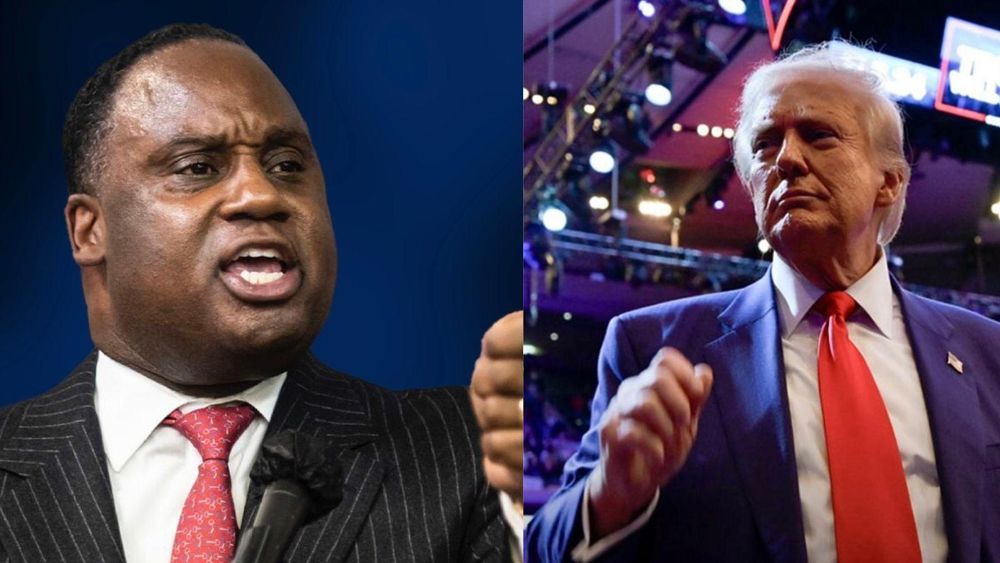
U.S. Congressman Jonathan Jackson has urged President Donald Trump to reverse plans to remove South Africa from the African Growth and Opportunity Act (AGOA), warning that such a move could harm decades of economic cooperation between the two countries. Jackson expressed his views in a post on X, stating that U.S. foreign policy should prioritize diplomacy, economic collaboration, and respect for Africa’s role in global affairs.
Trump’s announcement to terminate South Africa’s participation in AGOA is set to take effect on January 1, 2027. The administration cited concerns over South Africa’s practices that allegedly do not align with the trade program’s eligibility criteria. Specific issues raised include ongoing barriers to U.S. trade and investment, as well as unaddressed corruption and foreign policy actions that may undermine U.S. interests.
The U.S. Trade Representative, Jamieson Greer, issued the formal termination notice on November 2, 2026, initiating a mandatory 60-day notification period. This timeline allows South Africa until late December to negotiate or appeal the decision before losing duty-free trade benefits.
In reaction, South Africa’s Minister of Trade, Industry and Competition, Parks Tau, described the decision as “unfortunate” but underscored that it does not signify the end of bilateral trade relations. Jackson characterized the planned exclusion as a significant setback for U.S.-Africa relations, arguing it could isolate an important economic partner instead of fostering shared growth.
“AGOA was created to enhance economic growth and trade, and South Africa plays a crucial role as a major U.S. trading partner,” Jackson stated. He warned that the withdrawal of trade benefits could adversely impact workers, farmers, and businesses in both nations, potentially allowing other global powers to increase their influence in Africa.
Jackson is not alone in his opposition to the decision; he joins fellow Democrats, including Congressman Richard Neal, Gregory Meeks, and Senator Jeanne Shaheen, who have expressed concerns about the negative effects of this move on American economic interests and stability. Neal referred to the decision as driven by “grievance” rather than sound economic reasoning, demanding transparency and a path to restore South Africa’s benefits.
Meeks and Shaheen emphasized that the decision prioritizes political spectacle over meaningful diplomacy and called for further negotiations with South Africa during the notice period. Jackson, in his remarks, emphasized that American foreign policy towards Africa should be rooted in mutual respect and cooperative dialogue.
Political analyst Professor Theo Neetling noted that while Congress oversees AGOA’s long-term structure, the executive branch ultimately controls individual country eligibility decisions. He advised South Africa to engage diplomatically with the Trump administration while also seeking support within Congress, advocating for a balanced approach that preserves their independent foreign policy. Canadian economist Douglas Mason expressed skepticism regarding the Democrats’ ability to influence AGOA’s future unless South Africa can negotiate concessions beneficial to the U.S.
