




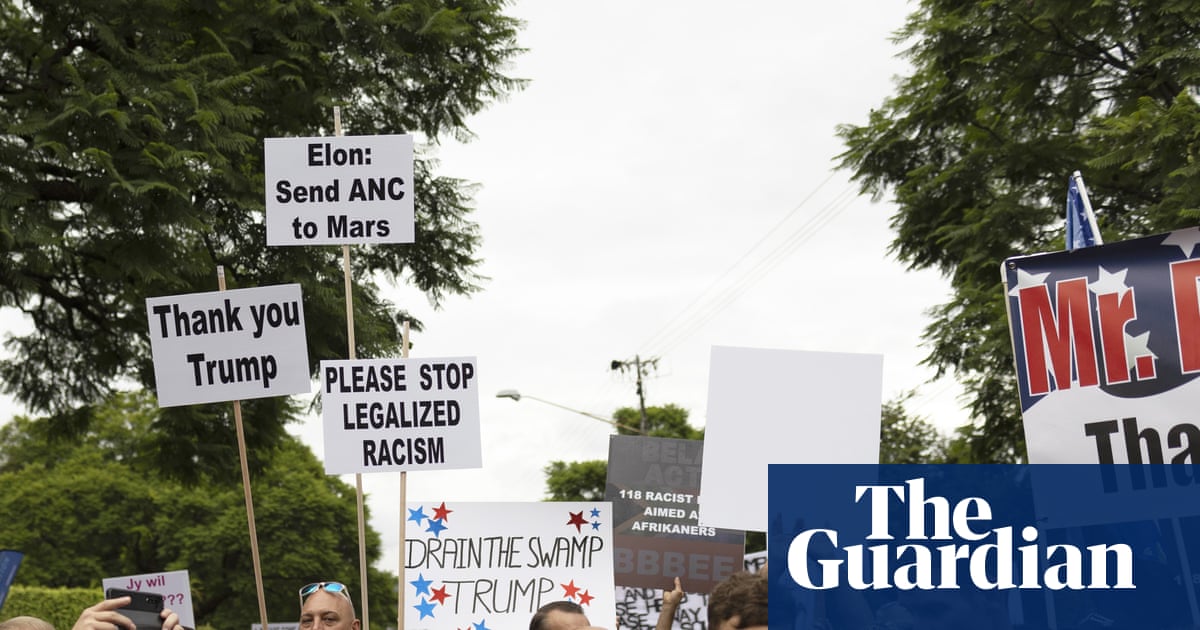
The United States has introduced visa restrictions targeting certain South African officials amid ongoing claims of racial discrimination against the Afrikaner minority. This action comes from the Trump administration, which has consistently argued that the South African government discriminates against its white minority population.
Visa Restrictions and Political Context
The announcement of these visa restrictions did not disclose specific individuals affected. Nevertheless, the administration has framed the policy as a response to what it describes as “race-based discrimination” that allegedly incites violence and supports land confiscation without reimbursement.
Marco Rubio, the US Secretary of State, commented on the situation, stating that the current administration considers the South African government’s approach to racial issues detrimental to the economy and society. He asserted that the visa restrictions are aimed at “foreign nationals who enact or enable policies that promote race-based discrimination.”
As part of a broader strategy, the US has also limited aid to South Africa and excluded it from this year’s G20 summit. The government has established a refugee program for Afrikaners and other racial minorities seeking resettlement. The US ambassador to South Africa, Leo Brent Bozell III, emphasized this new policy as just the beginning of a series of actions reflecting America’s commitment to addressing these perceived injustices. He stated that the era of mere dialogue has ended.
In response, South Africa’s foreign ministry criticized the US’s characterization of its policies. Spokesperson Chrispin Phiri argued that the announcement misrepresents the South African government’s efforts to rectify historical injustices, describing it as a matter of national sovereignty and the right to implement laws addressing past grievances.
The historical context is significant; during apartheid, Afrikaners maintained a ruling status, which led to substantial socioeconomic disparities. Since the end of apartheid in 1994, successive South African governments have attempted to redress racial inequalities through policies intended to promote Black economic empowerment and land redistribution.
Despite these efforts, disparity remains evident, with reports suggesting that white South Africans hold significantly more wealth than their Black counterparts. Some members of the white community assert that they face discrimination, a view that is supported by certain factions in US conservative circles.
The new restrictions also coincide with recent legislative measures in South Africa that allow for land expropriation without compensation under specific conditions. Critics argue that such laws contribute to tensions and allegations of racial discrimination against minorities.
Political rhetoric in South Africa has further fueled these claims, particularly due to recent statements from opposition leaders. However, the ruling African National Congress has distanced itself from such comments, insisting that they do not endorse any form of hate speech.
As the situation develops, the international community will likely scrutinize the implications of these visa restrictions on US-South African relations and the broader racial dynamics within South Africa.
Why It Matters: The US visa restrictions signify a significant shift in diplomatic relations between the two countries, highlighting underlying racial tensions and differing perspectives on governance and socio-economic equity in South Africa. The ramifications of these measures may influence bilateral cooperation and the ongoing discourse surrounding racial policies in South Africa.
