




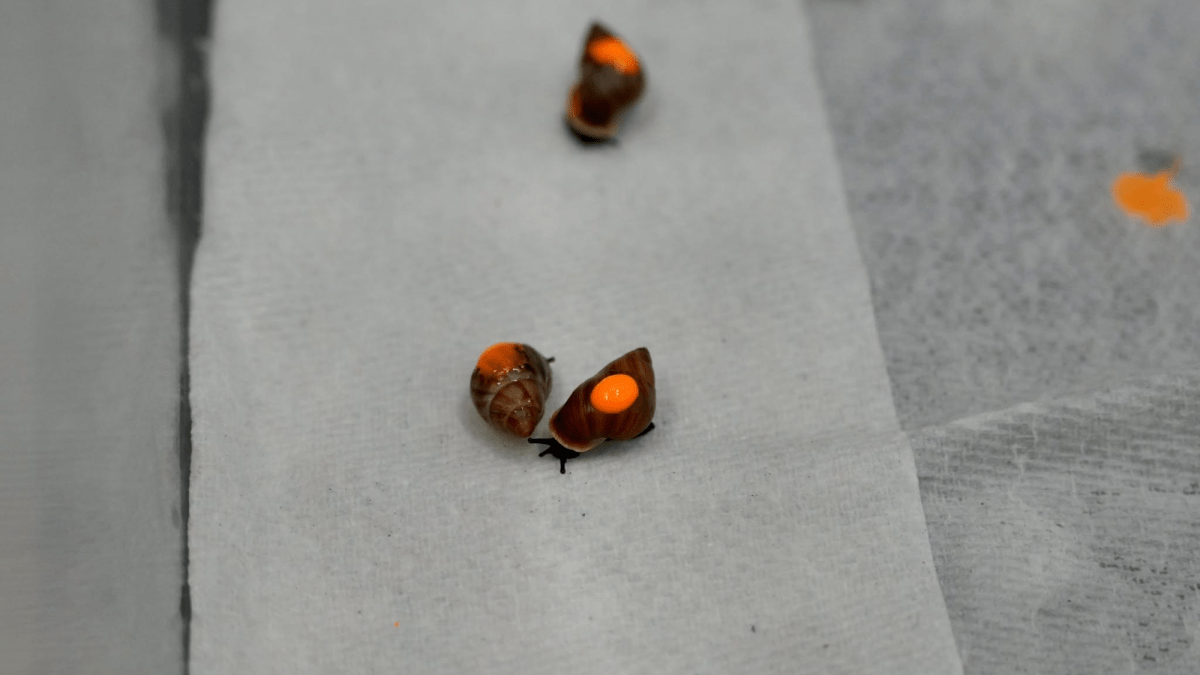
In a significant conservation effort, the St. Louis Zoo recently received 500 adult Partula snails delivered overnight from the Detroit Zoo. These snails are part of a project aimed at reestablishing wild populations of the species in their native Tahiti.
Return to Tahiti
The shipment of these small, tree-dwelling snails is a crucial step in an ongoing international recovery program that has seen the return of over 17,000 Partula snails to their original habitats. Currently, the 500 snails from the Detroit Zoo are at the St. Louis Zoo, where they will be nourished with a special diet to prepare them for their release into the wild.
“The snails are sent ‘priority overnight’ via either FedEx or UPS, ensuring they arrive safely,” stated Mark Vassallo, Curator of Amphibians at the Detroit Zoological Society. He emphasized the careful packing techniques used, including insulating materials and temperature stabilization packs, to maintain the snails’ health during transit.
Historically, the Partula snails have suffered drastic population declines due to the introduction of the predatory rosy wolf snail, which disrupted their ecosystem in French Polynesia. Each snail now features an orange dot made of animal-safe paint that glows under ultraviolet light, which will help conservationists monitor their progress after release.
Since 2001, the Detroit Zoo has been actively breeding Partula snails, contributing to efforts that have successfully returned eleven species once thought extinct in the wild. In addition to the current shipment, the Audubon Nature Institute in New Orleans also recently sent 200 Partula snails to Tahiti.
Although some Partula species are already considered extinct in the wild, success for conservationists means establishing a self-sustaining population capable of reproducing in a protected habitat. Observations of wild-born offspring from released snails have provided a hopeful outlook on the success of these conservation efforts.
As part of a broader initiative focused on biodiversity, this project highlights the global commitment to preserving unique species facing existential threats due to habitat loss and invasive species. With the reintroduction of these snails, stakeholders hope to not only restore a vital component of Tahiti’s ecosystem but also to set a precedent for future conservation efforts.
Why It Matters: This initiative plays a vital role in biodiversity conservation, reflecting international efforts to revitalize ecosystems and combat species loss. The reintroduction of Partula snails serves as a reminder of the delicate balance in natural habitats and the impact human actions can have on them.
